

In recent years, extra-virgin olive oil has gained a reputation as a staple of healthy diets, often touted for its numerous health benefits. But with an abundance of conflicting opinions and scientific research, how do we discern fact from fiction? This article delves into the nutritional profile of extra-virgin olive oil, exploring its potential health benefits, examining the science behind its acclaimed properties, and addressing concerns regarding quality and authenticity. join us as we investigate whether extra-virgin olive oil deserves its place as a true health food in our kitchens.
Is Extra-Virgin Olive Oil a Nutritional Powerhouse for Heart Health
Recent research has increasingly highlighted the benefits of incorporating extra-virgin olive oil into a heart-healthy diet. Recognized for its rich composition of monounsaturated fats, this oil not only promotes healthy cholesterol levels but may also reduce the risk of cardiovascular diseases. Studies suggest that the antioxidants and anti-inflammatory properties found in extra-virgin olive oil play a notable role in maintaining heart health. Key components such as oleic acid and polyphenols contribute to the oil’s ability to combat oxidative stress and inflammation, two critical factors in heart disease growth.
The Mediterranean diet,which includes a generous portion of extra-virgin olive oil,is often linked to lower rates of heart disease compared to other dietary patterns. individuals following this diet may experience improved endothelial function and lower blood pressure levels. To maximize the heart-healthy benefits of extra-virgin olive oil, consider incorporating it into your meals in the following ways:
- Drizzle over salads as a dressing
- Use in cooking to replace butter or margarine
- Add to dips and sauces for flavor
By prioritizing high-quality extra-virgin olive oil, consumers can contribute positively to their overall cardiovascular health.
Exploring the Antioxidant properties of Extra-Virgin Olive Oil
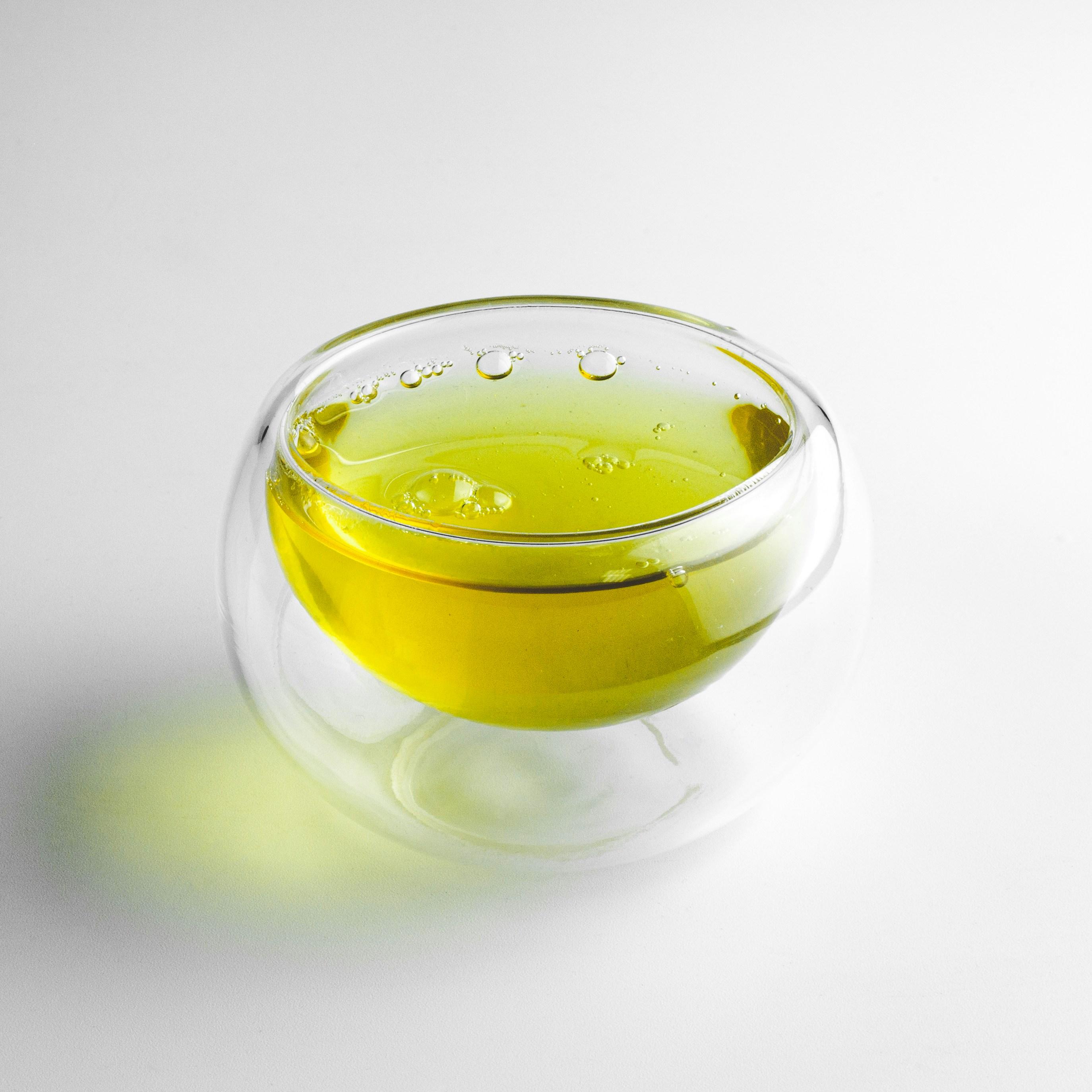
Extra-virgin olive oil (EVOO) is often heralded for its numerous health benefits, and much of this acclaim is attributed to its rich composition of antioxidants. These natural compounds play a significant role in neutralizing free radicals,which can cause oxidative stress and lead to chronic diseases. Among the key antioxidants found in EVOO are:
- Hydroxytyrosol: Known for its potent ability to scavenge free radicals.
- Oleocanthal: This compound has anti-inflammatory properties similar to those of ibuprofen.
- Vitamin E: An essential nutrient that protects cells from oxidative damage.
research suggests that the high levels of these antioxidants contribute to the longevity of those who incorporate EVOO into their diets. According to a recent study,individuals who consume EVOO daily have shown a marked decrease in the incidence of heart disease and certain types of cancer. The following table summarizes some of the key health benefits associated with the antioxidant properties of extra-virgin olive oil:
| Health Benefit | Description |
|---|---|
| Heart Health | Helps reduce bad cholesterol levels, lowering the risk of heart disease. |
| Anti-Inflammatory | Contains compounds that decrease inflammation throughout the body. |
| Reduced Cancer Risk | Antioxidants may protect against cell mutations that lead to cancer. |

The Role of Extra-Virgin Olive Oil in mediterranean Diets and Longevity
Extra-virgin olive oil (EVOO) is often hailed as a cornerstone of the Mediterranean diet, a dietary pattern linked to longevity and improved health outcomes. Research indicates that the high levels of monounsaturated fats, especially oleic acid, found in EVOO can positively influence heart health by reducing bad cholesterol levels and maintaining good cholesterol levels. Moreover, EVOO is rich in antioxidants, such as vitamin E and polyphenols, which help combat oxidative stress and inflammation—two key factors associated with various chronic diseases. Some studies suggest that these properties contribute to lower risks of diseases like heart disease, cancer, and Alzheimer’s, enhancing both quality and duration of life for those adhering to this dietary practice.
In addition to its health benefits, the versatility of extra-virgin olive oil makes it a favored choice in Mediterranean cuisine. it can be used in a variety of dishes, from drizzling over fresh vegetables to enriching pasta sauces and marinades. Health experts recommend incorporating EVOO into daily meals through methods such as:
- Using it as a dressing for salads and grains
- Drizzling over roasted or grilled vegetables
- Incorporating it into dips like hummus or tzatziki
Furthermore, understanding the importance of quality is crucial; consumers should look for reputable brands that offer genuine extra-virgin olive oil, as lower-quality oils can lack the beneficial properties that contribute to health improvements. extra-virgin olive oil is not just a flavorful addition to meals but a potent contributor to a healthier, longer life.
Practical Tips for Choosing and Using Extra-Virgin Olive Oil in Daily Cooking
When it comes to incorporating extra-virgin olive oil into your daily cooking, selecting the right oil and using it effectively are paramount to unlock its full potential. Here are some practical tips to ensure you make the best choice:
- Check for freshness: Always look for a harvest date on the label and aim for oils that are less than a year old.
- Look for quality seals: Certifications like PDO or PGI indicate adherence to strict quality standards.
- Choose dark bottles: Olive oil should be stored in dark glass or tins to protect it from light.
- Taste it: A good extra-virgin olive oil should have a robust flavor profile with fruity, peppery, and slightly bitter notes.
Utilizing extra-virgin olive oil in your cooking can significantly enhance flavor and health benefits.Here are some effective ways to incorporate it:
- Use for dressings: Whisk it with vinegar or lemon juice for a flavorful salad dressing.
- Finish dishes: Drizzle over roasted vegetables or pasta just before serving to add an extra layer of taste.
- Low to medium heat: Use it for sautéing,but avoid high heat to preserve its nutrients.
- Pair with foods: Works perfectly with bread, seafood, and Mediterranean dishes for an authentic touch.
In Summary
As the debate over the health benefits of extra-virgin olive oil continues, it becomes increasingly clear that the quality of the oil and its place within a balanced diet are crucial factors. While studies highlight its potential cardiovascular benefits and antioxidant properties, consumers must remain vigilant about sourcing high-quality oils to truly harness these advantages.As the market grows, so too does the importance of understanding what goes into our food. Only by staying informed can we make choices that not only boost our culinary experiences but also contribute to our overall health. Whether you are a seasoned chef or a health-conscious individual, embracing extra-virgin olive oil in moderation may indeed be a step toward a healthier lifestyle. As research evolves, keeping an eye on the latest findings will be essential for anyone looking to incorporate this staple into their diet responsibly.


