

Introduction:
In a shocking revelation that casts a shadow over disaster relief efforts, recent investigations have unveiled that rogue FEMA employees allegedly misappropriated $59 million intended for housing Hurricane Helene victims to accommodate undocumented immigrants in luxury hotels across New York city. The misuse of these funds not only raises serious ethical concerns but also prompts urgent questions about oversight and accountability within federal agencies tasked with disaster management. As lawmakers and the public seek answers, this scandal threatens to undermine trust in FEMA and highlight systemic failures in handling crisis situations. The ramifications of this situation extend beyond fiscal irresponsibility, straining relationships between governmental bodies and the communities they serve.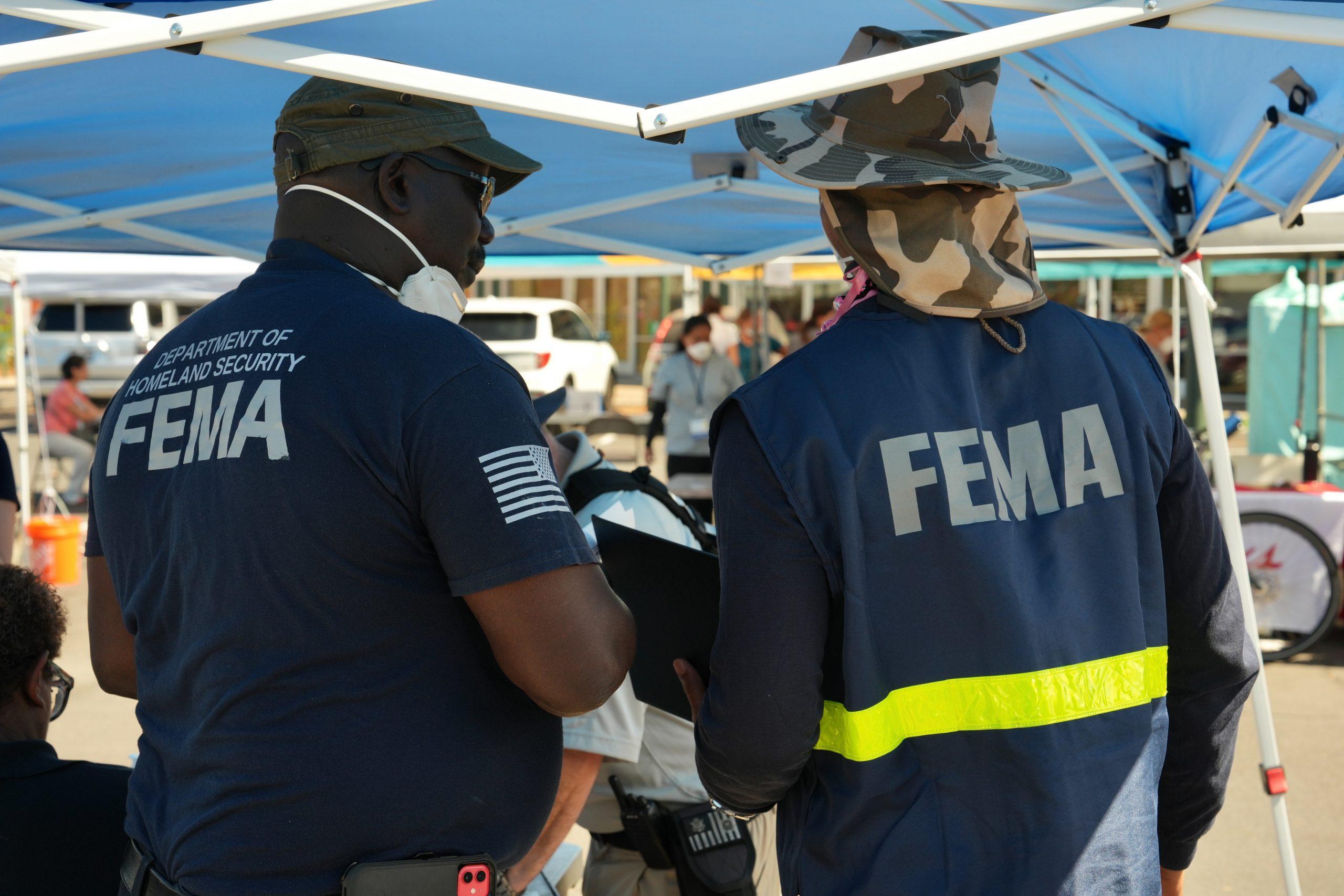
FEMA Misallocation of Funds Raises Questions About Oversight and Accountability
The recent revelation regarding FEMA’s alleged misallocation of $59 million has sparked widespread controversy and raised urgent questions about the agency’s oversight and accountability practices. Reports indicate that this significant sum was improperly spent on housing undocumented immigrants in high-end hotels across New York City, leading many to call for a thorough investigation into the actions of a select group of employees. Critics are demanding transparency, arguing that such expenditures divert vital disaster relief funds meant for American citizens affected by natural disasters, such as Hurricane Helene.
As details continue to unfold, key stakeholders are voicing concerns about systemic issues within FEMA that may have allowed this mismanagement to occur unchecked. Among the questions being posed are:
- What specific guidelines does FEMA have in place concerning fund allocation for disaster relief?
- How can oversight mechanisms be strengthened to prevent similar occurrences in the future?
- What steps will be taken to hold the responsible parties accountable?
In response to these allegations,FEMA has stated that they are conducting an internal review and will cooperate with any external investigations. Though, many remain skeptical, noting that past issues with fund mismanagement have frequently enough resulted in minimal consequences for individuals involved. Without clear changes and rigorous scrutiny, the public’s trust in FEMA’s ability to manage funds effectively during crises may continue to erode, underscoring the necessity for reform in federal emergency management practices.
Investigating the Impact of Luxury Hotel Housing on NYC’s Vulnerable Populations
The recent disclosure regarding FEMA’s alleged mismanagement of funds has raised notable concerns about the impact of high-end hotel accommodations on vulnerable populations in New York City. In a city where affordable housing is already a critical issue, the use of luxury hotels to house individuals under FEMA’s temporary assistance program seems not only controversial but potentially damaging. It truly seems the resources intended to support those in urgent need, notably following disaster events like Hurricane Helene, are being redirected to establishments that cater primarily to affluent tourists.this raises questions about the priorities of government agencies during crises.
Many advocates for the homeless and those who support low-income families argue that this approach is fundamentally flawed. By prioritizing luxury accommodations, the system potentially alienates those who are most in need of immediate housing solutions. Supporters of equitable housing policies argue that:
- Luxury hotel spaces could be better utilized for low-income families facing displacement.
- Funds allocated for emergency housing should focus on rebuilding community resources rather than subsidizing upscale establishments.
- The long-term effects of such decisions can deepen socioeconomic divides and perpetuate cycles of poverty.
Critics have called for accountability from FEMA to ensure that future allocations directly benefit those impacted by disasters. As investigations continue, it remains essential to consider alternative solutions that focus on sustainable housing. For instance, strategies may include reallocating funds to enhance existing shelters or develop new permanent housing options. Evaluating the effectiveness and ethics of FEMA’s current policies will not only clarify the misuse of funds but could also inform better practices in disaster response going forward.

Recommendations for Enhanced Transparency and Reform in Disaster Relief Funding
in light of recent events surrounding the misuse of FEMA funds, there is a pressing need for enhanced transparency in disaster relief financing. Stakeholders must consider implementing clearer guidelines that dictate the allocation and oversight of disaster relief funding. By establishing transparent protocols and ensuring that all spending is publicly documented and accessible, governmental agencies can foster trust among taxpayers and disaster survivors alike. This can be achieved through:
- Detailed spending reports: Regular updates that break down expenditures, ensuring public oversight.
- Autonomous audits: Engaging third-party auditors to evaluate fund usage can help identify areas of concern promptly.
- Public disclosures: All funding decisions should be made accessible through a centralized online platform.
Reforming existing disaster relief processes to prioritize accountability is crucial. The integration of checks and balances within FEMA and similar organizations can mitigate the risk of misuse. Establishing a dedicated oversight committee could help enforce compliance with set guidelines, directly addressing potential lapses in judgment by employees. Recommendations for this oversight include:
- Real-time tracking systems: Utilize technology to monitor fund allocation dynamically.
- Whistleblower protections: Ensure that employees can report misconduct without fear of retaliation.
- Mandatory training: Implement educational programs focused on ethical financial practices for all relevant personnel.
In addition to internal reforms, there should be a collaborative approach with community organizations and local governments to better address the needs of affected populations. Engaging with diverse stakeholders ensures that relief efforts are tailored to the unique demands of each disaster scenario. This could involve:
- Community consultations: Regular meetings between FEMA officials and local representatives to discuss expectations and experiences.
- Feedback mechanisms: Establishing channels for recipients of disaster aid to provide feedback on thier experiences, improving future responses.
- Financial literacy initiatives: Empowering communities to better understand available resources and navigate the disaster relief landscape effectively.
Final Thoughts
In light of the controversy surrounding the use of FEMA funds during Hurricane Helene, questions remain about the accountability of federal employees tasked with disaster response. The decision to allocate $59 million toward housing undocumented immigrants in luxury hotels has sparked outrage among taxpayers who are demanding transparency and an investigation into potential misconduct. As officials scramble to address these claims,the broader implications of this situation raise critical concerns about resource management in times of crisis. Stakeholders are calling for a thorough review of FEMA’s policies and oversight mechanisms to ensure that disaster relief funds are used appropriately and ethically in the future. As the investigation unfolds, the public will be watching closely for answers and accountability in the wake of this troubling revelation.