

Behind Bars and Beyond: The Complex Bond of Cellmates
In the often-bleak world of incarceration, where solitude can feel like a suffocating embrace, the relationships formed within the confines of prison walls reveal a poignant human experience. The animated GIF depicting two cellmates—each expressing a range of emotions as they navigate the dynamics of shared confinement—sparks curiosity about the complexities of these relationships. More than just a whimsical portrayal, it invites us to explore the psychological and social dimensions of cellmate bonds: the camaraderie, the conflicts, and the unexpected alliances that can emerge in the unlikeliest of settings. As we delve into the lives of those who share not only their cells but also their stories, we uncover a tapestry woven with resilience, empathy, and the enduring search for connection in a world that often feels absent of freedom.
The Unlikely Bonds of Confinement: Examining the Dynamics of Jailhouse Relationships
Jailhouse relationships frequently enough blossom in the most unexpected of circumstances, revealing a complex web of human connection that thrives even within the confines of prison walls. These bonds are shaped by the unique pressures that incarceration imposes, creating an environment where isolation, vulnerability, and mutual reliance lead to deep emotional ties. In these challenging settings,individuals discover common ground,frequently enough forged through shared experiences of hardship and resilience. Notably, the dynamics of these relationships can vary significantly:
- Friendships: Often built on shared interests or backgrounds, providing emotional support through difficult times.
- Romantic relationships: Some inmates form love connections, defying societal norms and expectations.
- Co-dependency: The need for emotional attachments can lead to unhealthy dynamics where one individual supports the other excessively.
These interactions can serve as both lifelines and sources of turmoil, mapping a complex landscape of camaraderie and conflict. As a notable example, many inmates engage in creative expression, utilizing art and writing as a means of connecting with one another. This engagement not only fosters bonds but also becomes a vehicle for healing and self-finding. additionally, studies have indicated that inmates who maintain social connections are more likely to experience positive reintegration post-release.
| Type of Relationship | Description | Impact |
|---|---|---|
| Friendships | Supportive connections among inmates. | Emotional stability and collaboration. |
| romantic Bonds | Beyond familial or platonic ties, can offer profound attachments. | Varied outcomes; can lead to heartache or growth. |
| Mentorship | Older or more experienced inmates guide others. | Personal development and skill-building. |
Such intricate interplay of relationships underscores a profound truth: even in the darkest of places, the human spirit inherently seeks connection, transforming confinement into an arena of unexpected bonds. to explore more about the profound impacts of these interactions, visit this link.
From Isolation to Connection: Understanding the Psychological Impact of Cell Mates on Inmate Well-Being
In the often stark environment of correctional facilities, the role of cell mates transcends mere cohabitation; it becomes a critical element in shaping an inmate’s psychological landscape. The dynamics between cell mates can foster both supportive bonds and toxic rivalries, ultimately affecting inmates’ mental health and wellbeing. Studies reveal that positive interactions can lead to various beneficial outcomes, such as:
- Reduced feelings of loneliness: Companionship can diminish isolation, making time in confinement more bearable.
- Enhanced coping strategies: Cell mates can share experiences,tips,and emotional support that help navigate the challenges of incarceration.
- Improved emotional regulation: The presence of a trusted cell mate can help inmates manage their emotions more effectively,reducing instances of aggression or anxiety.
Conversely, a negative relationship can exacerbate stress and lead to conflicts, wich may manifest as:
- Increased anxiety and paranoia: A unfriendly environment can escalate feelings of fear and distrust.
- Heightened aggression: Tensions can lead to volatile interactions, contributing to a cycle of violence.
- Social withdrawal: Inmates may isolate themselves further, perpetuating a sense of despair.
Understanding these dynamics is crucial for correctional institutions; promoting positive cell mate relationships can potentially enhance rehabilitation efforts, leading to better outcomes for inmates both during and after their confinement. 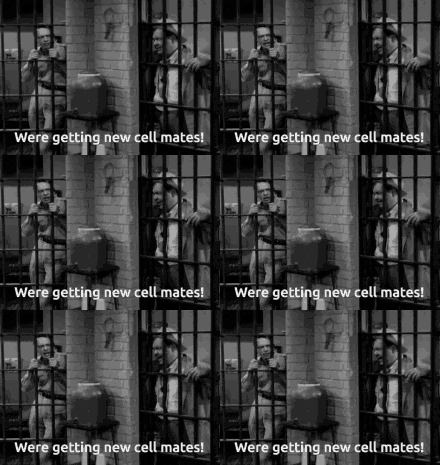
Closing Remarks
As we reflect on the vivid imagery captured in the now-iconic GIF of two cell-mates in jail, it’s clear that this short loop transcends entertainment to touch upon deeper themes of companionship, resilience, and the human experience within the confines of incarceration. It artfully encapsulates moments of camaraderie and quite rebellion, inviting viewers to consider the complexities of relationships forged in adversity.In a world increasingly marked by digital expression, this animated moment serves as a striking reminder of the power of visual storytelling. Whether it elicits laughter, empathy, or introspection, the GIF continues to resonate, sparking discussions about freedom, connection, and the psychological landscape of imprisonment.
As we close this exploration, remember that every pixel holds a story—one that invites us to look beyond the surface, engage with the emotions it stirs, and consider the narratives of those who navigate life’s challenges, often in the most unexpected places. Let this be an encouragement to delve deeper into the stories that surround us, recognizing the profound connections that exist even in the most unlikely of circumstances. Get Started With Nostr

