

Sure! Here’s an informal yet informative introduction for your article:
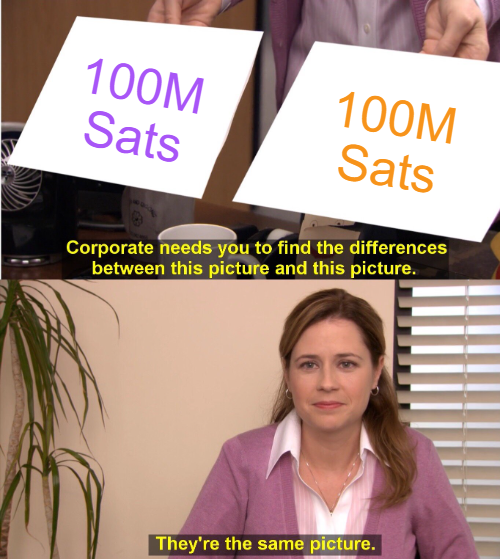
Ever stumbled upon an image that stops you in your tracks, making you think, “Wow, that’s interesting!”? That’s exactly what we’ll be diving into today! The image in question, which you can find at https://i.nostr.build/F02wcOQgWDwCkhYf.png, is more than just a visually striking piece; it opens the door to a deeper conversation about its context, meaning, and the artist behind it. Whether you’re an art lover, a curious observer, or just someone looking to expand your horizons, this article will explore all the intriguing facets of the image. So, grab your favorite snack, get comfy, and let’s unpack what makes this image so captivating!
—
Feel free to adjust any parts to match your vision!
Understanding the Image: Exploring Key Visual Elements and Themes
When we talk about visual storytelling, certain elements come together to form a cohesive narrative that resonates with viewers. From the color palette to the composition, every detail contributes to the overall feeling of the image. Here, we can identify a striking use of contrasts, highlighting the interplay between light and shadow. The thoughtfully placed objects draw our attention and guide the eye through the scene, engaging the viewer and inviting them to ponder the story behind the portrayal.
Among the visual themes present, dualism stands out, showcasing both harmony and tension within the composition. This might be expressed through oppositional colors or juxtaposed elements that evoke a sense of balance despite their differences. Additionally, the choice of focal points tells us what to pay attention to; essential details are elevated, while backgrounds fade into soft textures. To dive deeper into the fascinating aspects of visual design, check out more insights here.
Decoding Colors and Composition: What They Reveal About the Message
Color is more than just a visual element; it acts as a powerful communicator, influencing perceptions and emotions. Different colors evoke distinct feelings, shaping the viewer’s interpretation of a message. For instance, warm tones like red and orange can convey excitement or urgency, while cool hues like blue and green often inspire calmness and trust. A well-thought-out color palette aligns closely with the intended tone of a project, making it essential to pay attention to these shades. When crafting your compositions, consider the underlying psychology of colors to ensure your message resonates effectively.
Composition plays an equally pivotal role in delivering a message. The arrangement of elements—be it text, images, or whitespace—guides the viewer’s eye and emphasizes certain aspects of the content. Factors to consider include:
- Balance: Achieving equilibrium in your layout helps maintain viewer interest.
- Contrast: Utilizing contrasting colors can highlight important information and create visual hierarchy.
- Alignment: Proper alignment fosters a sense of organization, enhancing readability.
When these two elements work together harmoniously, they create compelling visuals that invite engagement. For more insights on color and composition techniques, visit this resource!
Practical Insights: How to Apply Visual Storytelling Techniques
Visual storytelling is all about using images and visuals to convey narratives that resonate with your audience. Start by identifying the core message you want to communicate and think about how you can visualize that effectively. Here are some practical techniques to implement:
- Use Compelling Images: Choose high-quality images that evoke emotion and relate to your story.
- Creating a Visual Hierarchy: Organize elements in a way that guides the viewer’s attention to the most important information first.
- Incorporate Infographics: Transform complex data into engaging visuals that make your points clearer.
- Utilize Color Psychology: Select colors that align with the emotional tone of your narrative.
Make sure to keep your visuals consistent with your brand’s voice and style, as this reinforces identity and builds trust. Don’t shy away from mixing different media—videos, gifs, infographics, and static images all have a place. Here’s a simple table for quick reference:
| Technique | Description |
|---|---|
| Storyboarding | Outline your visual story to plan the flow of images and messages. |
| Data Visualization | Simplify complex data through charts and graphs. |
| Animated Graphics | Add animation to grab attention and enhance engagement. |
Ready to dive deeper into the world of visual storytelling? Check out additional resources from this helpful link!
Boosting Your Own Visual Projects: Tips for Effective Imagery
When working on your own visual projects, the right imagery can make all the difference in capturing your audience’s attention. One way to enhance your visuals is through strong contrasts and color palettes that evoke emotion. Consider using tools like Adobe Color or Coolors to find harmonious combinations that resonate with your project’s theme. Additionally, pay attention to composition; the rule of thirds can be a fantastic guideline to create a balanced image. Don’t forget elements like layering and negative space that can add depth. Here are some quick tips:
- Experiment with angles – try capturing images from low or high perspectives.
- Utilize natural lighting – it can dramatically alter the mood of your visuals.
- Incorporate textures – different materials can create an intriguing element within your imagery.
- Use graphic overlays – add text or shapes to enhance your message without overcrowding the design.
Another effective strategy is to curate a consistent style across all images. This ensures a cohesive look and feel, which is particularly important if you’re showcasing a series of projects or creating a portfolio. Create a simple style guide for yourself to define your brand’s visual elements. Elements to consider including in your guide are typography, color codes, and image filters. Using tools like Canva can help maintain this consistency while allowing room for creativity. Check out the comparison below:
| Style Element | Example Options |
|---|---|
| Typography | Sans-serif vs. Serif |
| Color Palette | Warm tones vs. Cool tones |
| Image Filters | Black and white vs. Vibrant colors |
For more tips on bolstering your visual content, check out this resource!
Final Thoughts
As we wrap up our exploration of the intriguing image from Nostr, it’s clear that there’s so much more to the conversation than initially meets the eye. Whether it’s the underlying themes, the artistic elements, or the broader implications of the viral nature of digital content, each layer adds to the richness of our digital experience. So, next time you come across a captivating image like this, take a moment to dig deeper. Who knows what stories and insights are waiting to be uncovered? Thanks for reading, and keep your curiosity alive—there’s always something new on the horizon!
