

Securing your Bitcoin begins with choosing the right wallet type tailored to your needs. Wallets generally fall into two categories: hot wallets, which are connected to the internet adn allow speedy access for frequent trading or spending, and cold wallets, which store your assets offline and provide enhanced protection against hacking. Hot wallets are ideal for beginners and day-to-day transactions, while cold wallets, such as hardware devices or paper wallets, are recommended for long-term holders prioritizing safety.
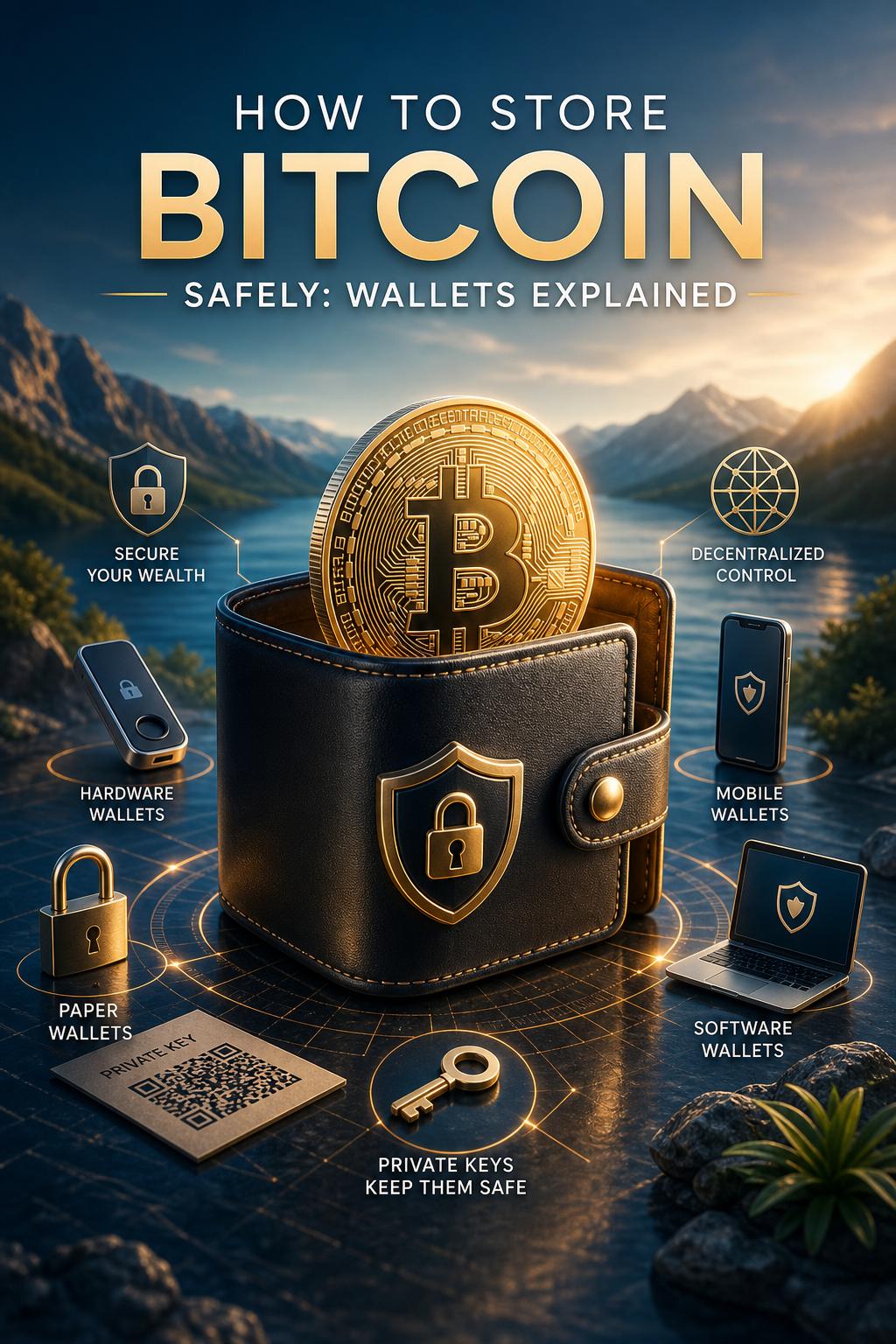
- Software Wallets: Applications or web platforms providing convenience but vulnerable to cyber threats.
- Hardware Wallets: Physical devices storing private keys offline with encryption mechanisms.
- Paper Wallets: Printed keys that are immune to digital hacks but require careful physical storage.
| Wallet Type | Security Level | Best Use Case |
|---|---|---|
| Hot Wallet | Moderate | Daily transactions, small balances |
| Hardware Wallet | High | Long-term storage, large holdings |
| Paper Wallet | High | Cold storage, offline backup |
Irrespective of your choice, safeguarding your private keys is paramount. never share your keys or seed phrases, and consider encrypting sensitive backups. Regularly update your wallet’s software to patch vulnerabilities, and employ additional layers of protection like two-factor authentication when available. By thoughtfully selecting your wallet and committing to stringent security protocols,you can confidently shield your Bitcoin assets from theft and loss.
Create your Nostr Profile