

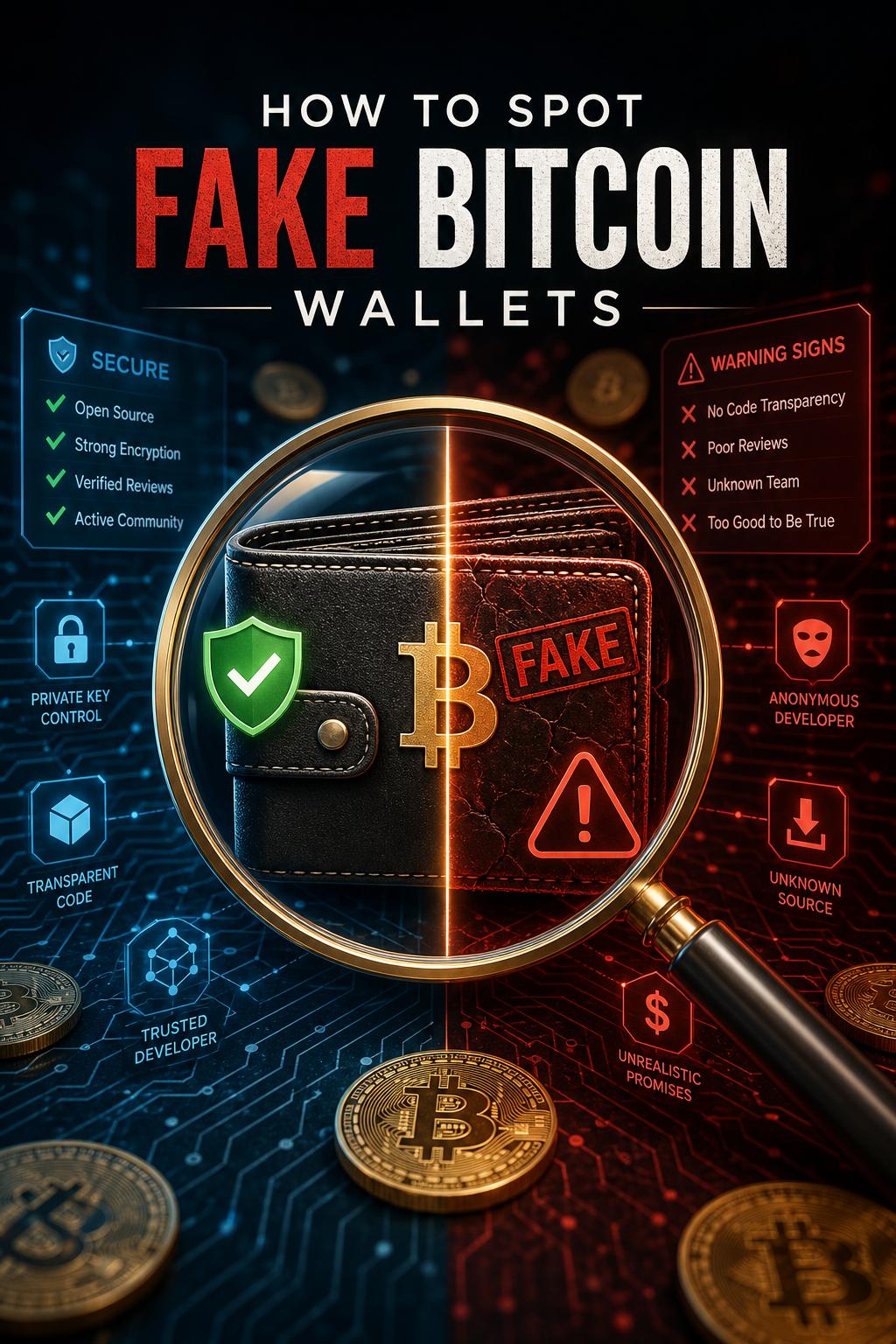
Distinguishing legitimate Bitcoin wallets from counterfeit ones requires a discerning eye and a thorough understanding of common deceptive tactics. Always start by verifying the source of the wallet application. Authentic wallets are typically available on official app stores or the developers’ verified websites. Beware of unexpectedly prompting URLs, misspellings, or requests to download executable files from unfamiliar platforms outside the trusted scope.
Attention to interface details can also reveal red flags. Fake wallets often have inconsistencies such as poor grammar, non-functional buttons, or unusual UI elements that deviate from standard wallet designs. Additionally,genuine wallets will not pressure users for private keys or seed phrases; any request to share these sensitive credentials should be treated as a critical warning sign. Implementing two-factor authentication (2FA) and cross-referencing user reviews can bolster confidence in the wallet’s legitimacy.
| Checkpoint | Genuine Wallet | Fake Wallet |
|---|---|---|
| Source | Official stores/websites | Unverified external links |
| User Interface | Consistent & professional | Glitches & poor language |
| security Requests | No private key sharing | Requests for keys or phrases |
Create your Nostr Profile