
Understanding the Mechanics: How Bitcoin Transactions are Processed
When a Bitcoin transaction is initiated, it begins wiht a user creating a transaction request.This request includes several key components: the sender’s wallet address, the recipient’s wallet address, and the amount of Bitcoin being transferred. Each transaction is further secured with a digital signature that proves ownership of the Bitcoin being sent.Onc the transaction is created, it enters a pool of unconfirmed transactions known as the mempool, where it waits for inclusion in a new block on the blockchain.
Nodes in the Bitcoin network play a crucial role in validating transactions. These nodes receive the transaction request and check it against various criteria, including ensuring that the sender has sufficient funds and that the digital signature is valid. Upon triumphant validation,the transaction is propagated to other nodes,increasing its chances of being confirmed. Miners are then tasked with grouping valid transactions into a block, which involves complex mathematical computations that serve to secure the network.
the process culminates in the addition of the newly mined block to the blockchain, signifying that the included transactions are now confirmed. Each block contains a reference to the previous block, creating a secure and immutable chain of records. This decentralized validation process not only enhances security but also fortifies the integrity of the entire Bitcoin ecosystem, enabling users to conduct transactions with trust and transparency.
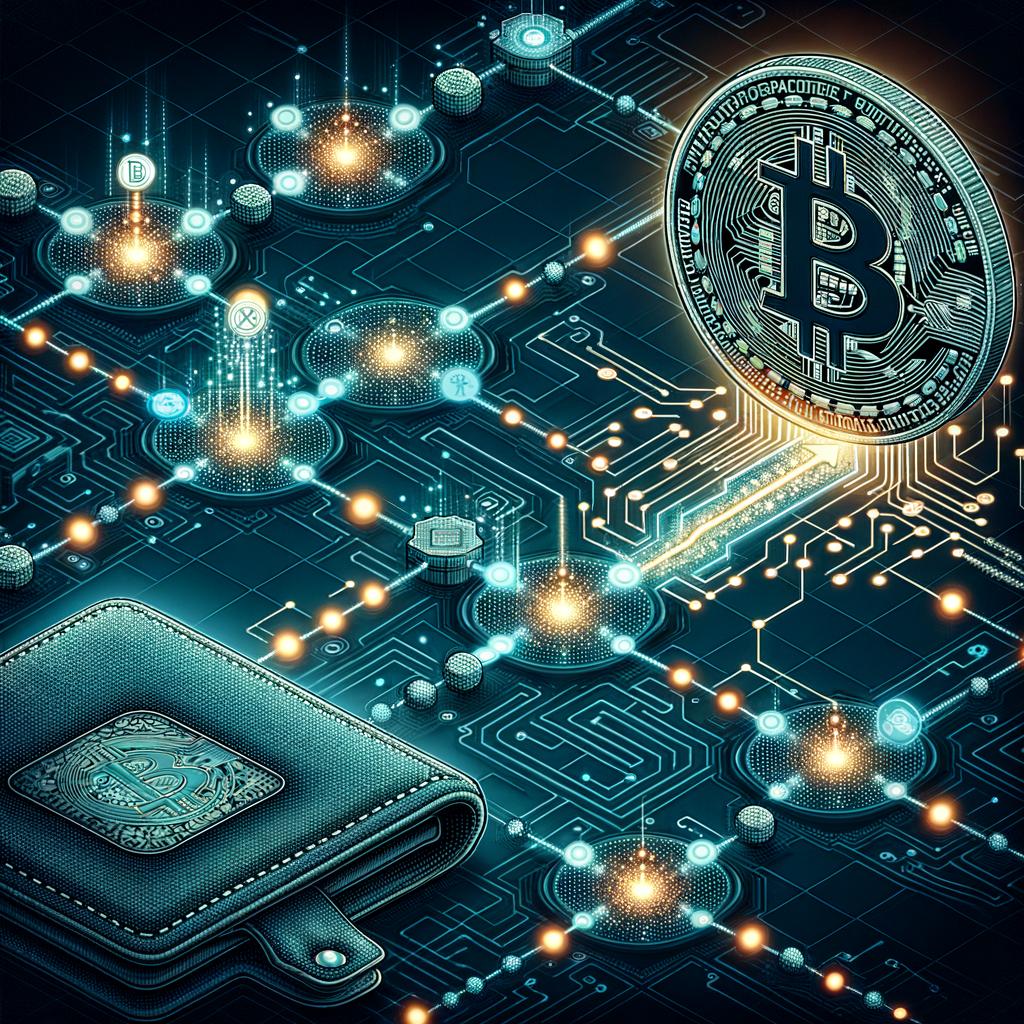
From Wallets to Confirmation: The Journey of a Bitcoin Transaction
The journey of a Bitcoin transaction begins when a user initiates the transfer from their digital wallet.This wallet acts as a secure storage space for Bitcoin, containing a unique pair of cryptographic keys: a public key, which serves as the address to receive funds, and a private key, which allows the user to send funds. When a transaction is created, it includes details such as the sender’s and receiver’s addresses and the amount to be transferred. This information is then broadcasted to the Bitcoin network, awaiting confirmation through a process known as mining.
Once the transaction is broadcasted, miners compete to validate it by solving complex mathematical puzzles. These miners group new transactions into blocks and append them to the existing blockchain, a public ledger of all Bitcoin transactions. Verification is crucial, as it ensures that the sender has sufficient balance and prevents double-spending. Each mined block contains a unique hash value and links back to the previous block, creating a secure chain that is tamper-proof. This process not only confirms the transaction but also strengthens the integrity of the entire network.
after a transaction is confirmed and added to a block, it can take some time before the transaction is fully settled. The level of certainty regarding a transaction’s finality increases with each subsequent confirmation, typically requiring several confirmations to be considered secure. Factors influencing confirmation times include network congestion, transaction fees, and the miner’s processing power. Ultimately, once a transaction is confirmed, the bitcoin is successfully transferred to the recipient’s wallet, completing the intricate journey from initiation to confirmation.
The Role of Miners and Blockchain: Ensuring Security and Integrity in Bitcoin Transactions
The process of mining is essential to the Bitcoin ecosystem, functioning as the backbone that maintains the network’s security and integrity. Miners are responsible for validating transactions and ensuring that they are accurate by solving complex mathematical problems.This validation process involves grouping transactions into blocks and appending them to the blockchain, a transparent and immutable ledger that records every transaction ever made in the Bitcoin network. The decentralized nature of mining means that no single entity holds control over the blockchain,thereby enhancing its resilience against fraud and hacking attempts.
Moreover, the incentive structure of Bitcoin mining plays a crucial role in maintaining the security of the network. Miners are rewarded with new bitcoins and transaction fees for their efforts in validating transactions, which encourages them to act honestly.This reward system not only motivates miners but also helps to regulate the issuance of new bitcoins, ensuring that the currency maintains its scarcity and value. The more miners participate in the network, the more secure it becomes, as the computational power required to alter any block increases exponentially, thereby deterring malicious actors.
The blockchain itself serves as a decentralized ledger that enhances the trustworthiness of Bitcoin transactions. Each block contains a cryptographic hash of the previous block, creating a chain of blocks that connects the entire history of transactions. This design ensures that once a transaction is recorded, it cannot be altered without the consensus of the majority of the network.Additionally,the transparency of the blockchain allows any participant to verify transactions independently,fostering a sense of accountability and trust within the community. As long as miners continue to validate transactions and maintain the integrity of the blockchain, Bitcoin security will remain robust.
As we conclude this deep dive into the intricate workings of Bitcoin transactions, it’s clear that the process is as revolutionary as it is complex. From the moment a transaction is initiated to its final confirmation on the blockchain, each step involves a meticulously crafted system designed to ensure security, transparency, and decentralization. Understanding these mechanics not only demystifies Bitcoin but also highlights its potential to transform traditional finance.
As you navigate this ever-evolving digital landscape, keep in mind that the future of Bitcoin-and, by extension, the broader world of cryptocurrency-holds both exciting possibilities and challenges. As technology advances and regulatory frameworks develop, staying informed will be key to leveraging the benefits of this innovative financial paradigm. Whether you are a seasoned investor or a curious newcomer, the journey into the world of Bitcoin transactions is just beginning, and your understanding will be an invaluable asset in this digital age.

