

| Capability | Human Developers | Current AI Standards |
|---|---|---|
| Problem-solving in novel situations | Strong | Weak |
| Responding to dynamic user needs | Strong | Weak |
| Writing repetitive code | Weak | Strong |
These limitations highlight that while AI has made considerable progress, it still cannot replace the essential human touch in the software development process.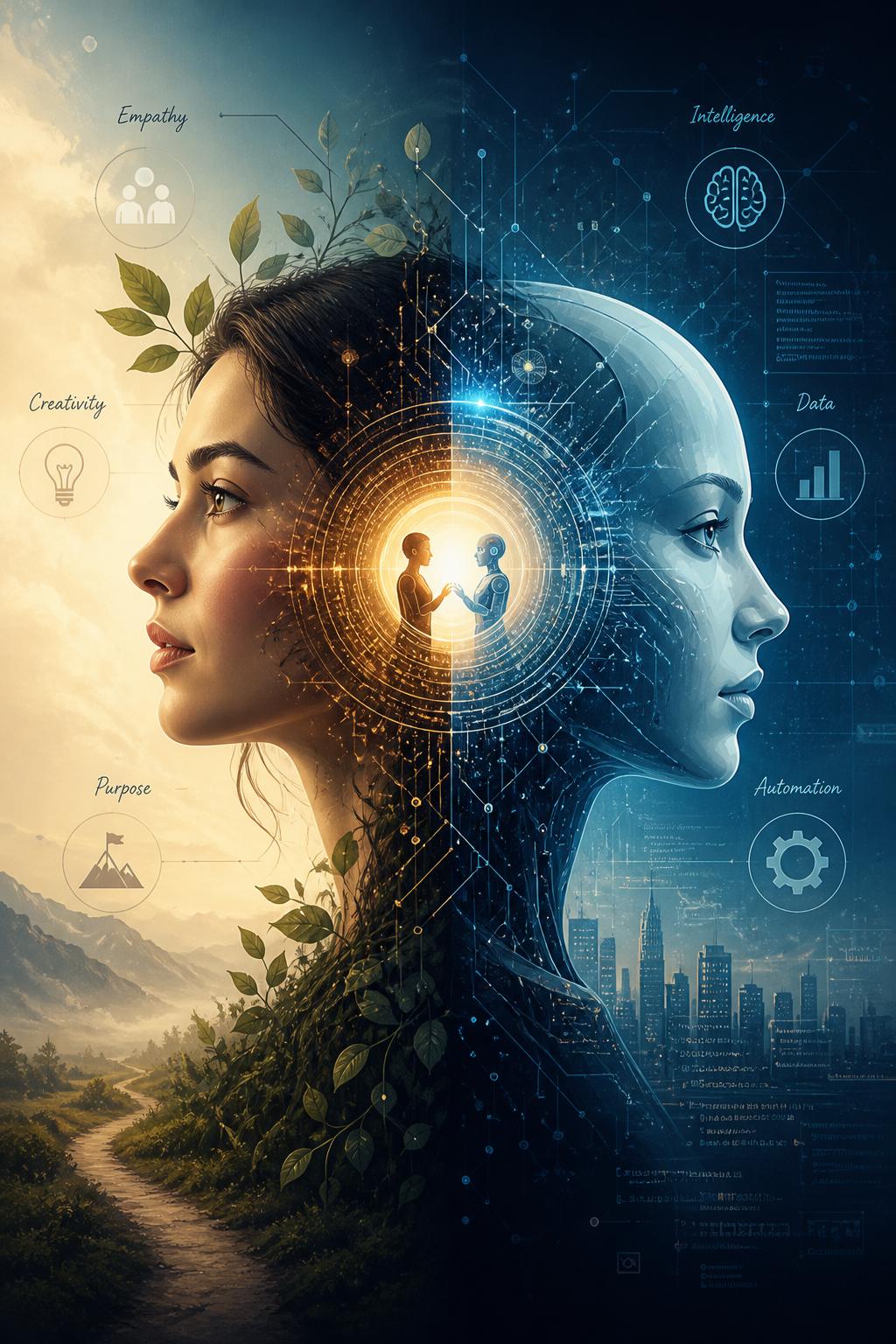
Understanding the Human Element in AI-Generated Software
As developers continue to explore what AI can and can’t do, it’s clear that humans still play a crucial role in software development. Even though AI can write up to 75% of the code, humans guide the process to ensure that the software meets specific business needs and goals. This collaboration shows how technology complements human creativity rather than replacing it. Humans can use AI to create more efficient solutions and free up time for more innovative tasks, but decision-making and strategic oversight remain in human hands.
To better understand this partnership, consider these key areas where human input is essential. Humans define project requirements, ensuring that AI-generated solutions address real-world problems. They also ensure that AI-generated software adheres to ethical guidelines, protecting user data and privacy. Lastly, humans are responsible for maintaining and updating software to keep it secure and functional over time. This partnership is illustrated by the table below, which outlines key areas where human oversight is critical.
| Aspect | Role of Humans |
|---|---|
| Project Requirements | Define and refine goals |
| Ethical Guidelines | Ensure compliance and integrity |
| Maintenance and Updates | Monitor and improve functionality |
This synergy between human ingenuity and AI capabilities positions us at an exciting juncture in the evolution of software development, where the strengths of both complement each other to deliver powerful and responsible technological advancements.
Best Practices for Collaborative AI and Developer Workflows
Collaborative AI and developer workflows are becoming a cornerstone of modern software development. AI can generate nearly 75% of the code required for new projects, considerably accelerating development cycles and reducing human error. However, the human touch remains indispensable. Developers work alongside AI to ensure the final product meets complex requirements, integrates seamlessly with existing systemsand follows best practices in quality assurance and security. By working together, developers can enhance their productivity while leveraging the strengths of AI for repetitive and complex tasks.
To maximize the benefits from these AI-empowered workflows, teams need to establish clear guidelines. Effective dialog is key; developers must clearly articulate their intentions and constraints to the AI systems. This includes specifying project objectives,handling edge cases,and maintaining consistency in coding standards. developers should prioritize tasks that require human judgment and creativity, such as designing user interfaces and debugging critical errors. Below is a simple table that outlines the typical roles of developers and AI in a collaborative workflow.
| Task | Developer Responsibility | AI Responsibility |
|---|---|---|
| Code generation | Setting parameters, reviewing output | Writing code segments, handling optimizations |
| Error detection | Diagnosis, fixing complex issues | Automated checking, suggesting fixes |
Emerging Trends in Human-Machine Collaboration in Programming
As Google’s recent statement suggests, AI isn’t taking over programming entirely just yet. Despite the extraordinary capabilities of AI to write an estimated 75% of the code, human programmers remain indispensable at the moment. This collaboration between humans and machines is reshaping the industry and enhancing the workflow and creativity of developers. Humans contribute the critical thinking and innovative ideas that frequently enough can’t be replicated by algorithms, ensuring that code isn’t merely generated but crafted with purpose and creativity.
When machine learning models and human programmers work side by side, developers can focus more on high-level problem-solving and innovation. As an example, tasks that were once mundane and time-consuming, such as debugging and code generation, can be handled by AI, freeing up human programmers to tackle more complex issues. This synergy between humans and machines ensures that the codebase remains robust and adaptable.Below is a simplified view of how this collaboration can look, highlighting key roles each player plays:
| Component | Role |
|---|---|
| AI | Generates and optimizes code based on predefined parameters. |
| Human Programmer | Identifies high-level objectives, designs architectureand ensures code quality. |