
From Whiskey to Orthopedic Care: 2 More Companies Race to Hoard Bitcoin
As the cryptocurrency landscape evolves, an increasing number of companies across various sectors are looking to Bitcoin not just as a speculative asset, but as a strategic reserve. In a recent surge, two distinct industries-whiskey production adn orthopedic care-are joining the ranks of businesses embracing bitcoin as a core component of their financial strategy. This shift signifies a growing recognition of Bitcoin’s potential as a hedge against inflation and a means of securing long-term value. By analyzing the motivations behind this trend, we can uncover how these diverse sectors are adapting to the changing economic climate and the implications this has for the broader acceptance of digital currencies in everyday business practices.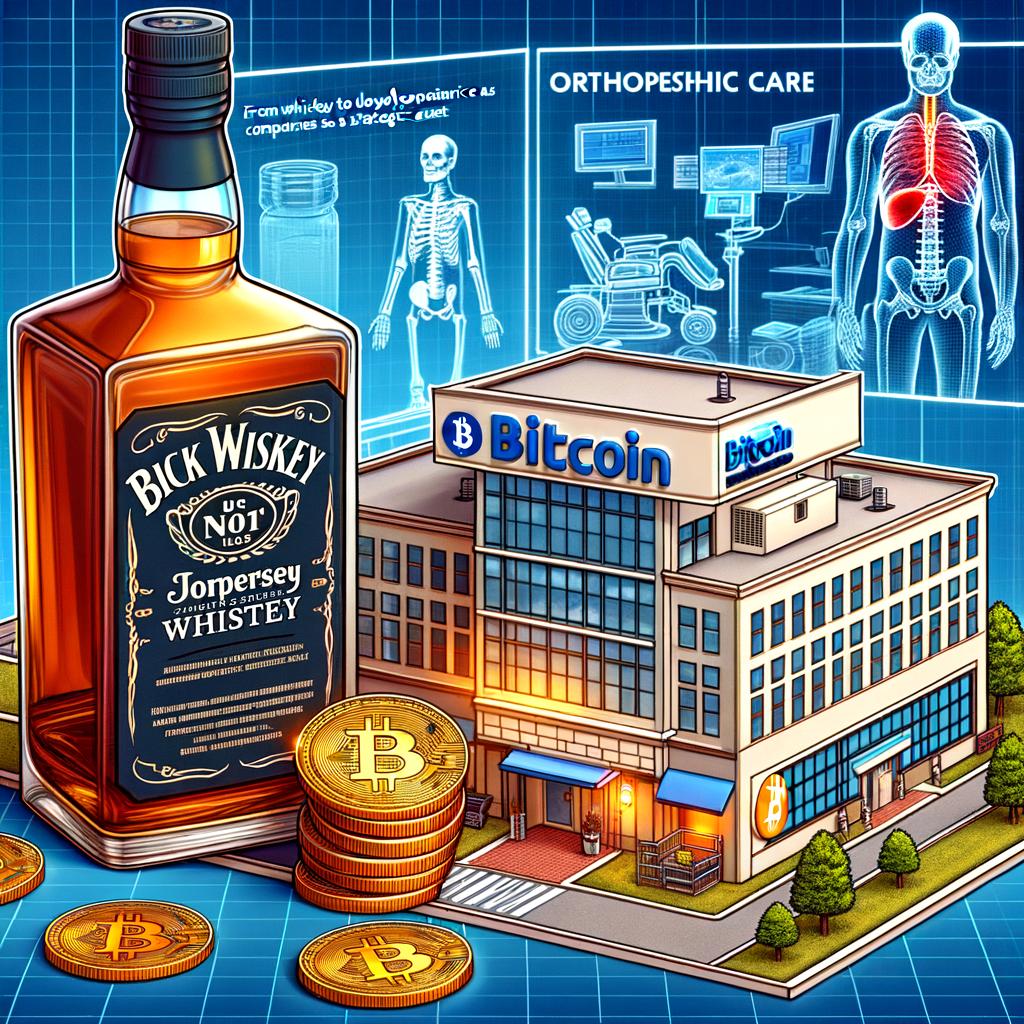
From Whiskey to Orthopedic Care: Companies Embrace Bitcoin as a Strategic Asset
In recent months, a diverse array of industries has begun to recognize the potential of Bitcoin as a strategic asset. Companies previously limited to traditional currencies are increasingly incorporating cryptocurrency into their financial models. For example, a notable whiskey distillery has initiated sales transactions in Bitcoin, highlighting a growing acceptance of digital currencies in luxury goods. By offering customers the option to pay in Bitcoin, these companies not only attract tech-savvy consumers but also position themselves as pioneers in the evolving market landscape.
Similarly, the healthcare sector is beginning to explore the benefits of cryptocurrency. An orthopedic care provider has announced plans to accept Bitcoin as a form of payment for medical services, aiming to improve patient accessibility and streamline transactions. This move reflects a broader trend where companies are not just adapting to consumer preferences but are also looking for ways to enhance operational efficiency. By leveraging the decentralized nature of Bitcoin,they expect to reduce transaction fees and increase the speed of payments,ultimately benefiting both the providers and their patients.
The momentum of Bitcoin adoption across sectors underscores a pivotal shift in financial strategy. Business analysts suggest that this trend can lead to meaningful advantages, including enhanced liquidity and portfolio diversification. As companies begin to realize the benefits of holding Bitcoin on their balance sheets, others may soon follow suit, contributing to a more robust acceptance of digital currencies. The integration of bitcoin into both luxury goods and essential services could signal a new chapter in the way businesses engage with customers and manage their assets.
The Growing Trend: Diversifying Corporate Balance Sheets with Bitcoin Investments
The adoption of Bitcoin as a legitimate asset class is witnessing a remarkable acceleration, particularly among corporations eager to enhance their balance sheets.This shift reflects a growing recognition of bitcoin not merely as a speculative investment but as a strategic tool for fortifying financial resilience. Companies are increasingly gravitating towards adding Bitcoin to their portfolios, citing benefits such as potential thankfulness, diversification away from traditional fiat currencies, and a hedge against inflation.
Various industry leaders have spearheaded this trend, showcasing how cryptocurrency can bolster corporate treasury strategies. Large entities are making headlines with significant Bitcoin purchases, including well-known firms from technology, automotive, and financial services. These investments are often justified by the desire to enhance liquidity and mitigate risks associated with economic uncertainties.As Bitcoin’s mainstream acceptance grows, more firms are likely to follow suit, adding legitimacy to cryptocurrency as a reserve asset.
The implications of this trend extend beyond immediate financial advantages; they signal a broader shift towards crypto adoption in corporate governance. As more organizations integrate Bitcoin investments into their financial frameworks, they also contribute to the establishment of guidelines and best practices for cryptocurrency management. This reinforces the institutional legitimacy of Bitcoin, paving the way for further innovations in financial markets and perhaps inspiring regulatory frameworks to accommodate the evolving landscape of digital assets.
Case Studies: How Alcohol and Healthcare Industries Are Turning to Cryptocurrency
The alcohol and healthcare industries are increasingly exploring the benefits of cryptocurrency as a modern solution to various challenges. In the alcohol sector, companies are leveraging blockchain technology to enhance transparency in the supply chain, ensuring that products are genuine and free from counterfeit issues. By integrating cryptocurrencies in transactions, businesses can streamline operations, reduce costs associated with traditional payment systems, and cater to a tech-savvy consumer base that values convenience and security.
Meanwhile, the healthcare industry is witnessing innovative applications of cryptocurrency beyond mere payments. Healthcare providers are utilizing blockchain to protect patient data through encrypted records, which ensures that sensitive information is both secure and easily accessible to authorized personnel. Additionally, many organizations are beginning to accept cryptocurrencies as a form of payment for medical services, allowing patients greater adaptability and privacy in managing their healthcare expenses. This transition not only facilitates faster transactions but also reduces administrative burdens and fraud.
Moreover, as regulatory frameworks surrounding cryptocurrencies evolve, both sectors are beginning to implement solutions that bypass traditional banking limitations. This is particularly favorable for international transactions, where cryptocurrency can circumvent high fees and lengthy processing times. With the potential to revolutionize operations, these industries are not only improving efficiency but are also positioning themselves at the forefront of the digital economy by embracing blockchain and cryptocurrency technologies.
Navigating the Future: The Implications of Bitcoin Adoption Across Varied Sectors
The surge in Bitcoin adoption is reshaping various sectors beyond the realm of finance, influencing how businesses operate and interact with consumers. Companies across industries are beginning to recognize the potential of Bitcoin not only as a payment method but also as a means to enhance operational efficiency and foster customer loyalty. In particular, sectors such as retail, technology, and real estate are experiencing transformative changes due to their integration with cryptocurrency.
In the retail sector, businesses that accept Bitcoin as a payment option are observing a shift in customer demographics. Early adopters are frequently enough tech-savvy and value the benefits of transaction speed and reduced fees. This adaptation not only attracts a new customer base but also positions these retailers as forward-thinking entities willing to embrace innovation. Moreover, integrating Bitcoin payments can reduce the risk of chargebacks, which frequently enough burden retailers with additional costs, thereby enhancing overall profitability.
Technology companies, especially those focused on blockchain and cybersecurity, find that Bitcoin adoption aligns with their core business models. Innovative firms are leveraging Bitcoin’s decentralized nature to create secure platforms that protect user data while facilitating transactions. This convergence of technologies is leading to the advancement of new solutions, such as decentralized finance (DeFi) applications and non-fungible tokens (NFTs), which are attracting not only individual investors but also institutional interest. As firms continue to navigate regulatory landscapes, the successful integration of Bitcoin could further solidify its position as a staple in the arsenal of modern technology businesses.
As the landscape of cryptocurrency continues to broaden, industries as diverse as whiskey production and orthopedic care are joining the race to accumulate Bitcoin. This shift underscores the growing recognition of Bitcoin not only as a speculative asset but as a strategic reserve for businesses seeking to hedge against inflation and economic uncertainty. The actions of these companies highlight a significant trend: Bitcoin is increasingly viewed as a legitimate financial tool that transcends traditional market boundaries. As we observe the unfolding narratives and strategies of these sectors, it becomes clear that the future of Bitcoin integration into various industries holds considerable promise. For continuous updates and in-depth analysis on the evolving relationship between Bitcoin and mainstream businesses, stay connected with us at The Bitcoin Street Journal.