

Unveiling North Korea’s Cyber Espionage in the Cryptocurrency Sector
North Korea’s cyber espionage activities in the cryptocurrency sector have evolved to become more elegant, aiming to secure both financial gains and strategic advantages. These operations are meticulously planned and executed, with a primary objective of infiltrating the networks of crypto firms without raising immediate suspicion. One of the most prevalent tactics is the use of spear phishing emails, which are highly personalized messages designed to deceive employees into clicking on malicious links or downloading attachments that contain malware. This method was notably employed in the high-profile attack on Binance, one of the world’s largest cryptocurrency exchanges. By leveraging such tactics, North Korean hackers can establish a foothold within a company’s network, enabling them to exfiltrate data or directly steal funds.
To gain a deeper understanding of these tactics, it is indeed essential to examine the specific methods employed. One approach involves exploiting zero-day vulnerabilities-unpatched weaknesses in software or hardware that attackers can use to their advantage before the flaws are known to the owners. Another method is the deployment of Trojan malware, which can perform a variety of malicious activities, including keylogging and backdoor creation. These techniques allow North Korean hackers to manipulate transactions, siphon off funds, and steal sensitive information undetected. Below is a breakdown of how these methods interplay in real-world scenarios:
| Method | Description |
|---|---|
| Spear Phishing | Personalized emails designed to trick employees into downloading malware. |
| Trojan Malware | Software that enables hackers to control systems and steal data. |
| Zero-Day Exploits | Attacking unpatched vulnerabilities to gain unauthorized access. |
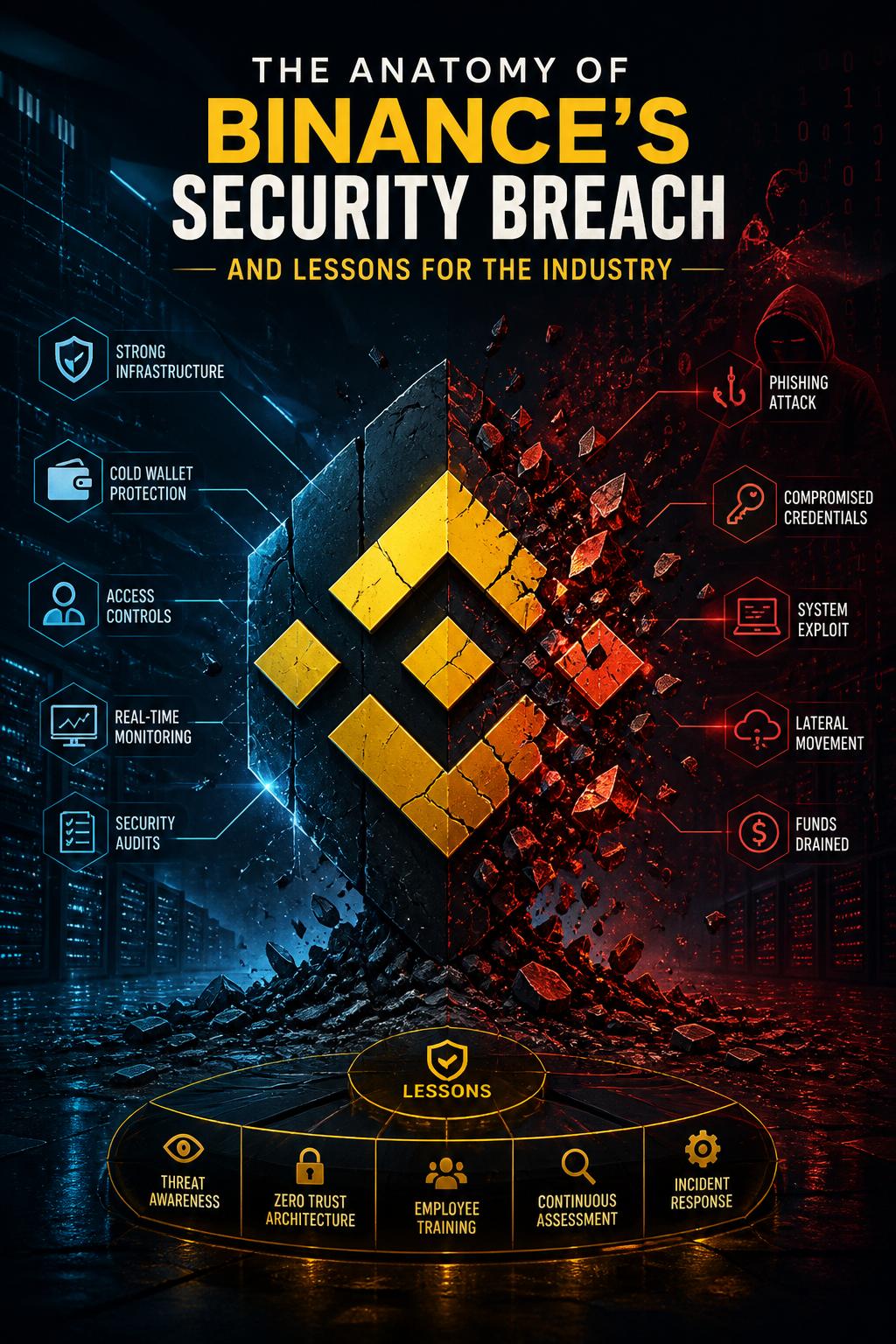
The Anatomy of Binance’s Security Breach and Lessons for the Industry
Binance’s security breach, attributed to North Korean hacking groups, serves as a critical lesson in the ongoing cyber warfare targeting cryptocurrency exchanges. The attack highlighted the relentless tactics used to infiltrate even the most secure systems.When Binance fell victim to such an assault, it was not merely a technological oversight but a strategic failure to adapt to evolving threats. This incident underscored the necessity for exchanges to reassess their security protocols and consider not just the technology they implement but also the depth of threat intelligence they possess. North Korean hackers are known for their creativity and persistence, blending social engineering with sophisticated technical attacks. Understanding these methods is crucial for preventing future breaches.
| Technique | Description |
|---|---|
| Phishing | Targets employees with emails designed to trick them into divulging sensitive information. |
| Malware | Deploys malicious software to gain unauthorized access to systems. |
The anatomy of Binance’s security breach includes a mix of social engineering and technical skullduggery. Hackers often initiate with phishing campaigns, exploiting human vulnerabilities rather than relying solely on software weaknesses. Once an initial foothold is established, the attackers use malware to escalate their control over the network. This layered approach underscores the importance of defense in depth, where security systems are designed to detect and mitigate threats at multiple points. For the industry, this means moving beyond securing against known vulnerabilities; it involves active monitoring and continuous education of staff on the latest threat vectors.
Innovative Strategies to Counter Advanced Persistent Threats
Countering advanced persistent threats (APTs) necessitates a comprehensive strategy that extends beyond customary cybersecurity measures. A foundational step involves strengthening internal security protocols by equipping all employees with the knowledge to identify and respond to sophisticated phishing attacks. Training programs should incorporate realistic simulations to prepare staff for the psychological manipulation tactics employed by state-sponsored hackers,such as those from North Korea. This training is vital for everyone in the institution, not just IT personnel, as they might potentially be the first line of defense against an attack.
Another critical aspect is the deployment of advanced monitoring and analytics tools to detect unusual activities in real-time. Organizations must continuously monitor their networks for signs of compromise, such as unexpected data transfers or access patterns. Behavioral analytics can be especially effective in identifying deviations from normal behavior, which could indicate insider threats or external breaches. Adopting a proactive stance can significantly reduce the risk of a full-scale breach.
Below are key areas to focus on for enhanced monitoring:
| Area | Key Monitoring Indicators |
|---|---|
| Network Traffic | Unusual data exfiltration patterns |
| User Activity | Unauthorized access attempts,unusual login times |
| System Performance | Unexplained spikes in resource usage,slow network speeds |
Strengthening Global Collaboration to Tackle Cryptocurrency Cybercrime
Addressing cybercrime in the cryptocurrency domain requires robust international cooperation,especially when dealing with persistent threats from nation-states like North Korea. These actors often use sophisticated techniques that necessitate a coordinated global response. When North Korea targets crypto firms, it typically involves a series of well-coordinated attacks that span multiple fronts and involve various players.
To enhance international cooperation, policymakers and tech leaders must acknowledge the global nature of cyber threats in cryptocurrencies. This involves creating secure channels for sharing threat intelligence among countries and crypto firms,which can significantly bolster defensive capabilities. The table below outlines a basic framework for such an initiative:
| Country | Crypto Firm | Type of Threat Information |
|---|---|---|
| United States | Binance | Audit logs, phishing tactics |
| South Korea | KuCoin | Cyber espionage, malware samples |
| European Union | Bitstamp | Incident response strategies |
Pooling resources and expertise through international cooperation is essential for developing a robust defense against state-sponsored cybercriminal activities. This collaborative approach is crucial in effectively countering the unique challenges posed by North Korea’s cyber warfare tactics.