

In a meaningful shift in regulatory stance, the Federal Deposit Insurance Corporation (FDIC) has announced that U.S. banks will no longer be required to seek prior approval to engage in Bitcoin and cryptocurrency activities. This move, which marks a departure from previous guidelines that mandated formal consent before institutions could partake in the burgeoning digital asset market, aims to streamline banks’ ability to operate in the fast-evolving landscape of cryptocurrencies.By eliminating the prior approval requirement,the FDIC seeks to foster innovation and competition among financial institutions while simultaneously addressing the growing demand for banking services related to digital currencies.With this policy reversal, banks are now poised to explore new opportunities in the crypto sector, potentially reshaping the financial industry in the process.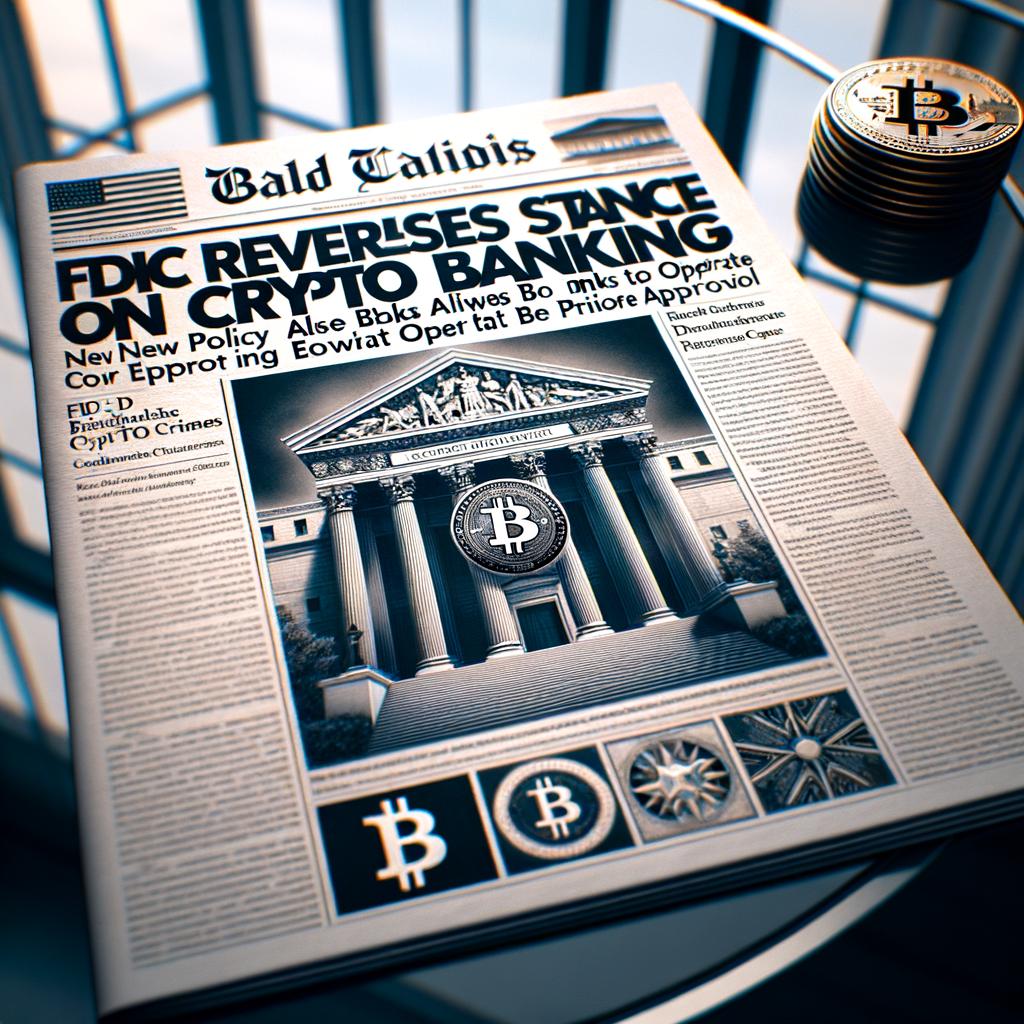
FDIC Reverses Stance on crypto banking: New Policy Allows Banks to Operate without Prior Approval
The Federal Deposit Insurance Corporation (FDIC) has announced a significant policy shift regarding the operation of banks in the cryptocurrency space. Under the new guidelines, banks are no longer required to seek prior approval from the FDIC to engage in crypto-related services. This move is expected to streamline the process for customary financial institutions looking to integrate digital assets into their offerings, reflecting a growing recognition of the role that cryptocurrencies play in the modern financial landscape.
This policy change comes amid increasing numbers of banks expressing interest in providing cryptocurrency services to their clients. By easing regulatory burdens, the FDIC aims to foster innovation and competition within the banking sector.While some advocates welcome the adaptability this policy brings, concerns about the potential risks associated with cryptocurrencies, including volatility and security issues, remain prevalent. Banks will still be required to adhere to existing regulations, including those related to customer protection and anti-money laundering measures.
Industry experts anticipate that this newly revised stance may lead to a surge in partnerships between traditional banks and cryptocurrency platforms. As banks begin to explore a wider array of services—including custody solutions, trading platforms, and lending products—customers may benefit from enhanced access to digital assets. Additionally, the FDIC’s decision signals a potential shift in the regulatory landscape, encouraging other regulatory bodies to reassess their approach to cryptocurrencies and foster a more inclusive environment for innovation in financial technology.
Regulatory Shift: U.S. Banks Given Green Light for Cryptocurrency Engagement
In a landmark decision, U.S. regulators have opened the doors for traditional banks to actively engage with cryptocurrency markets. This shift signifies a ample change in the regulatory landscape, allowing financial institutions to offer a range of services related to digital assets. as banks explore integration into the crypto sphere,their involvement is expected to foster greater stability and legitimacy within the often-volatile market.
The implications of this regulatory change are numerous and profound. Financial institutions are now poised to offer various crypto-related services, including:
- Custodial Services: Safeguarding clients’ digital assets.
- Investment Opportunities: Facilitating crypto investments and trading.
- Payment Processing: Enabling transactions using cryptocurrencies.
This development not only aids banks in diversifying their service offerings but also enhances consumer confidence in cryptocurrencies. By providing these services under a regulated framework, banks aim to reduce the risks associated with digital assets, ultimately attracting a broader customer base.
As traditional financial entities venture into cryptocurrency, experts anticipate a shift in market dynamics. Enhanced scrutiny and compliance requirements may lead to a more structured environment that could mitigate fraud and enhance consumer protection. Moreover, this regulatory endorsement may pave the way for further innovations in digital currencies, influencing how they are perceived by both investors and the general public.
Implications of the FDIC’s Decision on the Future of Crypto Banking in the United States
The Federal Deposit Insurance Corporation’s (FDIC) recent decision has far-reaching implications for the landscape of cryptocurrency banking in the United States. As the regulatory framework around digital assets continues to evolve, the FDIC’s stance signals a potential integration of traditional banking principles with the burgeoning crypto sector. This move may lead to greater assurance for consumers, enabling them to feel secure in their transactions and investments within cryptocurrency platforms. Such advancements bolster confidence, which is essential for the growth of the digital currency ecosystem.
Moreover, the FDIC’s guidelines could reshape the operational framework for crypto banks, requiring them to adopt more stringent risk management practices and compliance protocols.The emphasis on openness and accountability may deter illicit activities frequently enough associated with unregulated crypto trading.As a result, institutions aiming to offer crypto banking services will likely need to invest in enhanced security measures and technological tools to ensure adherence to regulatory standards, thereby increasing operational costs but potentially earning greater consumer trust.
the FDIC’s decision may also influence competitive dynamics within the financial sector. Established banks might consider entering the crypto space, leveraging their existing infrastructures and customer bases to offer hybrid banking services that include digital asset management. This could lead to an expansion of innovative financial products that blend traditional banking with cryptocurrency offerings. Ultimately, the FDIC’s guidance could catalyze a new era of financial services, promoting a safer, more robust environment for both consumers and businesses engaged in the digital economy.
the FDIC’s new directive marks a significant shift in the regulatory landscape for cryptocurrency and blockchain technologies within the U.S. banking sector. By permitting banks to engage in crypto-related activities without the need for prior approval, the agency is not only streamlining operational processes but also promoting financial innovation and competitiveness. As the integration of digital assets into traditional banking systems accelerates, stakeholders must remain vigilant in addressing the associated risks and regulatory challenges. The forthcoming period will likely be crucial in determining how effectively banks adapt to these new guidelines while ensuring the stability and integrity of the financial system. As the landscape evolves, continuous dialogue between regulators, financial institutions, and the crypto community will be essential to navigate this dynamic environment.