

In the European Union, the rapid growth of Extended Reality (XR) is expected to create 860,000 jobs in the next five years, according to the European Commission. XR is the term used to refer to the combination of Augmented Reality (AR), Virtual Reality (VR) and Mixed Reality (MR) technologies, and will spur unprecedented levels of innovation in fields such as healthcare, education as well as the arts, the Commission said.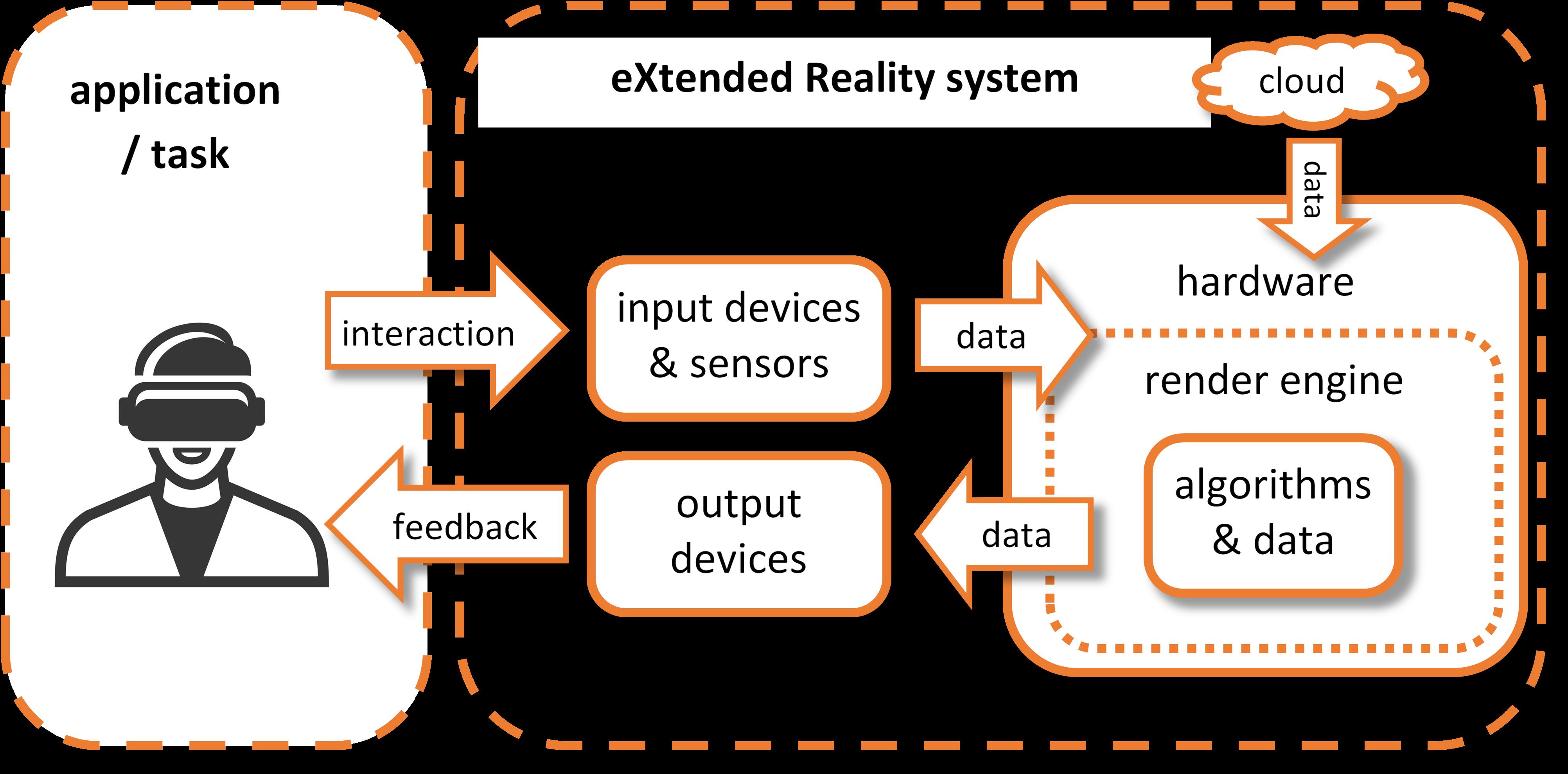
1. EU Commission Forecasts 860,000 Jobs From ‘Extended Reality’ by 2025
The European Commission has released a report outlining their forecasts for job growth in the Extended Reality (XR) sector over the next five years. According to the report, the EU is expected to create 860,000 jobs within the XR industry by 2025.
The report claims that XR technologies will provide significant economic and social benefits across all industries. XR will be used to enhance educational resources, increase efficiency in manufacturing, and increase access to remote medical care with virtual and augmented technologies.
To prepare for the expected job growth, the report recommended a focus on four key areas:
- Research and Innovation: Investing in the research and development of XR technologies.
- Education and Skills: Preparing industry workers to develop and use XR technologies.
- Infrastructure: Establishing the necessary infrastructure to support XR development and usage.
- Regulation: Coordinating policy initiatives across the EU to promote the safe and effective uptake of XR technologies.
The European Commission report was an important step forward in assessing the extent and potential of the XR sector. With strategies in place to develop and deploy XR technologies, the EU is on track to reach their goal of 860,000 new jobs by 2025.
2. What is ‘Extended Reality’ and What Jobs Will It Create?
Extended Reality (XR) is a term used to describe the various immersive technologies that are used to enhance our understanding of digital objects, spaces and places. This umbrella term encompasses augmented reality (AR), virtual reality (VR) and mixed reality (MR).
XR has opened up an entirely new way for us to interact with technology, offering users a seamless digital experience that blurs the boundaries between physical and digital worlds. As XR continues to expand, it will open up a range of opportunities for innovative job roles in the network of technologies that make up this sector.
The XR realm is still in its infancy, so it’s difficult to predict what exact type of jobs will exist in the future. Yet it’s clear that this technology has untapped potential to revolutionize many industries. It’s likely that job opportunities will span a range of sectors, including entertainment, gaming, manufacturing, retail, healthcare, architecture and education. Jobs could include:
- Software Developers and Engineers: Responsible for creating the application components and systems necessary for a user to interface with XR technologies.
- 3D Animators: Develop animation techniques for XR applications.
- Product Designers:Evaluate the users’ experience when interacting with XR applications and create the interface to control them.
As XR spreads its wings, more and more industries will become interested in the potential of this technology, leading to the creation of a wider variety of jobs in the future. For this reason, it’s important to stay up to date with the latest industry trends in order to remain ahead of the curve.
3. European Commission Aims to Boost Investment in Extended Reality Technologies
The European Commission is keen to promote the economic potential of extended reality technologies. The EC has launched an online platform dedicated to these technologies which provide the users with a more immersive experience than traditional computing. The EC also intends to boost investment in Extended Reality (XR) research and development.
The EC’s platform titled Extended Reality Europe will give stakeholders, companies and startups easy access to the latest XR developments. This will provide businesses with a clear overview and insight into the European XR sector. It will also provide researchers a valuable tool to make connections and facilitate collaborations.
The European Commission also aims to increase the uptake of extended reality investments and support innovation. This is in line with the EU’s Digital Agenda for Europe, which is dedicated to ‘investing in digital technologies and infrastructure across Europe’. To achieve this goal the Commission will:
- Encourage the exchange of best practices in XR
- Support research and innovation in XR technologies
- Fund XR’s uptake and development with European Investment Bank loans
The measures announced by the European Commission aim to help European businesses benefit from XR to innovate, produce, create jobs and enhance their economic growth. The Commission will actively monitor the uptake of investments in XR to ensure that the goals set out in its Digital Agenda are met.
4. How Can Extended Reality Transform Global Job Markets?
Extended reality (XR) is transforming global job markets, and bringing with it new opportunities and challenges for the workforce. For those already working in the technology field, XR can open up a broad range of new prospects. For those looking to break into the tech space, XR can not only create entirely new positions, but also upgrade existing job descriptions and career paths.
New job opportunities. XR technology is providing us with brand-new job opportunities. From 3D modelers and animators, to virtual reality designers and application developers, the list of fresh job titles that XR is creating is growing rapidly. These positions will mostly likely involve new skills and knowledge, meaning training and new educational paths could be created as well.
Redefining existing roles. Industries such as manufacturing, logistics, healthcare, and retail are experimenting with XR technology in order to transform the way they do business. This is already redefining existing roles in these sectors, enhancing the skills and knowledge base that effective workers need. It’s also creating a range of new tasks, from developing more efficient augmented reality interfaces, to creating creative ways of leveraging XR for marketing and communications.
- Training and new educational paths
- Creation of fresh job titles
- Redefining existing roles and tasks
All in all, XR is creating a wealth of opportunities and challenges for global job markets, while transforming the way we work. As the technology advances, we can can expect far-reaching changes to industries far and wide.
The exciting potential of Extended Reality holds considerable promise for the future of work. It is clear that embracing the E.R. revolution could create as many as 860,000 jobs in the European Union alone over the next five years. It is evident that leaders in Europe are ready to leverage this burgeoning technology to benefit regional and local workforces. Attention now turns to the innovative companies and skilled individuals who will help bring Extended Reality from concept to reality.