
– Understanding the concept of Satoshis: The Building Blocks of Bitcoin
In the realm of digital currency, satoshis serve as the essential unit that powers the Bitcoin ecosystem. Named after its elusive creator, Satoshi Nakamoto, a single Bitcoin can be subdivided into 100 million Satoshis, thereby enhancing its usability and accessibility. this fractionalization allows for transactions of various sizes, making Bitcoin applicable for both microtransactions and ample financial dealings. the importance of Satoshis in everyday transactions cannot be understated; they facilitate a more granular and flexible approach to digital currency exchanges.
The cap on Satoshis, limited at 2.1 quadrillion, introduces an intriguing dynamic within the world of cryptocurrency.This finite supply not only establishes Bitcoin’s scarcity, akin to precious metals like gold, but also underpins its value proposition. By contrast to conventional fiat currencies that can be printed ad infinitum, Bitcoin’s predetermined maximum supply fosters a form of economic discipline. The implications of this structure extend to potential long-term market strategies, investor behavior, and the overall stability of Bitcoin as a store of value.
Moreover, understanding the Satoshi denomination illuminates the intricacies of Bitcoin trading and investment. Wiht the finite nature of 2.1 quadrillion Satoshis, both micro and macroeconomic factors can create fluctuations in value that are often unpredictable. Investors and users alike must navigate this evolving landscape, weighing the risks associated with Bitcoin’s price volatility against its promise of decentralized financial freedom. Thus, the architecture of Satoshis not only plays a critical role in transactional mechanics but also in shaping the future of how we perceive and utilize money in an increasingly digital economy.
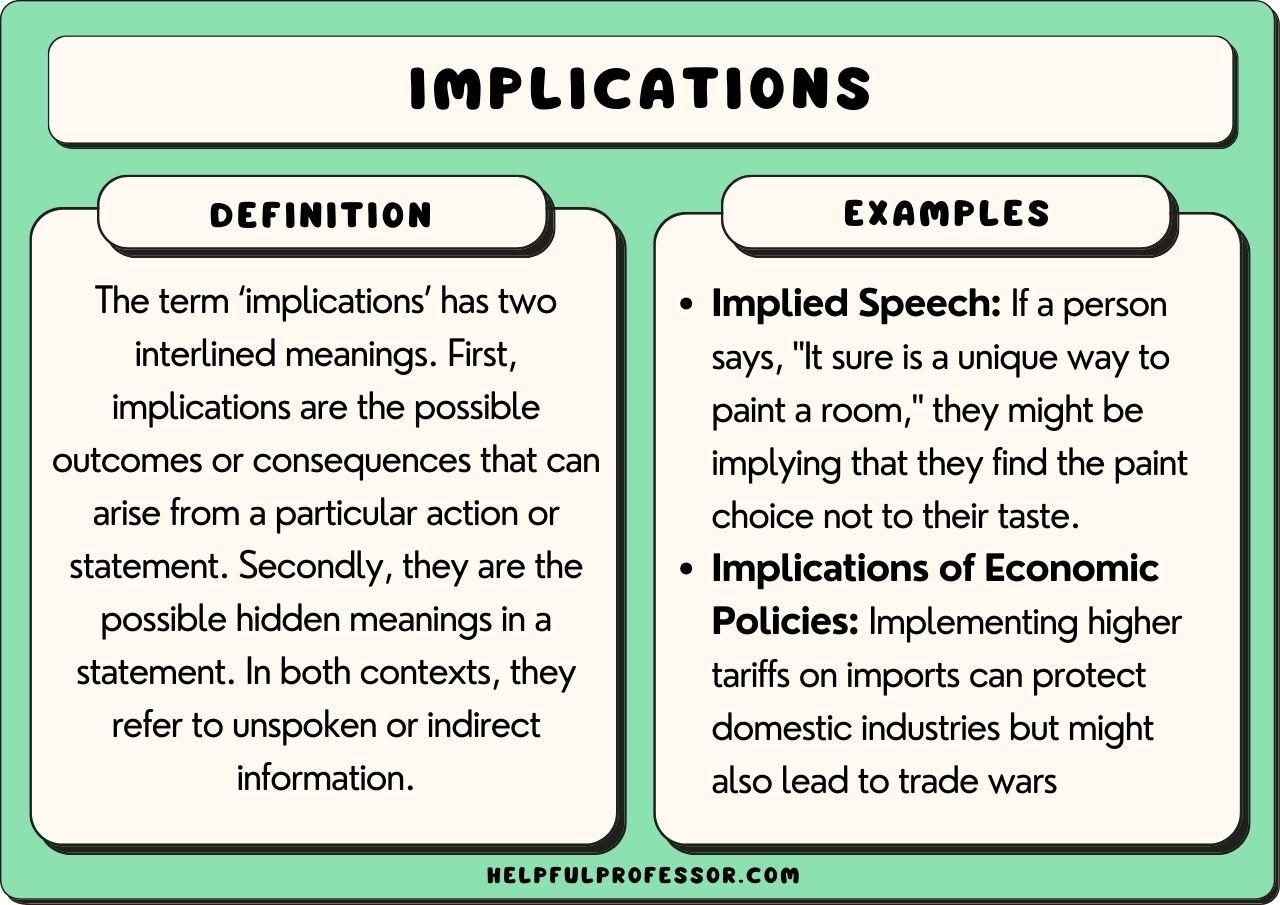
– The Implications of a Finite Supply: Economic Considerations and Future Scenarios
A finite supply of 2.1 quadrillion satoshis raises notable economic implications that merit careful consideration. As the smallest unit of Bitcoin, a satoshi holds substantial value in the broader context of cryptocurrency economics. With a capped supply, it becomes essential to explore how scarcity might influence market dynamics and investor behaviors. Price volatility may increase as supply becomes constrained against rising demand, particularly as Bitcoin gains mainstream acceptance and integration into financial systems. Limited availability could lead to a heightened perceived value, pushing investors to view Bitcoin not just as a currency but also as a digital asset akin to gold.
Moreover, the introduction of a finite supply creates a unique habitat for speculative investment and long-term holding strategies. Investors will be incentivized to acquire and hold satoshis, anticipating gratitude in value. This behavior can exacerbate the cycle of speculative bubbles, where the price trajectory is determined less by fundamental utility and more by scarcity perceptions. Furthermore, as transactions increase, the need for efficient scaling solutions becomes apparent. The challenge lies in ensuring the network can manage higher transaction volumes without sacrificing speed or incurring exorbitant fees, which could deter everyday users and hinder Bitcoin’s adoption as a currency.
Lastly, the fixed supply invites broader discussions about currency adoption and monetary policy. Central banks may observe Bitcoin’s impact on inflation and deflation trends, particularly as fiat currencies face their own challenges. Bitcoin’s obvious supply mechanism contrasts starkly with traditional monetary policy frameworks, subject to changes and adjustments by governing bodies. This divergence raises questions about the future of digital currencies in relation to national economies, perhaps leading to shifts in how individuals and institutions view value and currency stability. As global economic landscapes evolve, the implications of a predetermined supply will be pivotal in shaping the trajectory of Bitcoin and its role within the financial ecosystem.
– Strategies for Investors: Navigating the Challenges of Limited bitcoin Availability
As Bitcoin continues to capture the attention of investors worldwide, understanding the implications of its limited supply becomes increasingly crucial. With only 21 million bitcoins in existence, each bitcoin is subdivisible into 100 million units known as satoshis, leading to a finite total of 2.1 quadrillion satoshis. This scarcity introduces a host of challenges and opportunities for investors seeking to navigate the cryptocurrency landscape.
To effectively manage the inherent scarcity, investors should consider the following strategies:
- Diversification: Engage in a diversified investment strategy that transcends just Bitcoin. Balancing your portfolio with a mix of cryptocurrencies, traditional assets, and alternative investments can mitigate risks associated with the volatility of Bitcoin.
- Long-Term Perspective: Given Bitcoin’s finite nature, adopting a long-term investment horizon can be beneficial. Short-term fluctuations might potentially be daunting, but historically, Bitcoin has shown resilience and growth over time.
- Stay Informed: Constantly educating oneself about market trends and regulatory changes can significantly enhance decision-making. Participation in community discussions and following credible news sources will help investors stay ahead in a rapidly evolving marketplace.
Moreover, it’s essential to recognize the impact of demand on the price dynamics of Bitcoin. As more entities—ranging from institutional investors to retail traders—seek to acquire their share of this limited resource, the competition for satoshis could drive prices higher. Marking vital events, such as halving cycles and institutional adoption trends, can provide investors with insights into future market movements. By approaching the cryptocurrency market with a strategic mindset, investors can leverage the scarcity of satoshis to optimize their investment outcomes.
– the Role of Scarcity in the Cryptocurrency Market: Insights and Predictions
The concept of scarcity serves as the bedrock of value across various markets, and the cryptocurrency landscape is no exception.With Bitcoin’s total supply capped at 21 million coins, it translates into a finite resource of 2.1 quadrillion satoshis,creating a unique economic dynamic. This limited availability is critical in shaping market perceptions, driving demand, and influencing price stability.As investors digest these figures, the psychological characteristics of scarcity amplify Bitcoin’s allure, particularly in an increasingly digitized economy where traditional fiat currencies face inflationary pressures.
Furthermore, the scarcity of Satoshis has implications that extend beyond mere price appreciation. in the cryptocurrency market, the interplay between supply and demand is paramount; as more individuals adopt digital currencies for transactions, investing, or as a store of value, the finite nature of Satoshis propels a competitive environment. This burgeoning demand may foster significant market volatility, drawing attention from institutional investors and retail traders alike. As adoption grows,discussions surrounding the practical applications of Bitcoin — from smart contracts to decentralized finance — will only intensify,reinforcing its position as a pivotal player in the evolving financial landscape.
Looking ahead, predictions about the role of scarcity suggest a multifaceted influence on the cryptocurrency market.Experts postulate that as Satoshis become increasingly scarce,the urgency for individuals and institutions to acquire them will escalate,further driving prices upward. This price migration may result in broader implications for economic systems, compelling policymakers to reassess regulations and frameworks governing digital currencies. In essence, the concept of scarcity not only underpins the current valuation of Bitcoin but also serves as a catalyst for future developments within the cryptocurrency ecosystem.
the finite nature of Bitcoin,with its capped supply of 21 million coins translating to a staggering 2.1 quadrillion satoshis, raises profound implications for the future of digital currency. As the cryptocurrency continues to garner interest from both retail and institutional investors, understanding this limit becomes crucial in evaluating Bitcoin’s sustainability as a deflationary asset. The scarcity inherent in its design is believed to contribute to its value proposition, setting it apart from fiat currencies that can be printed at will. However,this limit also invites critical questions about accessibility,market dynamics,and the potential for innovative financial solutions to emerge within the crypto space. As we navigate an increasingly digital economy, the interplay between scarcity and utility will undoubtedly shape the trajectory of Bitcoin and its role in a decentralized financial ecosystem.