
– Understanding the Total Supply Cap: The Significance of 2.1 Quadrillion Satoshis
The total supply cap of Bitcoin is meticulously calibrated, with the ultimate threshold set at 21 million BTC, which translates to 2.. This finite supply is a key feature that underlines Bitcoin’s potential as a deflationary asset in a world frequently enough characterized by inflationary fiat currencies. By limiting the issuance of new coins through a decrease in Bitcoin block rewards approximately every four years, known as halving, the protocol creates a scarcity that can foster value appreciation over time. Such scarcity not only attracts investors but also emphasizes Bitcoin’s role as a hedge against traditional financial systems.
Understanding the significance of this fixed supply extends beyond mere economics; it taps into the psychological aspects of value perception. Investors and users alike recognize that, much like precious metals, the inherent scarcity of Bitcoin fosters a sense of trust and security. Unlike fiat currencies, which governments can print indiscriminately, the predetermined limit on Bitcoin’s supply makes it impervious to such manipulations. As awareness of this feature grows, more individuals and institutions may seek to allocate portions of their portfolios into Bitcoin, viewing it as a digital form of gold.
The implications of maintaining a supply cap of 2. further highlight the challenges and opportunities in the cryptocurrency ecosystem. with increased global adoption, market dynamics, and speculative behaviors, the demand for Bitcoin could outpace supply, thereby driving prices to unprecedented levels. This mounting demand is reflected in rising numbers of wallets holding BTC, and also expanded institutional interest. The clear relationship between supply limitations and value encapsulates Bitcoin’s theoretical underpinnings, making it a focal point for economic discourse in the digital age.
– The Role of Satoshis in Bitcoin’s ecosystem: Divisibility and Accessibility
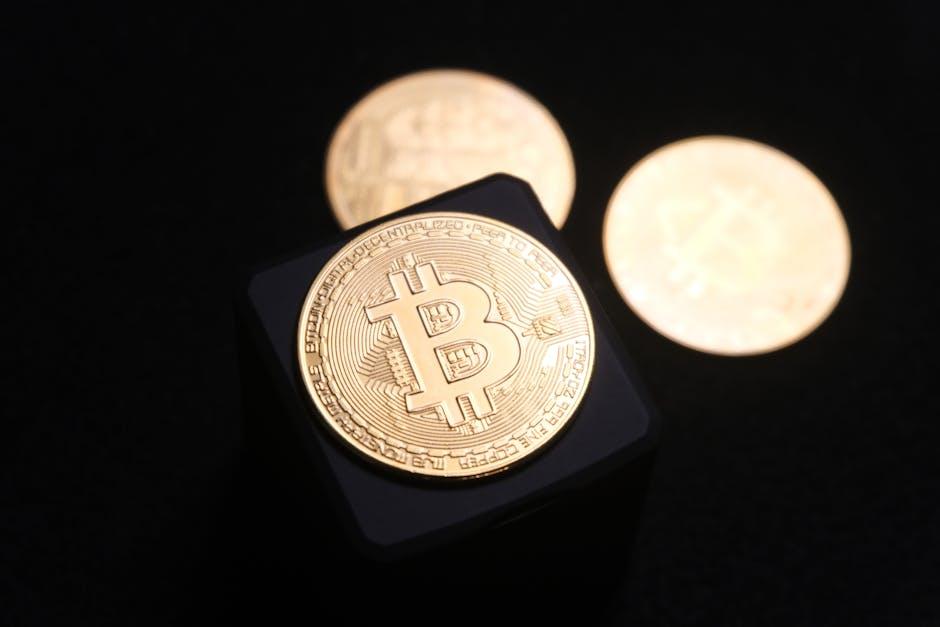
In the ever-evolving landscape of cryptocurrency, the significance of sats-or satoshis-cannot be overstated. Each Bitcoin is divisible into 100 million satoshis, allowing for unparalleled granularity in transactions. This divisibility not only enhances Bitcoin’s utility as a medium of exchange but also makes it more accessible to a broader audience.With the total supply capped at 21 million Bitcoins, the finite number of 2.1 quadrillion satoshis serves as a crucial component in establishing both the scarcity and value of Bitcoin in financial markets. This structure attracts investors of all sizes, from institutional players to everyday users looking to participate in the digital economy.
The capacity for such divisibility addresses the common misconception that Bitcoin is only suitable for high-value transactions. In fact, the capability to transact in smaller increments permits users to engage in microtransactions, facilitating new business models and economic interactions. For example, services can be priced in satoshis, enabling users to make small purchases for digital goods or services without the need to convert to fiat currency. As the world shifts toward digital payments, this versatility positions Bitcoin, and by extension, its underlying unit, as an increasingly viable alternative to traditional payment systems.
Moreover, the emphasis on accessibility creates an inclusive habitat for individuals who may not have otherwise participated in the financial system.The ability to buy fractions of Bitcoin encourages more users, especially in developing economies, to engage with cryptocurrencies. As more people become aware of the potential of Bitcoin and its divisible nature, the role of satoshis will continue to evolve, driving adoption and facilitating peer-to-peer interactions at a scale previously thoght unattainable.this new paradigm not only democratizes access to financial resources but also lays the groundwork for a more decentralized financial landscape.
– Implications for investors: Navigating Scarcity and Market Dynamics
The intrinsic value of Bitcoin, often measured by its capped supply of 21 million coins, is fundamentally tied to the concept of scarcity. Each Bitcoin can be divided into 100 million smaller units known as satoshis, creating a total supply of 2.1 quadrillion satoshis.This finite nature presents a unique scenario for investors. As the adoption of Bitcoin grows, the limited supply may lead to increased demand, thereby significantly impacting its value. Investors must navigate this scarcity, as even minor fluctuations in demand can have outsized effects on prices.
additionally, the market dynamics surrounding Bitcoin and its satoshis are influenced by a variety of factors, including regulatory changes, technological advancements, and macroeconomic trends.The evolution of blockchain technology enhances the utility of Bitcoin, potentially driving further interest from institutional investors. As more entities seek to hedge against inflation and global economic instability, the finite nature of satoshis becomes a more critical element to consider.Investors should closely monitor how external pressures can sway market sentiment and affect their holdings.
understanding the competitive landscape is crucial for investors in this space. As cryptocurrencies proliferate, the unique positioning of Bitcoin as the first and most recognized digital asset plays a significant role in its market behavior. with limited supply, combined with growing use cases, investors face the challenge of discerning which factors will truly drive value over time. Staying informed about technological developments, market trends, and global adoption rates will be essential in navigating the complexities of investing in this finite digital currency.
– future Outlook: Innovations and Trends Shaping the Use of Satoshis
As the cryptocurrency landscape evolves,the utility and adoption of Satoshis,the smallest denomination of Bitcoin,are becoming increasingly significant. Innovations such as the Lightning Network are paving the way for high-speed and low-cost transactions, making microtransactions feasible for everyday use. by facilitating instant payments, this technology could enhance the overall user experience, enabling fractional payments for products and services and potentially expanding the market for Bitcoin-related commerce.
Furthermore, the integration of smart contracts into the Bitcoin ecosystem holds the promise of establishing more complex financial interactions using Satoshis. With projects like RSK (Rootstock),developers are exploring ways to create decentralized applications and financial instruments that rely on Bitcoin’s security while operating in a programmable environment. This capability could lead to new business models where Satoshis are used not only as currency but also as a medium for executing automated agreements in a trustless manner.
Additionally, the rise of decentralized finance (DeFi) protocols could reshape how users perceive and utilize Satoshis. As platforms emerge that enable lending, borrowing, and trading of assets directly on the Bitcoin network, Satoshis may become a preferred currency for a growing number of decentralized applications. The potential to earn yields or access liquidity against Bitcoin holdings may draw in traditional investors and crypto enthusiasts alike, broadening Satoshi’s appeal and contributing to its value variability in a rapidly changing digital economy.
the exploration of the finite realm of 2.1 quadrillion satoshis reveals not just the technical intricacies of Bitcoin’s underlying architecture, but also its implications for the broader financial landscape. As the smallest unit of Bitcoin, a satoshi embodies a shift towards decentralized currency and the democratization of finance. with only 21 million Bitcoins to be mined, the scarcity inherent in this system raises critical questions about value, investment, and accessibility in the digital economy.
as we navigate an increasingly digital world, understanding the significance of satoshis-along with their finite nature-becomes paramount for investors, enthusiasts, and policymakers alike. The inherent limitations not only challenge traditional economic principles but also pave the way for innovative financial solutions. As interest in cryptocurrencies continues to grow, comprehending the implications of every satoshi could be key to navigating the future of finance. Thus, the journey through the finite landscape of 2.1 quadrillion satoshis is more than an examination of numbers; it is indeed a glimpse into the evolving paradigms that will shape the economy of tomorrow.

