

The Diverse World of Shrimp: Types and Characteristics
shrimp are among the most popular seafood options worldwide, notable for their diverse species and unique characteristics. They are primarily classified into two broad categories: wild-caught and farm-raised. Wild-caught shrimp are harvested from oceans, which can have a range of flavors and textures depending on their habitat. On the other hand, farm-raised shrimp are cultivated in controlled environments, ensuring consistency in size and taste. This distinction is crucial for consumers who prioritize sustainability and quality in their seafood choices.
Within the vast range of shrimp species, several stand out due to their distinct flavors and uses in culinary practices. As an example, Gulf shrimp are known for their sweet taste and are commonly used in Southern cuisine, especially in dishes like jambalaya and shrimp and grits. Another popular variety, tiger shrimp, recognizable for their striped shells, are larger and have a firmer texture, making them ideal for grilling or sautéing. Pink shrimp, celebrated for their tender flesh and mild flavor, are often featured in salads or light pasta dishes, further showcasing the versatility of these crustaceans.
In addition to their culinary significance,the various species of shrimp play unique roles in their ecosystems. They serve as essential food sources for a variety of marine life, including fish and birds. Understanding the differences among shrimp types not only enhances the dining experience but also fosters a deeper appreciation for their ecological importance. When choosing shrimp, consumers should consider factors such as the species, sourcing practices, and environmental impact to make informed decisions that contribute to lasting seafood consumption.
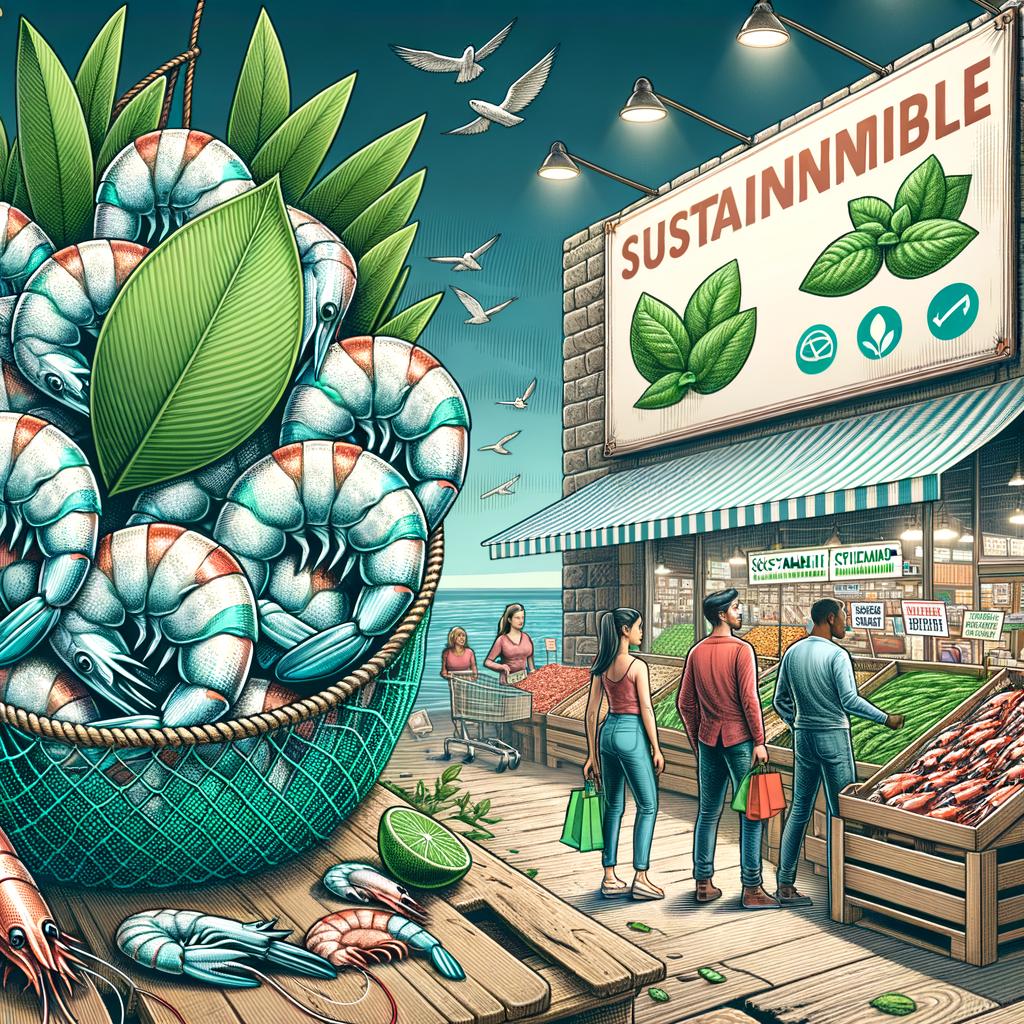
sustainable sourcing: How to Choose Environmentally Friendly Shrimp
When choosing shrimp,it is indeed crucial to consider their sourcing to minimize environmental impact. Wild-caught shrimp can frequently enough be more sustainable than farmed varieties, but this is not always the case. Look for shrimp captured using methods that avoid bycatch and protect marine habitats. The best indicators of sustainability include certifications from recognized organizations such as the Marine Stewardship Council (MSC) and the Aquaculture Stewardship council (ASC), which ensure responsible fishing practices and reduced ecological footprints.
Farmed shrimp can also be a sustainable choice, provided they are raised in environmentally friendly systems. Pond-based farming can lead to habitat destruction and pollution if not managed correctly. seek out shrimp that are farmed in recirculating aquaculture systems (RAS) or contact-based farming that adhere to strict environmental standards. Pay attention to labels that specify shrimp raised without the use of harmful antibiotics or chemicals, as these practices not only impact water quality but also human health.
Consumer awareness plays a important role in promoting sustainable practices. Being informed about the origins of your shrimp can create demand for environmentally responsible products. Consider participating in community-supported fisheries (CSF) or supporting local businesses that prioritize sourcing shrimp in a sustainable manner. By making conscientious choices, consumers can encourage a market shift towards more ethical practices and help preserve marine ecosystems for future generations.
Culinary Adventures: Preparing and Cooking Shrimp to Perfection
When it comes to cooking shrimp, mastering readiness techniques is essential for achieving the best flavor and texture. Start by selecting high-quality shrimp,which can be fresh,frozen,or peeled. The shrimp should have a mild sea smell and a firm texture. Prior to cooking, it’s crucial to thaw frozen shrimp if you are using them; this can be done by placing them in cold water for about 20-30 minutes. Onc thawed, remove the shells and devein the shrimp, ensuring a more enjoyable dining experience.
Cooking methods for shrimp are versatile, allowing for exploration of different flavor profiles. Whether you choose to grill, sauté, steam, or bake, each technique brings its unique characteristics. For grilling, marinate the shrimp in a blend of olive oil, garlic, and herbs for extra flavor. When sautéing, aim for a high heat to quickly sear the shrimp, which will help to lock in moisture. Cooking shrimp typically takes only 2-3 minutes per side, as it cooks rapidly and can become rubbery if overcooked.
Pairing shrimp with complementary ingredients can elevate a dish to new heights. Try combining shrimp with bold flavors such as citrus, spicy seasonings, or aromatic herbs. Create a refreshing shrimp cocktail by serving chilled shrimp with a zesty cocktail sauce or toss them into a vibrant salad with avocado and mango. For pasta lovers,shrimp can be a delightful addition to creamy sauces or light tomato-based dishes,enriching the meal with both protein and flavor.
As we conclude our exploration of shrimp, it is evident that this versatile seafood is far more than just a culinary delight. From its diverse varieties-ranging from sweet and delicate to hearty and robust-to its nutritional benefits and sustainable sourcing practices, shrimp provides a tantalizing option for a variety of palettes. By choosing responsibly sourced shrimp and understanding the different types available, seafood enthusiasts can enjoy this delicacy while supporting ocean health and sustainability. Whether you savor it in a classic shrimp cocktail or experiment in innovative dishes, shrimp continues to capture the hearts of food lovers worldwide. armed with this knowledge, you are now better equipped to appreciate and enjoy shrimp in its many forms. Happy cooking!

