

Identifying Market Trends in Bitcoins Evening Movement
Monitoring the evening movement of Bitcoins (BTC) offers valuable insights into market trends. Evening highs and lows provide crucial information about market sentiment and momentum. Consistent evening highs indicate sustained buying pressure, while evening lows signal potential support levels.
Similarly, closing price patterns can reveal market dynamics. A series of higher closing prices suggests an upward trend, while lower closing prices indicate a downward trend. Investors should also pay attention to the volume of trades during evening hours. High volume indicates increased market activity and potential volatility, while low volume may suggest a period of consolidation or indecision.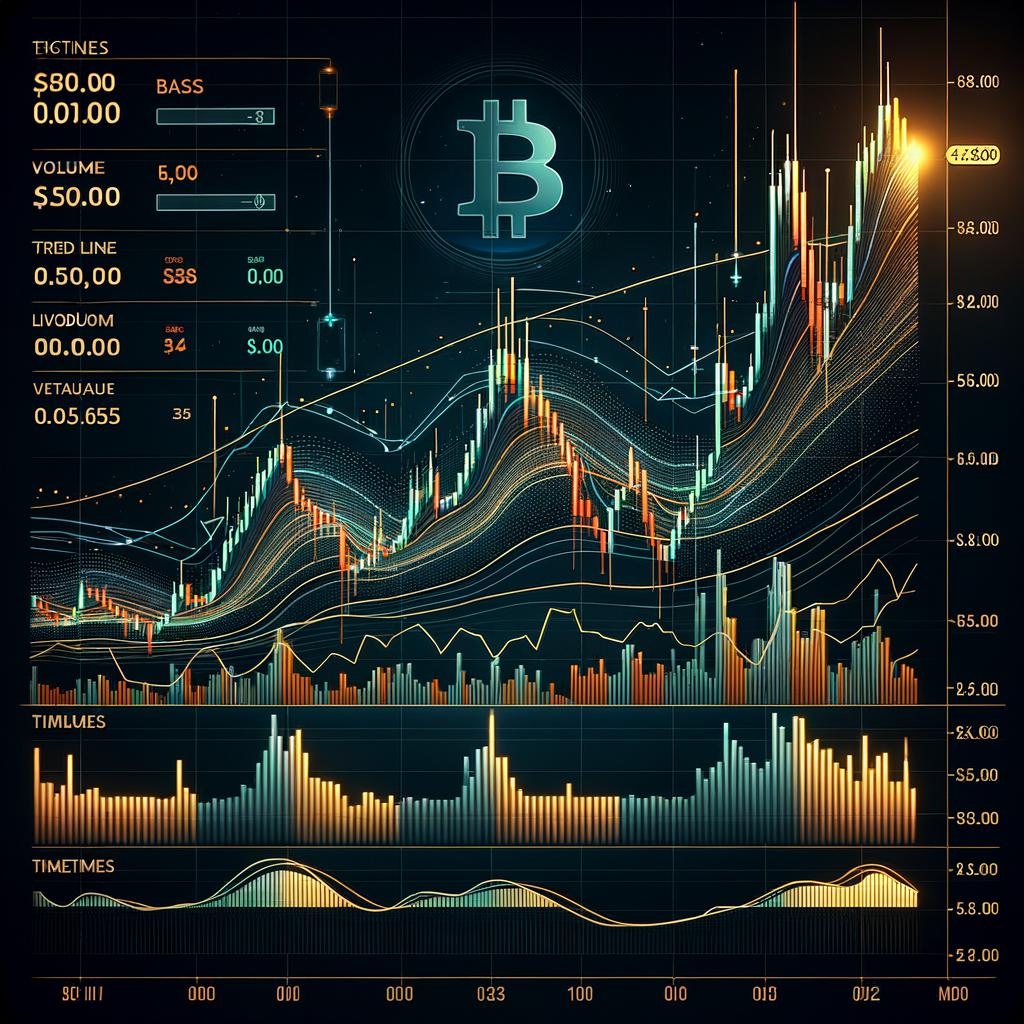
Analyzing Trading Volume and Market Depth
Trading Volume
Trading volume measures the number of units or shares of a financial asset that are bought and sold over a specified period. High trading volume indicates strong interest in an asset, potentially leading to price movements. Traders can use volume to gauge market sentiment and identify potential trading opportunities. Sudden spikes or drops in volume can signal a shift in market momentum.
Market Depth
Market depth refers to the amount of liquidity available at different price levels. A deep market has a large number of orders both to buy and sell, which contributes to stable prices and reduces the risk of slippage. A shallow market, on the other hand, has fewer orders and can experience sharp price changes. Traders can assess market depth by examining order book levels, which display the number of orders waiting to be executed at each price point. By understanding market depth, traders can make informed decisions about their entries and exits.
Correlation of Price Action with Global Market Activity
Global Economic Events
Major economic events, such as interest rate changes by central banks, geopolitical tensions, and shifts in global trade policies, can have a significant impact on currency values. For example, rising interest rates in the United States have made the US dollar more attractive to investors and have led to an increase in its value. Similarly, escalating tensions between the United States and China have impacted the value of the Chinese yuan.
Commodity Prices
The prices of certain commodities, such as oil and gold, can also influence currency values. When the global demand for a commodity rises, its price increases. This increase can make the currency of the country that produces the commodity more valuable. For instance, when the price of oil rises, it makes the currencies of oil-producing countries, such as Saudi Arabia and Russia, more valuable.
Leveraging News and Sentiment Analysis
News and sentiment analysis can provide valuable insights for market research and competitive intelligence. By analyzing the sentiment of news articles, financial reports, and social media posts about specific companies, industries, or events, organizations can gauge public opinion, identify potential risks and opportunities, and track their own reputational standing.
Sentiment analysis tools typically employ machine learning algorithms to classify text as positive, neutral, or negative. Advanced tools can also extract finer-grained sentiment, such as sarcasm or ambivalence. This information can be further analyzed to understand the driving factors behind public sentiment and to identify influencers and thought leaders.
Forecasting Potential Market Shifts in the Evening Hours
Identifying Evening Trading Patterns:
Observing trading patterns during evening hours, when retail investors are often less active, can prove valuable in anticipating potential market shifts. High volatility and thin liquidity make this period susceptible to sudden swings. Traders should monitor key indicators such as news releases, corporate announcements, and geopolitical events, which can trigger price fluctuations in illiquid markets. Analyzing market depth and order book data can reveal potential imbalances and, combined with historical data, help identify probable reversal points.
Sentiment and Technical Analysis:
Analyzing market sentiment and using technical indicators becomes crucial during evening hours. Monitoring social media platforms, news articles, and investor forums can provide insights into prevailing market sentiment and potential shifts. Combining this with technical analysis, such as trendlines, support and resistance levels, and moving averages, empowers traders to forecast potential breakouts and identify profit opportunities. Moreover, understanding market psychology and the behavior of large, institutional players can assist traders in making informed decisions, as evening hours are often characterized by the interplay of institutional algorithms and retail traders seeking quick gains.
Strategies for Informed Evening Trading Decisions
Monitor Market News and Events: Keep abreast of breaking news, economic reports, and central bank announcements that can impact market sentiment. Economic data releases, such as Gross Domestic Product (GDP) and unemployment figures, can significantly influence currency movements. Follow reputable news sources and financial websites for real-time updates.
Analyze Technical Indicators: Utilize technical analysis tools to identify potential trading opportunities. Moving averages, such as the 50-day and 200-day, can provide insights into price trends. Bollinger Bands can help measure market volatility, while Relative Strength Index (RSI) gauges momentum. Incorporating these indicators into your strategy can help you identify overbought or oversold market conditions and determine optimal entry and exit points.
daily evening market analysis provides valuable insights into Bitcoin’s price movements. By monitoring trend lines, support and resistance levels, and indicators like the Moving Average, investors can gain a deeper understanding of the market dynamics. This knowledge can assist in making informed trading decisions and identifying potential opportunities. However, it’s crucial to combine technical analysis with a holistic view of market conditions, including news events, economic indicators, and broader sentiment. By incorporating both technical and fundamental analysis, investors can navigate the complexities of the Bitcoin market more effectively.