
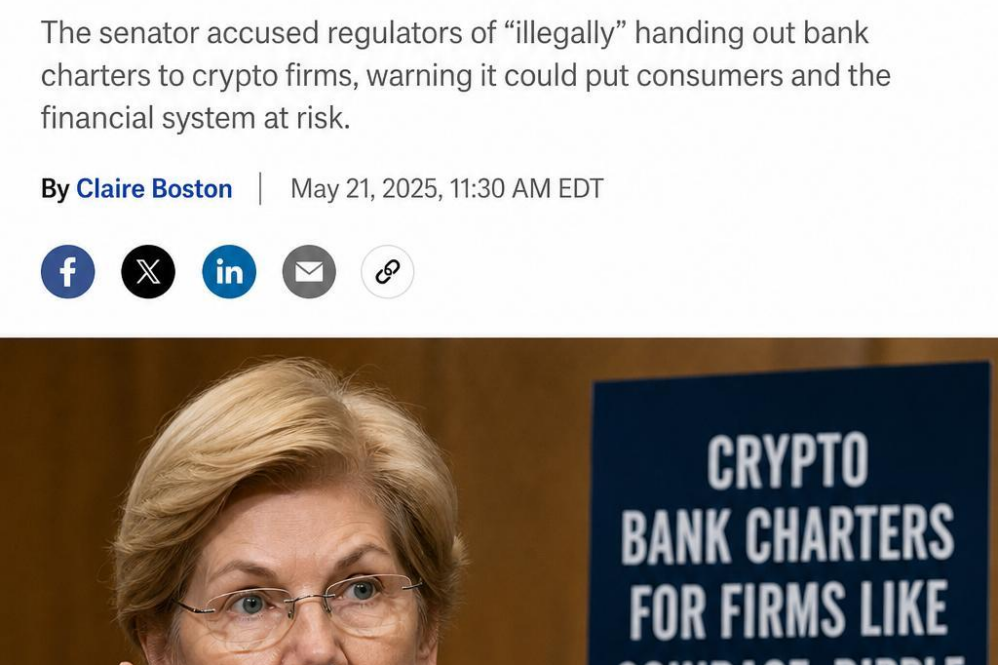
Elizabeth Warren’s Critique of Crypto Bank Charter Approvals and Legal Implications
Senator Elizabeth Warren has vocally challenged the recent approval of crypto bank charters granted to entities such as Coinbase and Ripple, asserting that these moves lack proper legal foundation. According to Warren,these charters bypass established regulatory frameworks and threaten to undermine the safeguards designed to protect consumers and the broader financial system. Her critique centers on the contention that the regulatory agencies involved have exceeded their authority, approving licenses that do not currently align with federal banking laws. This perspective raises critically important questions regarding the legal validity of these charters and the potential risks posed by introducing crypto entities into traditional banking channels without rigorous oversight.
- Legal ambiguity: Warren highlights uncertainties in the legislative framework governing crypto bank charters, emphasizing the need for clearer guidelines.
- Regulatory overreach concerns: She argues that approvals circumvent the role of Congress and established lawmaking processes.
- Consumer risk: The senator warns that insufficiently regulated crypto banks may expose customers to financial instability and fraud.
| Aspect | Elizabeth Warren’s Position | Implications |
|---|---|---|
| Regulatory Authority | Exceeded by agencies | Potential for legal challenges |
| Consumer Protection | Insufficient safeguards | Heightened risk exposure |
| Legislative Process | Bypassed Congress | Calls for legislative clarity |
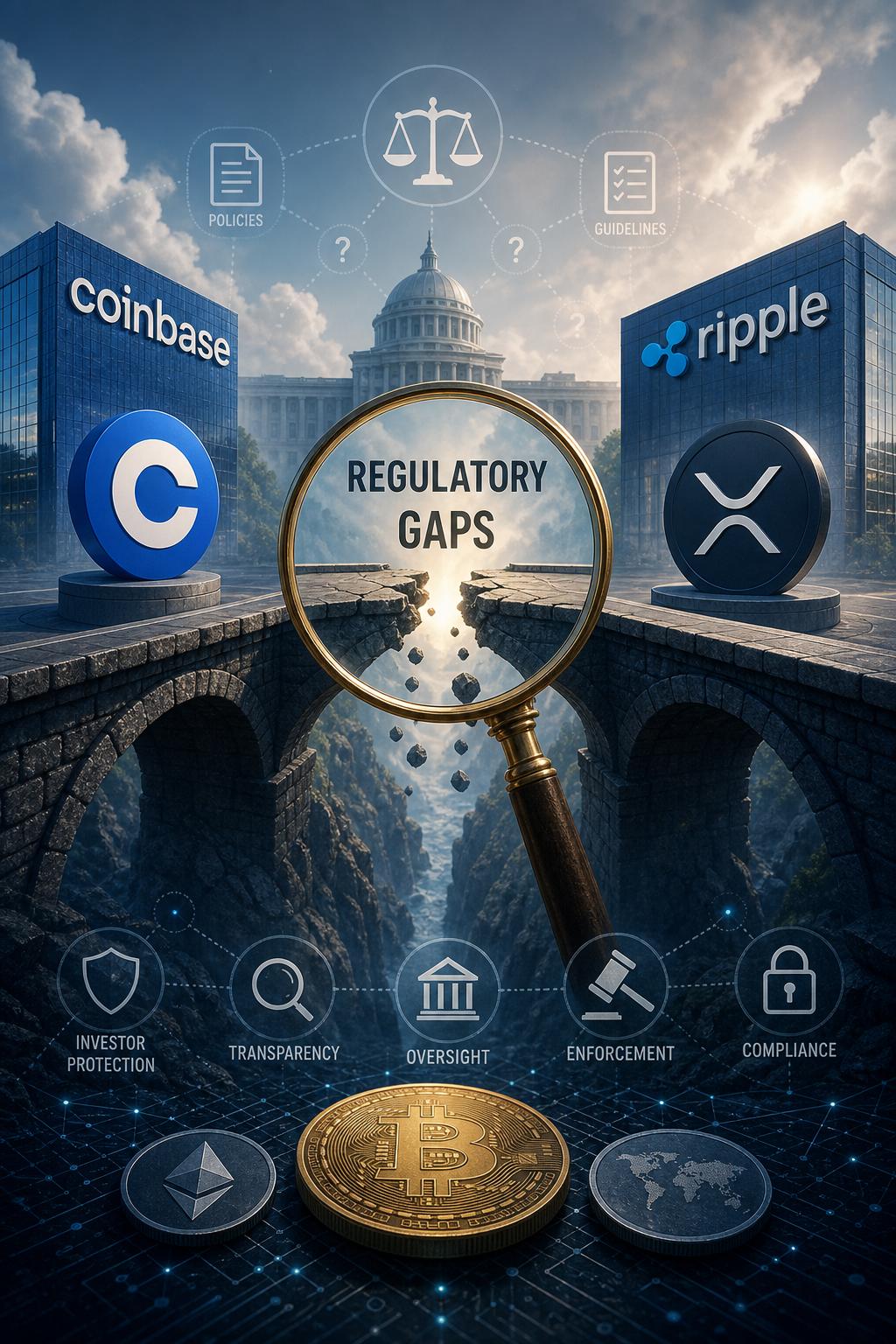
Analysis of Regulatory gaps in Approving Crypto Firms Like Coinbase and Ripple
the current regulatory environment reveals significant loopholes and inconsistencies when it comes to the approval process of crypto firms such as Coinbase and Ripple. Despite widespread adoption and innovation, federal and state agencies have yet to establish a unified framework, resulting in an opaque path for obtaining crypto bank charters. These gaps not only create uncertainty for investors but also raise concerns about the adequacy of consumer protections and the potential for regulatory arbitrage by prominent players in the industry.
Key challenges include:
- Lack of standardized criteria: Approval requirements vary widely across jurisdictions, leading to fragmented oversight.
- Ambiguity around digital assets classification: Inconsistent definitions complicate regulatory categorization and compliance.
- Limited coordination between agencies: Overlapping mandates cause delays and conflicting decisions.
| Regulatory Aspect | Impact on Crypto Firms |
|---|---|
| Bank Charter Approval | Inconsistent, slow processes hamper innovation |
| Consumer Protections | Varies substantially, leaving investors exposed |
| Compliance Standards | Lack of clarity increases legal risks |
Efforts to close these regulatory gaps must focus on fostering obvious, consistent rules that support both innovation and oversight.Without decisive action, the risk of regulatory fragmentation will continue to undermine trust and stability in the crypto market ecosystem.
Potential Risks and Consumer Protection Concerns in Crypto Banking Licenses
Crypto banking licenses represent a significant development in the digital assets space, aiming to integrate traditional financial oversight with blockchain innovation. However, they raise substantial concerns about consumer protection and regulatory gaps.Critics argue that issuing charters to companies like coinbase and Ripple could expose investors to elevated risks, given the volatility of cryptocurrencies and potential for market manipulation. The absence of a uniform regulatory framework invites inconsistencies that may impede effective supervision, leaving consumers vulnerable to fraud, insolvency, or opaque operational practices.
Addressing these risks requires robust safeguards, including:
- Transparent disclosure of all operational risks and financial health indicators;
- Stringent capital requirements to ensure liquidity and solvency under market stress;
- Clear consumer recourse mechanisms for incident management and dispute resolution;
- Enhanced regulatory coordination between federal and state agencies to prevent regulatory arbitrage.
| Risk Type | Potential Impact | Mitigation Strategy |
|---|---|---|
| Market Volatility | Value fluctuations leading to consumer losses | Stress testing and capital buffers |
| Regulatory Uncertainty | Inconsistent oversight and enforcement | Unified regulatory frameworks |
| Fraud & Cyber Risks | Loss of funds and data breaches | Advanced cybersecurity protocols |
Strategic Recommendations for Strengthening Crypto Regulatory Frameworks
To fortify the regulatory environment surrounding crypto institutions,policymakers must prioritize establishing clear and consistent guidelines that align with existing financial laws while accommodating the innovative nature of blockchain technology.This woudl involve close collaboration between regulatory bodies, industry experts, and legal authorities to draft frameworks that eliminate ambiguity over the status and operational capabilities of crypto firms. Implementing a unified federal approach can prevent fragmented regulations that currently hinder market confidence and stifle growth, thereby reducing legal disputes over charter approvals such as those contested by Elizabeth Warren.
- Standardize licensing processes to provide transparency and predictability.
- Enhance compliance oversight with dedicated crypto regulatory divisions.
- Incorporate adaptive policies that evolve alongside technological advancements.
Moreover, regulatory frameworks should integrate robust consumer protection measures to mitigate risks without compromising innovation. This can include mandatory disclosure requirements, rigorous anti-money laundering (AML) protocols, and clear accountability mechanisms. By instituting these reforms, regulators can foster a safer environment that encourages institutional participation, protects investors, and supports the sustainable development of the crypto sector.
| Regulatory focus | Key Action | Expected Outcome |
|---|---|---|
| Licensing | Unified standards across states | Reduced legal conflicts |
| Compliance | Dedicated crypto oversight units | Improved enforcement |
| Consumer Protection | Mandatory transparency rules | Increased investor trust |