

The US Department of Justice (DOJ) has stepped in to challenge the proposed jury questions of crypto entrepreneur and FTX CEO Sam Bankman-Fried, calling the questions “intrusive and disproportionate.” The statement, released today by the DOJ, is a direct rebuttal to Bankman-Fried’s proposed set of questions, which he hoped to ask during jury selection in his ongoing civil trial.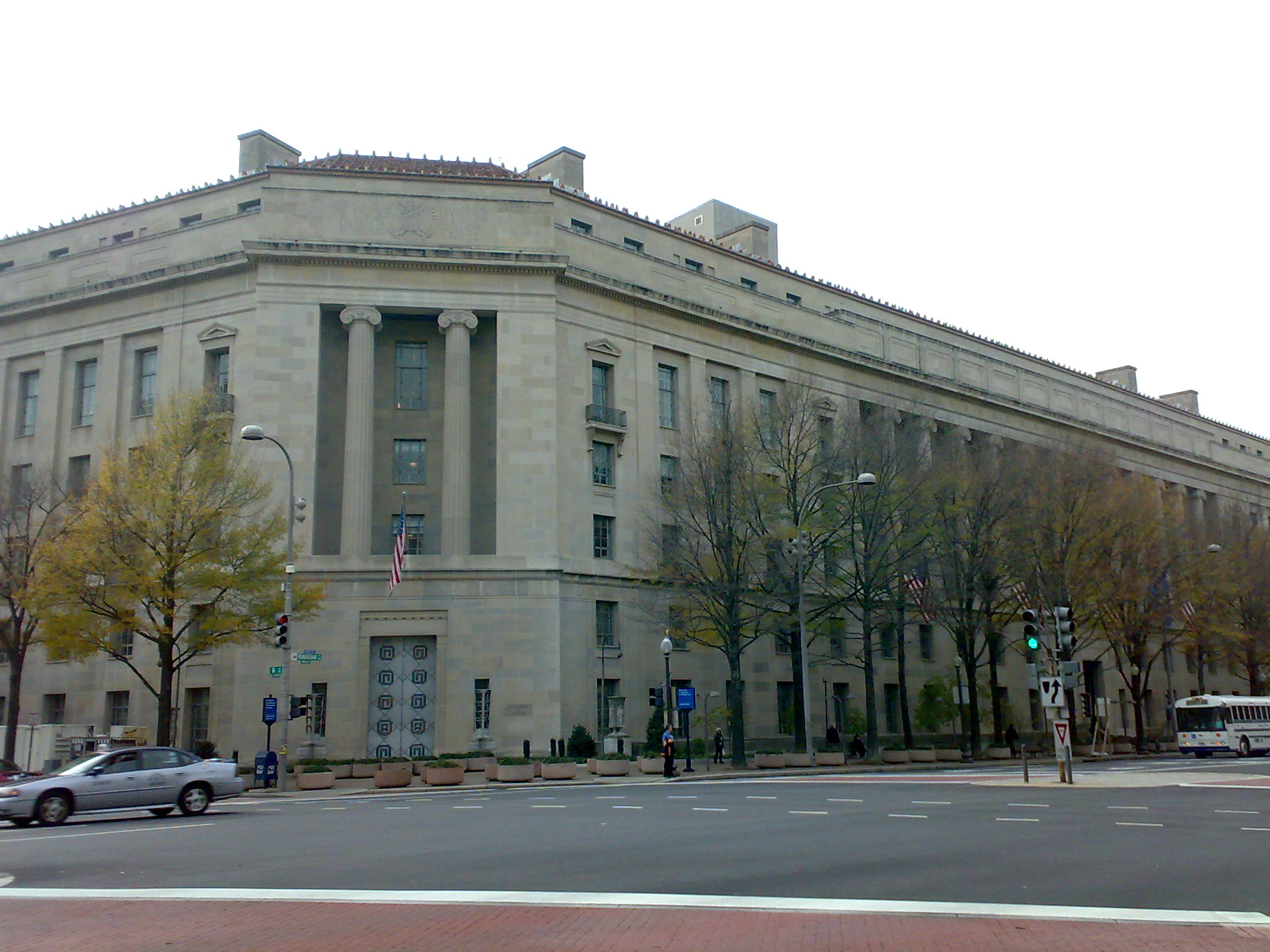
1. U.S. Department of Justice Criticizes FTX’s Proposed Jury Questions
The U.S. Department of Justice has raised serious concerns over FTX’s proposed jury questions. They said the questions could effectively limit jurors’ ability to properly evaluate evidence in a fair and unbiased manner. DOJ indicated that the proposed questions “inappropriately favor an accused’s position” and “significantly restrict the type of evidence relevant” to deciding guilt or innocence.
Judge Mark Rippon, who is presiding over the case, appeared to be in agreement with the DOJ’s position. He said prospective jurors are “entitled to consider any evidence material to form an opinion” and that the proposed questions “would be in direct violation of that right.”
The Department of Justice has proposed substituting FTX’s questions with additional questions, designed to preserve potential juror’s rights to consider all evidence. Some of the questions include:
- Do you have any preconceived opinions that might hinder your ability to be fair and impartial?
- Are you willing to consider all evidence introduced in court?
- What, if any, prior experience do you have with similar cases?
The judge has not yet ruled on the matter but it appears that FTX’s proposed questions may not go to the jury. This is a developing story and more updates will be provided as the information becomes available.
2. Sam Bankman-Fried’s Controversial Attempt at Shaping Justice System
Sam Bankman-Fried, software entrepreneur and founder of FTX cryptocurrency exchange, is making headlines for his bold attempt to shape the justice system. Last month, he announced a $10 million effort focused on improving the sequence of events stemming from a criminal conviction. The initiative, known as the Criminal Justice and Policing Reform Fund, is meant to make a difference by focusing on officers, investigators, prosecutors and other justice workers.
The plan includes developing technologies and systems that could help mitigate racial inequalities within the criminal justice system, such as systems to monitor police behavior. Additionally, Bankman-Fried has stated that he wants to use AI to get court transcripts as quickly as possible and analysis algorithms to understand crime trends.
Banman-Fried’s initiative has not been without its controversies however. Edition reports that some Gallup police chiefs believe the initiative could be counterproductive and said that the tech entrepreneur should have consulted with law enforcement first. But Bankman-Fried is confident that he can bring change: “Doing something in criminal justice is very important and there is a lot that can be done to make a better system.”
3. DOJ Rejects FTX’s Request as “Overly Intrusive
The Department of Justice (DOJ) has rejected the request submitted by the digital asset exchange firm FTX to allow its US customers to register via International Bank Account Number (IBAN).
The request was deemed “overly intrusive” and in direct violation of consumer financial protection regulations, as well as the USA Patriot Act, according to the internal DOJ department memorandum. An anonymous source within the DOJ department also revealed that FTX’s request placed an “unusually high burden” on its customers and that it “ignored key consumer protection laws”.
Among the other issues cited by the DOJ include:
- The use of IBAN numbers would have required customers to submit sensitive personal information, such as home addresses, phone numbers, and Social Security numbers, for global tracking.
- It would have enabled FTX to monitor its customers’ international transactions, a step that the DOJ department felt was unnecessary.
- The IBAN system would have imposed strict burdens on customers even if their transactions were limited to US-based addresses.
With this decision, the DOJ has once again shown its commitment to protecting the safety and privacy of its citizens. The ruling also adds a layer of protection against any suspicious activity regarding US citizens which could make them vulnerable to threats from abroad.
Sam Bankman-Fried’s proposed jury questions drew the ire of the Department of Justice, condemning them as intrusive and ultimately short-lived. With the DOJ having drawn a line in the sand, it appears that the saga of Sam Bankman-Fried’s proposed jury questions has come to an end.