

Introduction: Doing Business with Russia: Opportunities and Challenges
In an era defined by globalization, Russia stands as a formidable player on the international stage, rich in natural resources and burgeoning markets. Yet, doing business in Russia comes with a complex maze of opportunities and challenges that can make or break an investor’s venture. From its vast energy reserves to a large consumer base, the potential for profit is palpable. However, navigating the intricate web of regulatory frameworks, cultural nuances, and shifting geopolitical landscapes requires not only strategic foresight but also a nuanced understanding of the country’s unique economic habitat. As businesses eye the Russian market with curiosity and caution, this article explores the key factors influencing commercial engagements in Russia, providing insights for companies looking to penetrate this enigmatic yet promising terrain.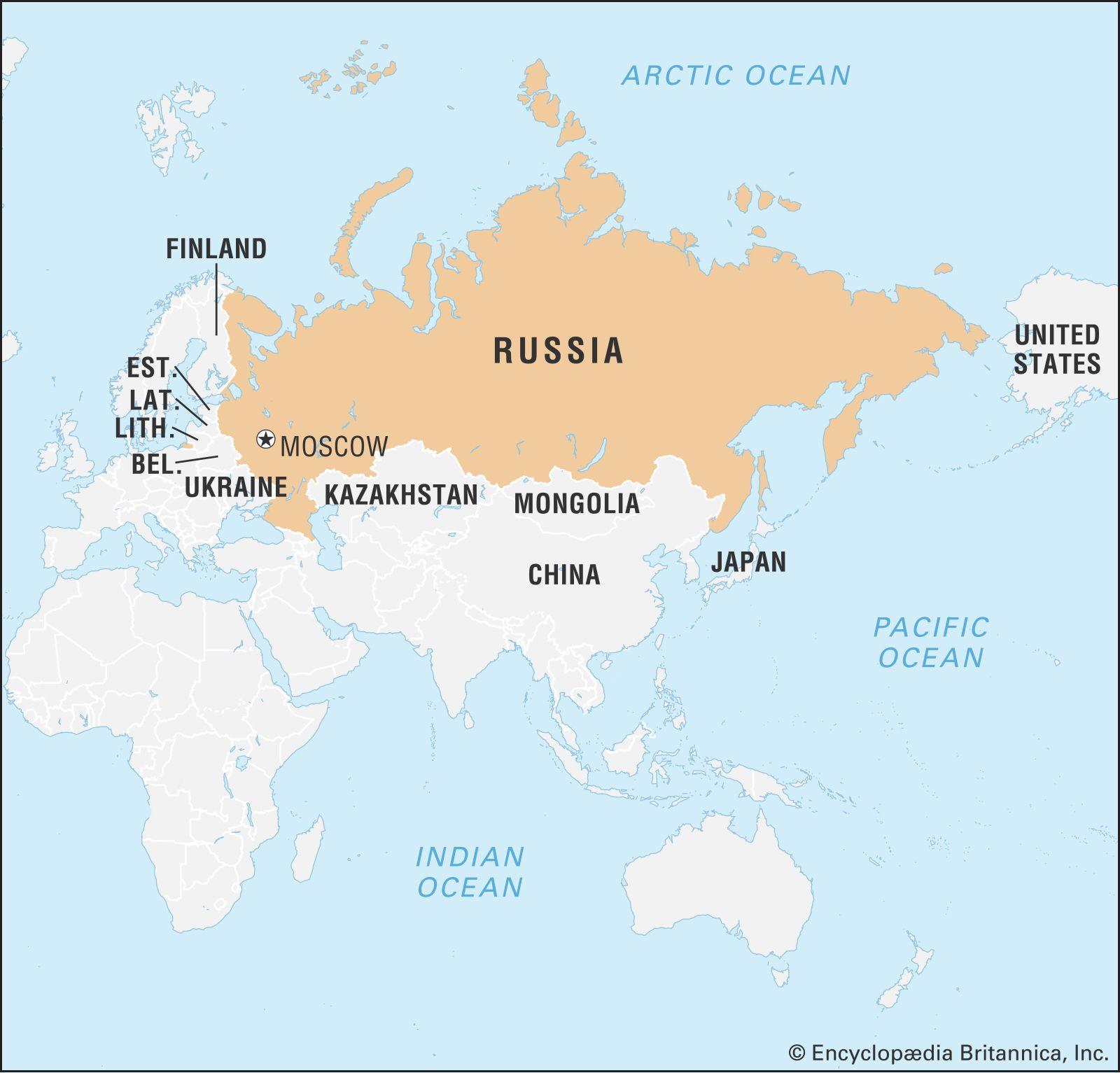
Understanding the Regulatory Landscape for Business in Russia
Russia’s regulatory framework can be complex and often requires businesses to navigate through a myriad of laws and regulations that govern commercial activities. Understanding these regulations is imperative for foreign entities looking to establish or expand their operations within the country. The legal environment is influenced by a mix of federal laws, regional legislation, and sector-specific regulations, which can affect everything from corporate taxation to labor laws and environmental protection.
Key aspects of the regulatory landscape include:
- Business Registration: Foreign businesses must comply with registration requirements through the Federal Tax service, which includes submitting necessary documentation and paying applicable fees.
- Licensing: Certain industries, such as telecommunications and energy, require specific licenses to operate legally. Compliance with these licenses is crucial to avoid penalties.
- Tax Regulations: corporate taxation can vary significantly depending on the business structure and location, making it essential to be well-versed in local tax laws to optimize financial performance.
To further illustrate the diverse regulatory requirements, the following table outlines critical areas of regulation and their implications for businesses:
| Regulatory area | Implications for Businesses |
|---|---|
| Corporate governance | Regulations dictate how companies must be structured and operated, affecting decision-making processes. |
| Labor Laws | Foreign companies must adhere to Russian labor laws, including employment contracts and workplace safety standards. |
| Foreign Investment Regulations | These regulations govern the extent to which foreigners can participate in various sectors, with some industries restricted or requiring government approval. |

Navigating Cultural Nuances to Build Stronger partnerships
Understanding the cultural landscape of Russia is pivotal for any business looking to establish strong partnerships. The country’s rich history, diverse regions, and unique customs all play a crucial role in shaping interpersonal interactions. To successfully navigate these waters, it is essential to embrace the following key points:
- Respect Hierarchical Structures: Russian society tends to value hierarchy in both personal and professional settings. Acknowledging and respecting the roles of authority figures can enhance trust and facilitate smoother negotiations.
- Build Personal Relationships: Russians often prefer to do business with those they know and trust. Investing time in building personal relationships can led to more fruitful partnerships.
- Communicate Clearly and Directly: While subtlety can be appreciated, directness in dialog is often regarded as honesty. Avoid ambiguous statements and strive for clarity in your discussions.
Moreover, language barriers and regional dialects can pose challenges in communication. While many Russians speak English, relying solely on this might lead to misunderstandings. Consider hiring a professional translator or learning key phrases in Russian. here’s a simple table that highlights key phrases that may help bridge communication gaps:
| English | Russian | Transliteration |
|---|---|---|
| Hello | Здравствуйте | Zdravstvuyte |
| Thank you | Спасибо | Spasibo |
| Yes | Да | Da |
| No | Нет | Net |
being aware of local customs and traditions can significantly contribute to a successful business relationship. Russians often take pride in their heritage and appreciate when foreign partners show interest in their culture. Some noteworthy cultural practices include:
- Gift Giving: Bringing a small, thoughtful gift when visiting can be seen as a positive gesture. Simple items from your home country can leave a lasting impression.
- Dining Etiquette: Meals often play a crucial part in relationship building. Accepting invitations to dine is a good prospect to strengthen allies and establish rapport.
- Understanding Holidays: Familiarize yourself with Russian holidays and festivities, as they can provide insight into local values and priorities.
Strategies for Mitigating Risks in the Russian Market
Engaging in the Russian market presents unique challenges,and businesses must adopt comprehensive strategies to safeguard their investments. one effective approach is to conduct thorough market research to understand the local business environment, consumer behavior, and regulatory landscape. Fostering relationships with local partners can also provide invaluable insights into navigating bureaucratic hurdles and cultural nuances. This collaborative approach not only aids in risk management but also enhances credibility within the market.
Moreover, establishing a strong legal framework is crucial for risk mitigation. Corporate compliance with Russian laws and regulations helps protect against potential legal issues. Businesses should consider:
- Engaging local legal experts to navigate the complexities of russian legislation.
- Implementing robust contracts that outline terms clearly to avoid disputes.
- insurance coverage for political or economic risks can safeguard against unforeseen losses.
Furthermore, maintaining flexibility is essential in a rapidly changing environment. companies should prepare contingency plans to adapt to shifts in political and economic climates. This can involve:
- Regularly reviewing and revising strategic goals based on market dynamics.
- Investing in technology to improve operational efficiency and resilience.
- Establishing crisis communication protocols to address potential public relations challenges.
Through these measures,businesses can enhance their ability to thrive in the Russian marketplace while effectively managing potential risks.

Leveraging Technological Advancements to Enhance Competitive Edge
In the competitive landscape of international business, companies looking to strengthen their foothold in Russia are increasingly turning to technology. By integrating innovative tools and platforms, organizations can optimize their processes, improve customer engagement, and adapt their strategies to meet the local market’s demands. As an example,leveraging big data analytics allows businesses to understand consumer preferences and drive targeted marketing efforts,ultimately enhancing brand loyalty.
Moreover, automation and artificial intelligence (AI) play pivotal roles in streamlining operations across various sectors.Companies can implement AI-driven chatbots for effective customer support, reducing response times and enhancing user experience. As companies in Russia adopt these technologies, those that embrace such innovations can significantly improve their operational efficiency and responsiveness, setting themselves apart from competitors who may still rely on traditional methods.
Additionally, the rise of fintech solutions is reshaping the business landscape, making transactions quicker and more secure. With the integration of blockchain technology, firms can ensure clarity and build trust with local partners. Establishing robust cybersecurity measures is also essential for safeguarding sensitive details. By focusing on these technological advancements, businesses position themselves to navigate the complexities of the Russian market while achieving sustainable growth.
Final Thoughts
navigating the complexities of doing business with Russia requires a nuanced understanding of the geopolitical landscape, cultural dynamics, and economic environment. As international sanctions and political tensions evolve,companies must remain vigilant and adaptable,employing strategies that not only comply with regulations but also foster genuine relationships with Russian partners. By staying informed and embracing best practices tailored to this unique market, businesses can find opportunities for growth and collaboration. As we move forward, the potential for success in the Russian market continues to hinge on the ability of firms to balance risk with strategic engagement.