

The Essential Role of Nonce in Transaction Verification
The nonce, short for “number only used once,” is a fundamental element in the process of verifying transactions on a blockchain. every transaction that occurs within a blockchain network is assigned a unique nonce, ensuring that each transaction can be independently verified and is distinct from others. This uniqueness is critical in preventing issues like double-spending, where the same digital currency could be spent more than once, undermining the integrity of the entire system.
In the context of transaction verification, the nonce serves several key purposes:
- Prevention of Double-spending: By assigning a unique nonce to each transaction, the blockchain can easily track and confirm that each unit of currency has not been spent elsewhere.
- Enhancing Security: The unique identifier that nonce provides contributes to the cryptographic security of the blockchain, making it computationally prohibitive for malicious actors to alter past transactions.
- Facilitating Consensus Mechanisms: Nonce values are also essential for consensus algorithms, allowing nodes within the network to reach an agreement about the validity and order of transactions.
The process of generating and verifying nonces requires important computational effort, especially in proof-of-work systems. Miners must find a nonce that produces a hash lower than a specified target, which ensures that adding a new block to the blockchain is a resource-intensive task. This requirement not only enhances security but also helps to regulate the creation of new blocks, preventing any single entity from gaining excessive control over the network. Consequently, the nonce is pivotal in maintaining the balance and trust necessary for a decentralized and secure blockchain surroundings.
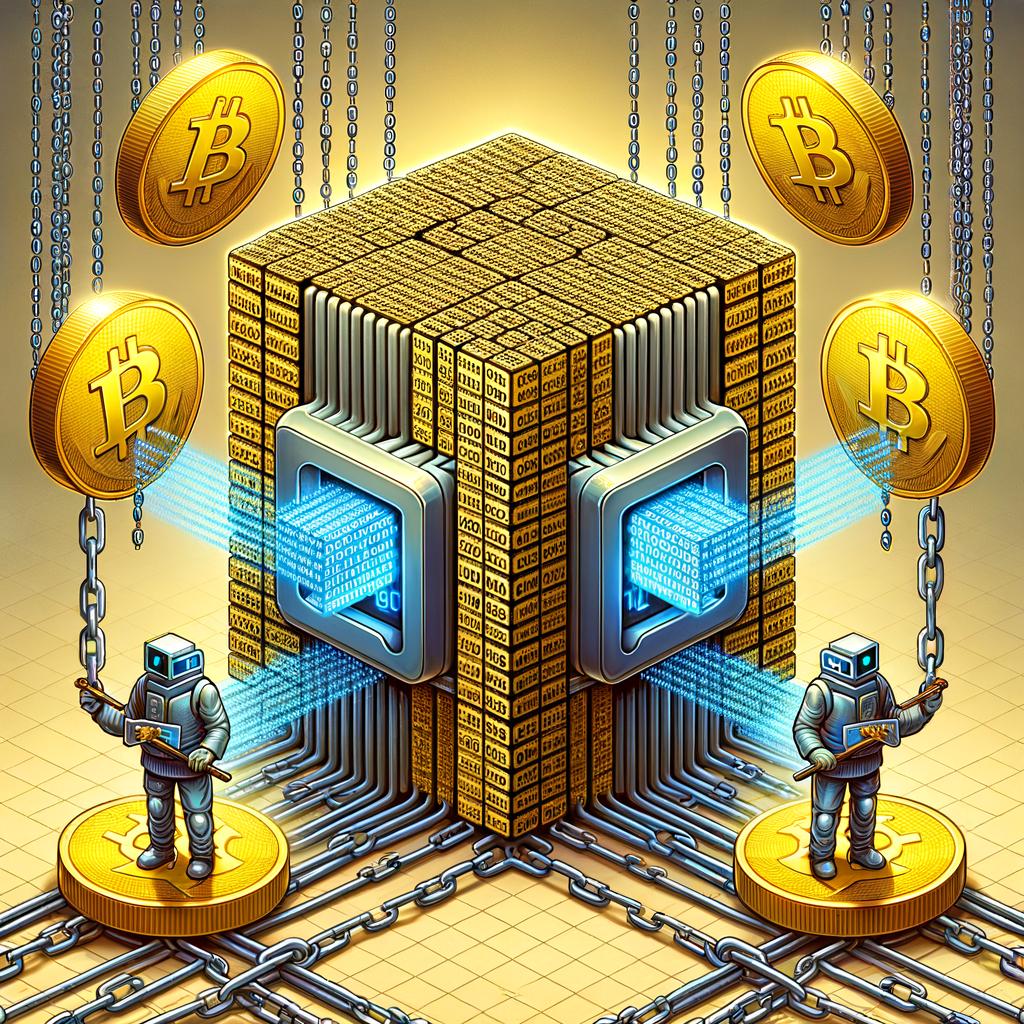
How Nonce Prevents Double Spending in Blockchain networks
The term “nonce,” which stands for “number used once,” is fundamental in ensuring that each transaction in a blockchain network is unique and verifiable. When a transaction occurs, a nonce is generated alongside it, and this unique numeric value acts as an identifier. This mechanism is crucial in the prevention of double spending, a scenario where a single digital token could be spent multiple times. Without a mechanism like the nonce, the integrity of the blockchain would be compromised, leading to potential fraud and inflation of the digital currency.
When miners process transactions, they include the nonce in the creation of a block. the mining process involves solving a complex cryptographic puzzle that depends not only on the transaction data but also on this uniquely generated nonce. The inclusion of the nonce ensures that even if two identical transactions are processed simultaneously occurring, they will lead to the creation of different hashes for each block. This distinct hashing mechanism serves as a safeguard, ensuring that only one of the transactions can be validated and written on the blockchain, thereby preventing any occurrence of double spending.
Moreover, the process of validating a block that contains a nonce is known to be computationally intensive, which further bolsters security. Each time a miner attempts to add a new block, they must find a valid nonce that meets specific conditions dictated by the network’s protocol. this requirement for continuous and rigorous testing of nonces considerably elevates the effort and resources needed to successfully double-spend. Thus, the strategically integrated nonce functions not only as an identifier for individual transactions but also acts as a formidable barrier against potential fraud in blockchain ecosystems.
Unlocking the Mysteries: Nonce and Its Impact on Blockchain Security
The nonce, or “number used only once,” is an integral component of blockchain technology that enhances both security and functionality. It serves as a unique identifier for each transaction or block, ensuring that no two records within the blockchain can be the same. This uniqueness plays a pivotal role in preventing what is known as double-spending, where a user attempts to spend the same cryptocurrency multiple times. By integrating a nonce into each transaction, networks can maintain meticulous transaction history, reinforcing trust and reliability within the ecosystem.
Moreover, the mining process in blockchain networks, especially those that rely on proof-of-work protocols, heavily depends on the nonce. Miners must calculate a valid nonce alongside the block’s hash to satisfy network difficulty. This involves a considerable amount of computational resources as miners compete to find that elusive number. Essentially, the nonce acts as a variable that miners manipulate to meet the required hash below a target value, ensuring that new blocks are validated and added to the blockchain in a secure manner. This game of chance not only secures the network but also incentivizes miners for their efforts.
Additionally,the effectiveness of the nonce extends beyond just transaction uniqueness and mining rewards. It creates a decentralized validation method, where the need for a trusted third party is eliminated. This decentralization enhances the security of the network by distributing authority and reducing the risk of single points of failure.Each nonce embedded in the blockchain acts as an additional layer of security, making it increasingly arduous for malicious actors to manipulate transaction data or alter the blockchain after it has been established. in this way, the nonce is not merely a number; it is a vital cornerstone supporting the entire framework of blockchain security.
the concept of the nonce transcends its role as a mere numerical placeholder; it is indeed a fundamental pillar in the edifice of blockchain security. By providing a unique identifier for each transaction, the nonce not only helps prevent double-spending but also fortifies the trust inherent in decentralized networks. As blockchain technology continues to evolve and integrate into various sectors,understanding the mechanics behind nonces becomes increasingly vital for developers,investors,and users alike. By demystifying this key component, we can foster greater awareness and gratitude for the complex systems that underpin digital currencies and smart contracts. Embracing this knowledge will empower us to navigate the rapidly changing landscape of blockchain and contribute to its future development.