

Understanding Crypto Dust: What It Is and Why It Matters
Crypto dust refers to the small amounts of cryptocurrency that remain after transactions. These leftover fractions can occur when sending amounts that do not equate to whole cryptocurrency units, resulting in tiny balances left in wallets. Typically, this situation arises from the way cryptocurrencies are divided into smaller units, frequently enough leading to negligible amounts that are impractical to use or trade. Crypto dust can accumulate in a wallet over time, resulting from multiple transactions, and may include suboptimal values that are frequently enough ignored by users.
The importance of crypto dust extends beyond mere inconvenience; it has several implications within the cryptocurrency ecosystem. First, it can create clutter in wallets, making it difficult for users to track their assets effectively. Additionally, some exchanges have minimum withdrawal limits that exclude these tiny balances, rendering them effectively unusable for transactions. As the crypto market matures, the visibility of these dust amounts becomes crucial for users, as they may hinder the overall management of assets and wallet efficiency.
Moreover,crypto dust can impact pairing and trading activities on exchanges.The leftover amounts may not be enough to participate in further trades,and users without the means to consolidate their dust may face trading inefficiencies.Understanding and managing crypto dust helps users optimize their portfolios and consider methods for dust consolidation, such as using “dusting” services or transactions that combine multiple small amounts into a single tradeable unit. By addressing these small fractions, users not onyl clean up their wallets but potentially unlock hidden value within their holdings.
The Impact of Crypto Dust on Digital Currency Transactions
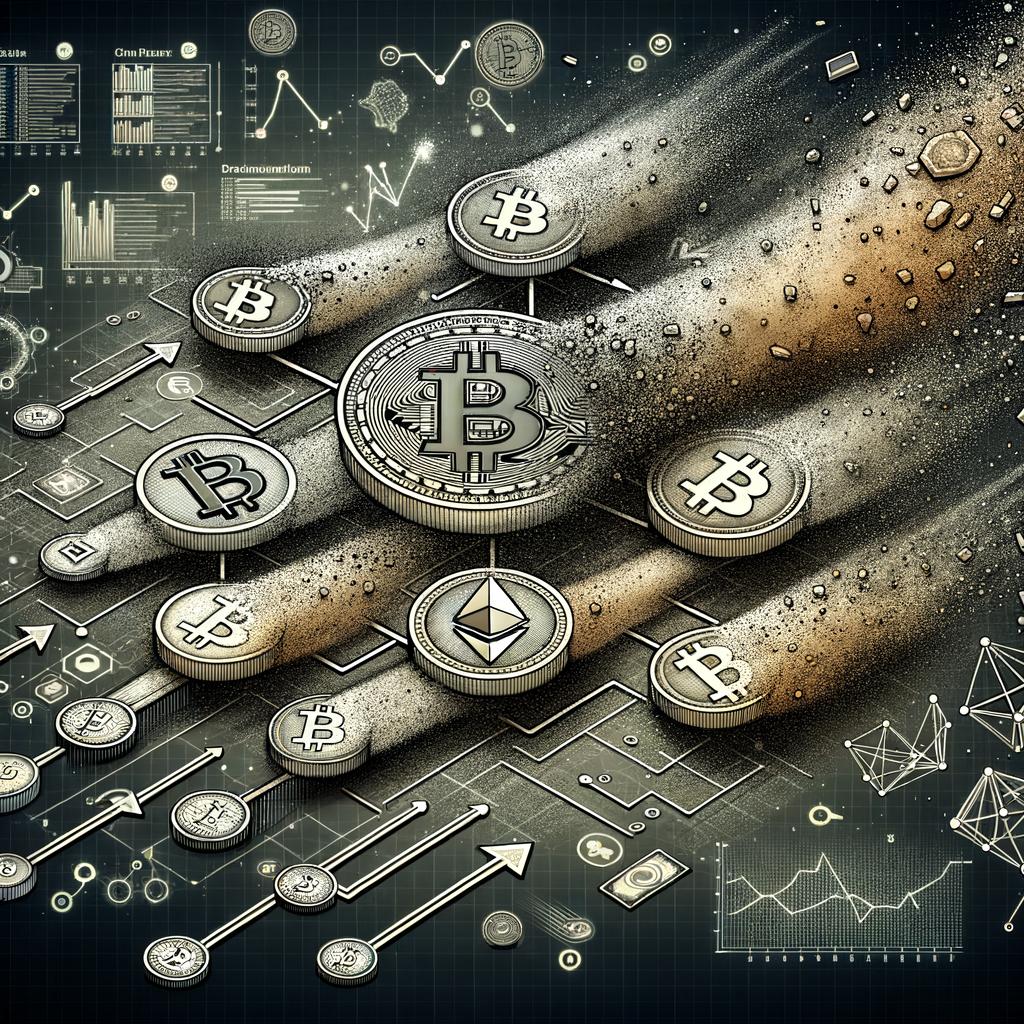
Crypto dust refers to the small amounts of cryptocurrency that remain after a transaction has taken place. This leftover value often falls below the minimum threshold for transactions on many platforms and exchanges,making it nearly unachievable to utilize. As a result, crypto dust predominantly exists unspent, leading to potential inefficiencies in digital currency use and management. Users may find themselves holding onto insignificant amounts of digital assets that cannot be transferred or exchanged, which ultimately detracts from the overall liquidity of the cryptocurrency market.
the presence of crypto dust has several implications for digital currency transactions. As a notable example, the accumulation of these minuscule amounts can complicate portfolio management and inhibit user engagement with various cryptocurrencies. Investors might overlook their crypto dust holdings, causing them to miss out on potential gains if market values were to increase over time. Moreover,this phenomenon can lead to increased transaction fees,as users may have to pay fees to consolidate their dust into spendable amounts or to transfer small balances to exchanges where they can be dealt with appropriately.
Moreover,the existence of crypto dust raises questions about the sustainability of transaction models in the evolving digital finance landscape. As users continue to engage with cryptocurrencies, exchanges and wallets are being prompted to implement mechanisms that can handle or eliminate dust efficiently. Options might include automatic consolidation features or direct donations to charitable organizations. By addressing the challenge of crypto dust, the industry can enhance user experience, promote broader adoption, and ultimately contribute to the stabilization and maturation of digital currency ecosystems.
Strategies to Manage Crypto Dust: Tips for Efficient Trading
In the fast-paced world of cryptocurrency trading, managing small amounts of leftover assets, commonly referred to as “crypto dust,” is essential for maximizing profits and minimizing losses. Efficiently handling these micro-assets can streamline your portfolio and enhance your trading strategy.Traders should regularly monitor their accounts to identify dust, which can accumulate from transactions, especially when trading high volumes. Developing a habit of checking for dust can prevent unnecessary holding costs and optimize trading efficiency.
One effective strategy to manage crypto dust is by consolidating smaller amounts of cryptocurrencies into a larger asset. This can be done by transferring dust amounts to a primary wallet or trading them for a more liquid cryptocurrency. Frequently check your wallets to identify dust and consider using decentralized exchanges that allow for smaller trades. In addition, some platforms support manual dust conversion features that automatically convert dust into the main asset of your choice, ensuring no small amounts are left behind in your account.
Another useful tactic is to set thresholds for what constitutes dust in your portfolio. establishing specific limits based on the market value of the assets allows traders to understand when it’s worth converting these small holdings. Consider the following factors when setting these thresholds: market volatility, transaction costs, and potential future gains of the dust assets. By systematically managing dust and converting or consolidating it into more ample holdings, traders can make more informed decisions and maintain a more streamlined and profitable trading experience.
As we have explored, the phenomenon of crypto dust represents a nuanced but notable challenge within the realm of digital transactions. While these minuscule remnants of cryptocurrency may appear inconsequential at first glance, their implications extend far beyond mere numerical inconvenience. They contribute to inefficiencies within trading systems and can lead to congestion on blockchain networks,potentially hampering the speed and cost-effectiveness of transactions.Understanding dust in the cryptocurrency ecosystem is essential for both traders and developers. By learning to manage and mitigate the effects of dust, stakeholders can enhance their digital transaction frameworks, paving the way for more streamlined operations in the fast-evolving world of finance.As the crypto market continues to mature,addressing these tiny challenges with innovative solutions will be critical to fostering a more efficient and user-kind environment for all participants.
