
Understanding custodial wallets: A Safe Haven for Your Cryptocurrency
Custodial wallets are platforms that allow users to store their cryptocurrencies securely through a third-party service.These wallets are often managed by exchanges or financial institutions, which take on the duty of safeguarding users’ private keys. This can significantly reduce the technical burden for those who may not be familiar with blockchain technology, making it easier for newcomers to enter the crypto space. Users can enjoy features such as user-friendly interfaces and customer support, which are not typically available in non-custodial wallets.
However, the reliance on third parties also introduces a unique set of risks. While custodial wallets prioritize user convenience, the notion of trusting someone else with private keys raises concerns about security and custody. Key risks include:
- Centralization Risk: A centralized entity can be more susceptible to hacking attempts,resulting in potential losses for users.
- Regulatory Risk: Depending on jurisdiction, custodial wallet providers may be subject to regulations that can impact user access to their funds.
- Operational Risk: In the event of a provider’s bankruptcy or unforeseen events, users may find themselves unable to retrieve their assets.
Despite these risks,custodial wallets can serve as a ‘safe haven’ for many users,especially those prioritizing convenience over full decentralization. Higher levels of security measures, such as two-factor authentication and insurance policies, can be implemented by reputable providers to help mitigate risks. Ultimately, users need to conduct thorough research, assessing both the features and the security protocols of custodial services before proceeding to store their cryptocurrencies. Balancing convenience against potential risks is key to making an informed decision on the best storage solution for digital assets.
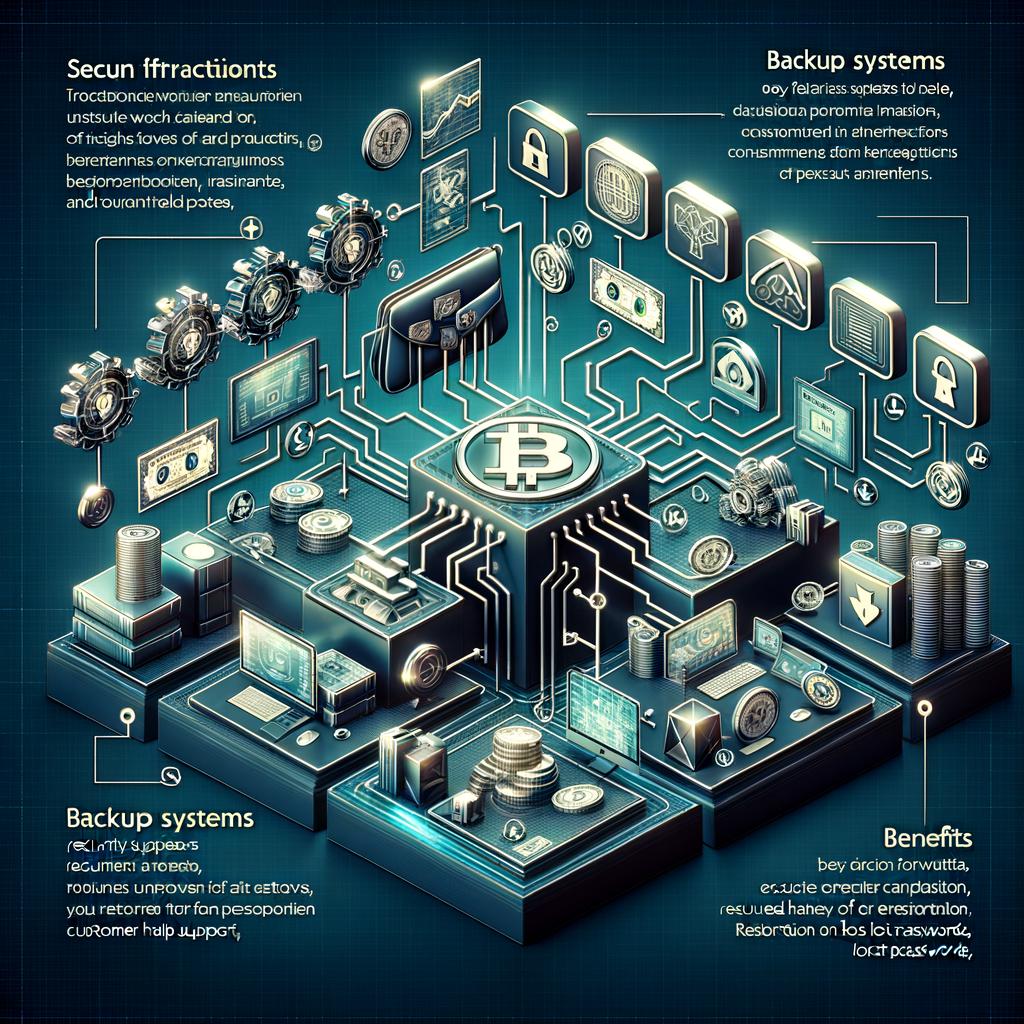
The Mechanics Behind Custodial Wallets: how They Work and Their Benefits
Custodial wallets are digital wallets that store your cryptocurrency on your behalf, managed by a third-party service. These wallets operate by retaining control over the private keys associated with your assets. Users can access their funds through an account typically linked to their email address, making transactions more user-friendly. The mechanism is straightforward: when a user sends or receives cryptocurrency, the custodial service handles the technical complexities of the blockchain, while the user interacts with a simplified interface.
One of the primary benefits of custodial wallets is user convenience. They often feature intuitive designs that accommodate individuals new to cryptocurrency. The wallet service manages critical tasks such as transaction confirmations and private key security, allowing users to focus on their trading and investment strategies without getting bogged down by technical details.Additionally, many custodial wallets offer built-in features such as exchange capabilities, enabling users to buy and sell cryptocurrencies seamlessly.
Though, users should also be aware of the risks posed by custodial wallets, primarily centered around trust and security.As the service holds the private keys, users are reliant on the third party’s security measures and practices. Breaches or mismanagement by the custodial service can result in loss of funds. Despite these risks, custodial wallets often deploy robust security protocols, such as two-factor authentication and encryption, which can significantly mitigate potential threats.
choosing the Right Custodial Wallet: Key Features and Considerations for Secure Storage
When selecting a custodial wallet for Bitcoin storage, several key features should be at the forefront of your decision-making process. Regulatory compliance is vital; ensure that the custodian adheres to local and international laws, as this typically enhances the security and reliability of the platform. Additionally, transaction transparency should be considered; a custodian that provides detailed transaction histories fosters trust and allows users to track their activities with ease.
Another crucial element is the security measures implemented by the custodian. Look for wallets that use multi-signature technology, which requires multiple keys to authorize a transaction, as well as cold storage solutions that keep the majority of assets offline and safe from online threats. Moreover, assess their insurance coverage; custodians that offer insurance on stored assets provide an extra layer of protection in case of breaches or losses, ultimately lowering the risk associated with custodial storage.
Lastly, the reputation and customer support of the custodian should not be overlooked. Research user reviews and testimonials to gauge other customers’ experiences regarding their service and security. A custodian that boasts a solid reputation is more likely to be trustworthy and reliable. Additionally, ensure that the custodian offers robust customer support, including responsive communication channels that can assist users with inquiries or problems swiftly, ensuring that you can access support when it’s needed most.
as we navigate the complex landscape of cryptocurrency management, understanding custodial wallets becomes increasingly vital for both novice and seasoned investors. These wallets offer a user-friendly approach, enabling seamless transactions and enhanced accessibility to the digital asset world. Though, with convenience comes a set of risks that cannot be overlooked-such as potential security breaches and reliance on third-party service providers.
By taking the time to educate yourself about the workings of custodial wallets, you empower yourself to make informed choices that align with your specific needs. Assessing factors such as security measures,user control,and the reputation of service providers will guide you toward a balance between safety and accessibility.
while custodial wallets serve as a helpful entry point into cryptocurrency management, fostering a comprehensive understanding of their implications is crucial. As the crypto space continues to evolve, staying informed will be your greatest ally in safeguarding your investments and navigating this digital frontier with confidence.
