

– Damus: A Revolutionary Paradigm in Decentralized Social Media
Damus: A Revolutionary Paradigm in Decentralized Social Media
Damus’ decentralized architecture breaks free from the centralized structures of traditional social media platforms, empowering users to have direct control over their content, data, and connections. Unlike centralized platforms where corporate entities hold immense power, Damus distributes authority and decision-making among its users, fostering a sense of ownership and accountability within the network. Users can participate in the governance of Damus through the Network Council, ensuring that the platform’s evolution aligns with their needs and values.
Damus incorporates novel privacy enhancements that safeguard user autonomy. By leveraging the decentralized nature of Bitcoin, it eliminates the need for identity verification or centralized data storage, granting users anonymity and protection from privacy breaches. Additionally, Damus supports end-to-end encryption for private messaging and the ability to self-moderate shared content, empowering users to define their own privacy boundaries and control the dissemination of their personal information.
Damus challenges the traditional content moderation models employed by centralized platforms, where algorithms and corporate policies determine what content is visible and accessible to users. By implementing a community-driven moderation system, Damus shifts the responsibility of content regulation to its users. This collaborative approach promotes transparency, accountability, and the suppression of harmful or malicious content without compromising freedom of expression.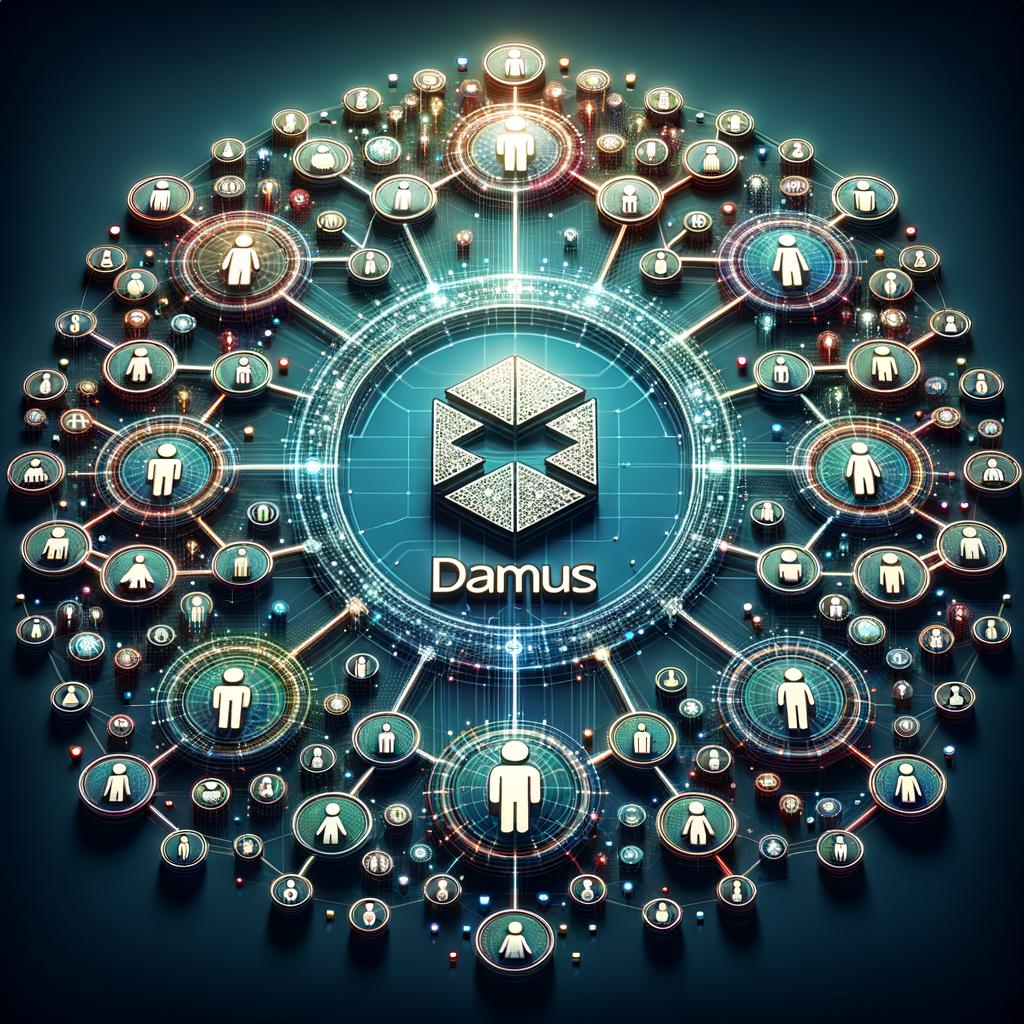
– Unveiling the Privacy-Centric Design of Damus
Unveiling the Privacy-Centric Design of Damus
Damus prioritizes user privacy, empowering individuals to control their data and interactions. Its architecture leverages Bitcoin’s decentralized nature, ensuring that user information is stored on personal devices rather than centralized servers. Unlike traditional social media platforms, Damus does not collect or store user data, preventing unauthorized access and misuse.
Furthermore, Damus incorporates strong encryption mechanisms to safeguard messages and metadata. Conversations are encrypted end-to-end, ensuring that only the sender and recipient can view them. Additionally, Damus employs Noise protocol for secure key exchange, further protecting privacy and preventing eavesdropping.
Users have the freedom to choose their own moderation and governance mechanisms on Damus. They can create groups and communities where they can customize content moderation rules and decide who can participate. This approach empowers users to shape their own social media experience, fostering a sense of ownership, while promoting responsible online interactions.
– Decentralized Content Moderation: Empowering the Community
Unveiling Community Governance: Decentralized Content Moderation
Empowering the community through decentralized content moderation is pivotal to maintaining a harmonious online space, free from the clutches of censorship and algorithmic biases. By embracing a distributed approach, where members actively participate in setting and enforcing community guidelines, Nostr transcends the shortcomings of centralized moderation. This collaborative model fosters a sense of ownership and accountability, ensuring that decisions are made collectively, reflecting the values and aspirations of the community.
Transparency and Inclusivity: Fueling Trust and Collaboration
Decentralized content moderation opens up the decision-making process, making it transparent and accessible to all community members. This fosters trust and inclusivity, as individuals understand the rationale behind guidelines and feel empowered to contribute to their refinement. The removal of opaque algorithms eliminates the potential for bias and ensures that content moderation is conducted fairly and equitably.
Collective Intelligence and Consensus-Building: Ensuring a Harmonious Online Environment
Harnessing the collective intelligence of the community, decentralized content moderation enables nuanced and contextual decisions. By leveraging consensus-building mechanisms, the community can effectively address complex and evolving issues. This collaborative approach fosters a sense of shared responsibility, promoting a positive and engaging online environment where diverse perspectives are respected and valued.
– Community-Driven Governance: Fostering Transparency and Accountability
### Community-Driven Governance: Fostering Transparency and Accountability
In the Bitcoin ecosystem, the community plays a pivotal role in shaping governance and ensuring network stability. Community-driven governance allows for collective decision-making, fostering transparency, accountability, and inclusiveness.
Decision-Making Through Consensus:
The Bitcoin community operates through consensus-based decision-making. This involves participatory processes where community members engage in discussions, propose improvements, and vote on proposed changes to the protocol. Consensus is reached when a majority of community members agree on a particular proposal or decision.
Transparency and Accountability:
Community-driven governance ensures transparency as all discussions, proposals, and decisions are publicly accessible on the blockchain ledger. This transparency promotes accountability, as community members can hold each other accountable for their actions and decisions. Additionally, the auditable nature of the blockchain ensures that decisions cannot be arbitrarily altered or concealed from public view.
Damus: A Paradigm Shift in Decentralized Social Media
Damus represents a transformative force in the realm of social media, heralding a new era of user empowerment and decentralization. By harnessing the immutable and decentralized nature of Bitcoin and the micropayment capabilities of the Lightning Network, Damus offers a paradigm shift that challenges traditional platforms’ control over our digital interactions and content distribution. Through its innovative architecture, nuanced privacy features, user-driven content moderation, and decentralized governance structure, Damus has the potential to reshape the social media landscape, putting users firmly in control of their online experiences and ushering in a more equitable, censorship-resistant, and user-centric internet. As the platform continues to evolve and gain traction, it will be fascinating to witness the profound impact it has on our digital lives and the broader social and political landscape.

