

What Is Cold Storage and Why It Matters for Crypto Investors
Cold storage refers to keeping cryptocurrency private keys completely offline so they cannot be reached by internet-based attackers. Unlike “hot” wallets that remain connected to the web for everyday transactions, cold-storage solutions-such as hardware wallets, paper wallets, or air-gapped devices-isolate the keys needed to sign transactions. journalistic reporting on breaches repeatedly shows that online exposure,rather than flaws in blockchain protocols,is the predominant cause of losses; moving keys offline materially reduces that attack surface.
For investors,the importance of cold storage is practical and forensic: it limits points of failure and creates a defensible posture against phishing,malware,and exchange insolvency. Key considerations include custody,recoverability,and usability. Common benefits and trade-offs include:
- Security: Offline keys are immune to remote hacks.
- Control: Self-custody removes counterparty risk but increases personal obligation.
- Accessibility: Transactions are less convenient and require additional steps to sign and broadcast.
- Recovery: Secure seed phrase management is essential to avoid permanent loss.
Best practices adopt layers: use reputable hardware wallets with a verified supply chain, keep multiple encrypted backups of recovery seeds in geographically separated, secure locations, and test recovery procedures periodically.For high-value holdings, professional strategies such as multi-signature setups and legal estate planning reduce single points of failure. Ultimately, cold storage is not a single product but a set of disciplined processes that trade convenience for substantive improvement in long-term asset protection.
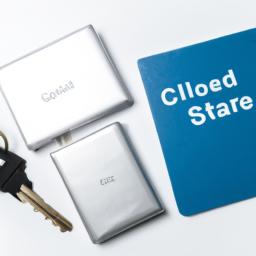
Types of Cold Storage: Hardware wallets, Paper Keys and Air‑Gapped Systems
Hardware wallets are dedicated devices that store your private keys offline and sign transactions in a tamper-resistant surroundings. They dramatically reduce exposure to malware and phishing because keys never leave the device, but they are not risk-free: physical theft, supply-chain tampering and improperly verified firmware are real concerns. Best practices include buying from reputable vendors,verifying package integrity and enabling PINs and passphrase protections.
Paper keys – printed or written seed phrases and private keys – offer a low-tech cold storage option that keeps secrets off any electronic device. They are cheap and conceptually simple, but fragile: paper degrades, can be lost, photographed or copied, and generation/printing processes can introduce vulnerabilities. practical safeguards include:
- Generate keys on an air-gapped device using audited tools
- Never print or store an unencrypted seed in cloud services
- Create multiple, geographically separated copies and protect them from fire, water and theft
These measures help mitigate the common single-point-of-failure problems associated with paper storage.
Air-gapped systems are offline computers or devices used solely to create and sign transactions without network connections, offering a higher-control cold storage approach for advanced users. They bridge the gap between usability and security-transaction data can be transferred via QR codes, SD cards or usbs, wich introduces operational risks if mediums are contaminated or handled carelessly. For large holdings, combine air-gapped setups with multisig policies and secure, redundant backup copies of seeds to balance resiliency and convenience; for most individuals, reputable hardware wallets remain the pragmatic baseline for cold storage.
Setting Up and Maintaining Secure Offline Storage: Best Practices and Common Pitfalls
Practitioners setting up offline storage should start by isolating private keys from internet-connected devices. Use a dedicated hardware wallet or an air-gapped computer to generate keys, and consider multisig arrangements to eliminate a single point of failure. Keep the seed phrase and any private-key exports physically separate from the signing device: generate keys offline, sign transactions on an isolated device, and only broadcast signed transactions from an online machine.
Apply a consistent set of operational defenses and document them. Recommended actions include:
- Generate and verify backups promptly after key creation – test recovery on a spare device.
- Record seeds on durable media (e.g., stainless steel plates) rather than paper to resist fire, water, and corrosion.
- Use a passphrase in addition to the seed for extra protection, and store passphrase pieces separately from the seed.
- Keep firmware up to date on hardware wallets and use cryptographically verifiable firmware sources.
Consistent labeling,geographically distributed backups,and a clear succession plan reduce operational risk and support long-term custodial continuity.
Beware common pitfalls that erode security despite good intentions.Relying on a single backup, storing seeds in cloud services or plain text, and neglecting recovery tests are frequent causes of loss. Social-engineering attacks and counterfeit hardware remain practical threats; validate vendor sources and resist unsolicited troubleshooting offers. Periodic audits of physical security, test restores, and ownership knowledge among trusted parties are essential to avoid surprise losses when access is most needed.
As cryptocurrencies mature, so do the threats that target them. Cold storage – keeping private keys completely offline – remains the single most effective way to remove those keys from the reach of remote attackers. Whether implemented with a reputable hardware wallet, an air-gapped device, or an immutable paper backup, the objective is the same: minimize the attack surface while keeping recovery procedures simple and verifiable.
Practical security comes down to disciplined execution. Use well-reviewed hardware or open-source tools, generate and store seed phrases offline, create multiple secure physical backups stored in separate locations, and routinely test recovery procedures before transferring substantial amounts. Treat the seed as the asset itself: never photograph it,never enter it on an internet-connected device,and be wary of social-engineering attempts. For day-to-day use, keep only operational funds in hot wallets; reserve large holdings for offline storage. stay current on firmware updates, trusted community standards, and the evolving threat landscape.
Cold storage is not a complete solution by itself, but it is the cornerstone of prudent custody for anyone serious about protecting digital assets.Balance convenience with risk tolerance, document your procedures, and consider professional advice for sizable portfolios. In a market defined by both innovation and risk, the safest path is a well-planned, consistently executed approach to keeping your keys – and your crypto – truly offline.
Note: the web search results provided with the request returned general dictionary entries unrelated to cold storage and were not used as source material for this outro.

