
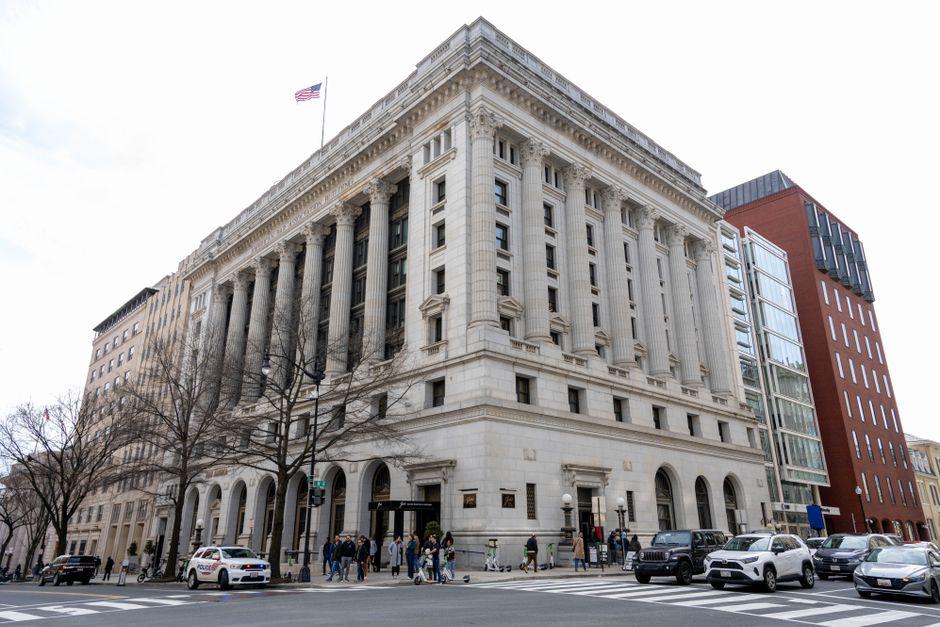
CFTC Strengthens Regulatory Expertise with Appointment of SEC Crypto Adviser
The Commodity Futures Trading Commission (CFTC) has enhanced its regulatory expertise by appointing a seasoned adviser from the Securities and Exchange Commission (SEC) specializing in cryptocurrencies. This strategic move reflects the increasing complexity and interconnected nature of digital asset markets, were commodities and securities regulations often intersect.The new adviser brings a wealth of experience in navigating the evolving regulatory landscape surrounding crypto assets, which may assist the CFTC in addressing emerging challenges related to market oversight, enforcementand compliance.
By integrating knowledge from the SEC’s regulatory framework, the CFTC aims to strengthen its capacity to monitor and regulate cryptocurrency derivatives and other related products effectively. While this appointment underscores a collaborative approach between key regulatory bodies, it also highlights the ongoing efforts to create a cohesive supervisory habitat amid rapid innovation in blockchain and digital assets. Though, it is indeed critically important to recognize that regulatory frameworks are continually developingand such appointments primarily serve to improve expertise rather than immediately alter enforcement policies or market dynamics.
Leveraging Blockchain Forensics to Enhance Market Integrity and Compliance
blockchain forensics involves the request of analytical techniques to trace and investigate activities on blockchain networks, providing critical insights into transaction flows and participant behavior. This discipline leverages decentralized ledger transparency combined with sophisticated software tools to identify patterns potentially related to illicit activities, such as fraud, money launderingor market manipulation. By systematically examining the public ledger data,forensic analysts can definitely help regulatory bodies,exchanges,and financial institutions enhance market integrity and ensure compliance with legal frameworks,thus fostering greater trust in cryptocurrency ecosystems.
Despite its advantages,blockchain forensics also faces inherent limitations. While the clear nature of many blockchains offers valuable data,the pseudonymous identities and increasing use of privacy-enhancing technologies can obscure true participant identities,complicating investigations. Furthermore, the global and decentralized properties of blockchain networks may pose jurisdictional challenges for enforcement agencies. Still, the integration of blockchain forensics into regulatory and compliance processes underscores the ongoing effort to balance innovation and security in digital asset markets, contributing to a more robust and accountable trading environment.
Implications for Crypto Industry Oversight and Regulatory Coordination
Recent developments in the cryptocurrency sector have underscored the increasing importance of coordinated oversight among regulatory bodies. The inherently borderless nature of digital assets like Bitcoin necessitates collaboration across jurisdictions to establish frameworks that address issues such as fraud, market manipulationand consumer protection. Regulatory coordination can help harmonize standards and reduce gaps that bad actors might exploit, ultimately fostering a more stable environment for market participants and encouraging responsible innovation within the industry.
Though, the complexity of the crypto ecosystem poses challenges to effective regulation. The rapid pace of technological advancement in blockchain and decentralized finance calls for adaptive regulatory approaches that balance risk mitigation with the preservation of fundamental industry benefits, such as transparency and autonomy. Additionally, differences in national regulatory priorities and approaches can hinder consensus-building, making efforts to align policies a gradual process. As regulators continue to engage with stakeholders, ongoing dialog and information sharing will be crucial to designing oversight mechanisms that are both effective and flexible in addressing the evolving landscape.
Strategic Recommendations for Navigating Evolving Crypto Enforcement Landscape
As regulatory frameworks around cryptocurrencies continue to evolve globally, market participants must remain vigilant in monitoring enforcement trends and legal interpretations. Understanding the nuances of compliance obligations-including anti-money laundering (AML) requirements, know-your-customer (KYC) protocolsand reporting standards-is essential for minimizing legal risks and maintaining operational integrity.Investors and businesses should prioritize engagement with legal counsel specialized in cryptocurrency regulations to navigate this complex environment, as varying jurisdictional approaches contribute to an uneven enforcement landscape that can impact transactions, custody solutionsand token classifications.
Moreover, technological advancements in blockchain monitoring and transaction analysis tools have increased the capacity of regulators to track illicit activity and enforce compliance more efficiently. While these tools enhance transparency and market integrity, they also underscore the importance of maintaining robust internal controls and audit capabilities. Market participants are encouraged to adopt best practices in governance and data management to respond effectively to regulatory inquiries and audits. By staying informed of enforcement actions and adapting operational procedures accordingly, stakeholders can better position themselves to address compliance challenges without relying on speculative market movements or assumptions about regulatory intent.


