

CFTC Chair Emphasizes Blockchain Technology as a Tool for Authenticating AI-Generated Content
Gary Gensler, the Chair of the commodity Futures Trading Commission (CFTC), recently highlighted the potential of blockchain technology to serve as a robust verification mechanism for AI-generated content. By leveraging the inherent characteristics of blockchain-decentralization, immutability, and clarity-it becomes possible to create an indisputable record of the origin and modifications of digital assets. This approach can substantially reduce issues surrounding misinformation and intellectual property disputes in AI-generated materials, fostering trust in an era increasingly shaped by algorithmic content creation.
- Decentralized Verification: Blockchain’s distributed ledger ensures no single entity can manipulate content verification records.
- Immutable Records: Once content provenance is recorded on-chain, it becomes tamper-proof.
- Clear Audit Trails: Users and regulators can trace the entire lifecycle of AI-generated content.
Integrating blockchain with AI-generated workflows could also empower content creators and regulators with tools to authenticate originality and ownership rapidly. This seamless authentication may enhance compliance within futures and derivatives markets, where the accuracy of disseminated details is critical. As AI continues to proliferate, the CFTC Chair’s endorsement of blockchain underscores a forward-looking regulatory mindset that embraces technological innovation as a safeguard against digital ambiguity.
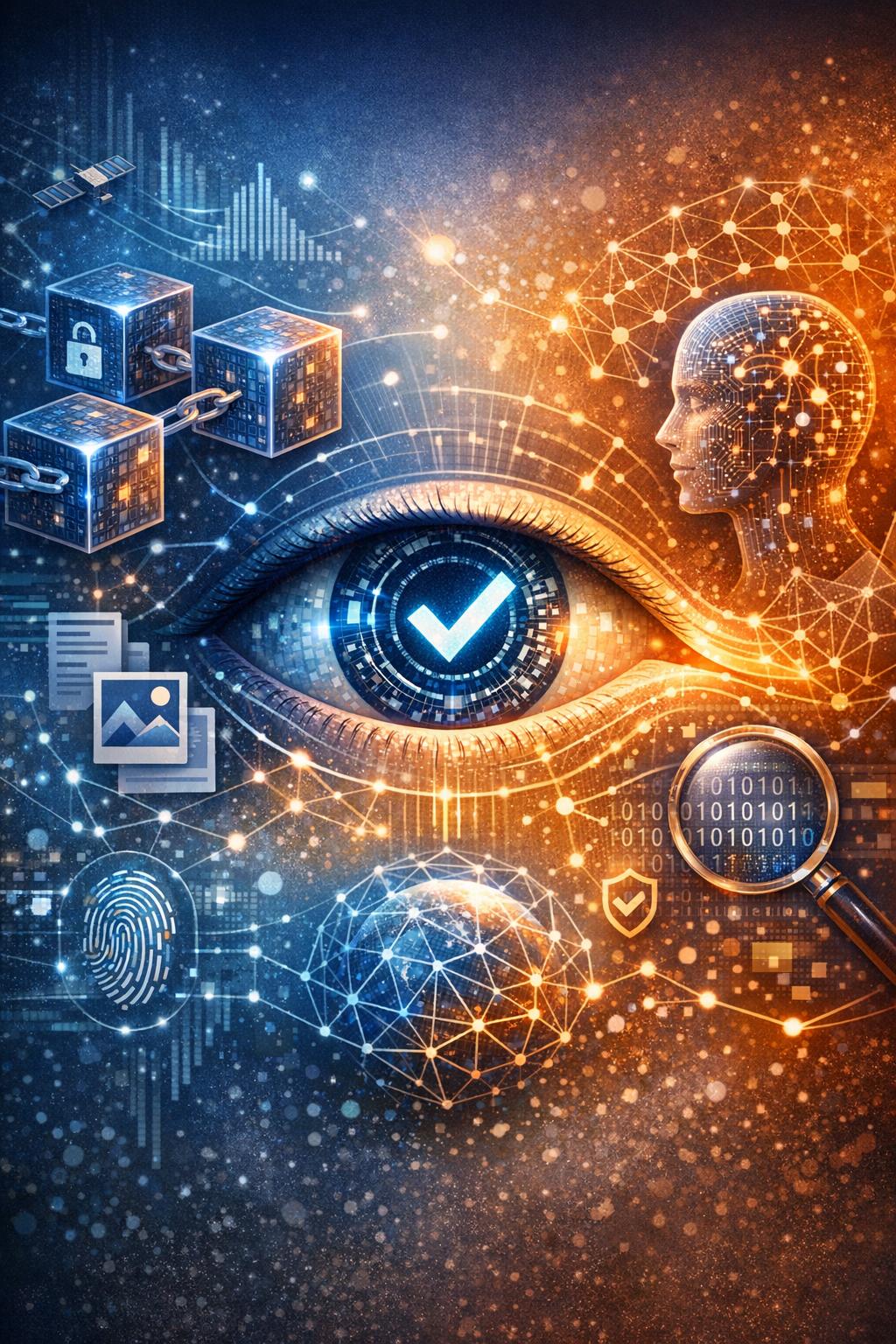
Exploring the Intersection of Blockchain and Artificial intelligence in Enhancing content Verification
Integrating blockchain technology with artificial intelligence (AI) presents a transformative prospect to elevate the verification of AI-generated content. Blockchain’s decentralized ledger offers an immutable record of content creation and modification, enabling transparent tracking of AI outputs from inception to distribution. This transparency addresses the growing challenges of authenticity and trustworthiness in digital media,ensuring that the provenance and integrity of AI-generated material are indisputable. Furthermore, blockchain’s cryptographic signatures can certify the origin of content, making it increasingly difficult for manipulated or counterfeit AI creations to go unnoticed.
Beyond authentication,the convergence of blockchain and AI facilitates enhanced content governance through decentralized verification protocols. These protocols empower a distributed network of validators to collectively assess the accuracy and reliability of AI-produced information, reducing reliance on centralized authorities prone to bias or error. key benefits include:
- traceability: Clear audit trails for each piece of content
- Security: Resistance to tampering and unauthorized alterations
- Accountability: Transparent attribution of content creators and AI systems involved
| Feature | Blockchain Contribution | AI Application |
|---|---|---|
| Content Integrity | Immutable recording of data | Generates original content |
| Verification | Decentralized consensus mechanisms | Flagging inconsistencies |
| Authorship | Cryptographic proof of origin | Attribution of generated content |
Detailed Mechanisms Through Which Blockchain Can Strengthen Trust in AI-Produced Materials
Blockchain technology provides an immutable ledger that can record every alteration made to AI-generated content, thus creating a verifiable audit trail. Each AI-produced piece can be time-stamped and hashed on the blockchain, ensuring that its origin and subsequent modifications remain transparent and tamper-proof. This mechanism drastically reduces the risk of misinformation by enabling content consumers to independently authenticate the authenticity and provenance of the material before accepting it as credible. Key features contributing to trust enhancement include:
- Decentralization: Eliminates reliance on a single entity, reducing censorship or manipulation risks.
- Transparency: Publicly accessible records encourage accountability in AI content creation.
- Cryptographic verification: Secures data integrity through unique digital signatures.
Furthermore, blockchain’s inherent capabilities complement AI’s evolving complexity by supporting dynamic metadata tagging and smart contract automation. Smart contracts can enforce content usage policies and verify compliance with ethical guidelines before dissemination.This synergy enables content originators, regulators, and end-users to collaborate within a trustless environment where verification is automatic and impartial, fostering greater confidence in AI-generated outputs and mitigating potential legal and reputational risks.
Strategic Recommendations for Implementing Blockchain Solutions to Ensure Integrity in AI Content Creation
Integrating blockchain technology into AI content creation workflows offers a robust framework to enhance transparency and trustworthiness.By recording each stage of the content generation process on an immutable ledger, organizations can ensure that AI outputs are verifiable and tamper-proof. This approach not onyl mitigates concerns over manipulated or fabricated content but also provides a clear audit trail for regulators and stakeholders, reinforcing accountability while enabling seamless compliance with emerging digital content standards.
Key implementation strategies include:
- Immutable provenance tracking: Utilize blockchain to chronologically document data inputs, algorithmic decisions, and subsequent edits, guaranteeing traceability for every piece of AI-generated content.
- Decentralized validation: Deploy consensus mechanisms to authenticate AI outputs across distributed nodes,reducing the risk of centralized data breaches or falsification.
- Smart contract governance: Automate compliance checks and content verification processes through programmable contracts that enforce predefined rules before publication or usage.
| Implementation Aspect | Benefit |
|---|---|
| Provenance Recording | Ensures content authenticity |
| Decentralized Validation | Increases data security |
| Smart Contract Automation | Streamlines compliance |


