

Introduction
in a groundbreaking study that sheds light on the intricate mechanisms of cancer cell survival, researchers have discovered that caspase 3 and caspase 7 play pivotal roles in promoting cytoprotective autophagy and enhancing the DNA damage response in human breast cancer cells exposed to non-lethal stress conditions.As breast cancer remains one of the most prevalent forms of cancer worldwide, understanding the cellular responses that allow these malignant cells to endure stress is crucial for developing more effective therapeutic strategies. This study highlights the dual role of caspases not merely as agents of cell death, but as key regulators of cellular resilience, opening new avenues for targeted treatments that could potentially improve patient outcomes.As scientists delve deeper into the adaptive strategies of cancer cells, this research underscores the complex interplay between cell survival pathways and the evolution of malignancies, setting the stage for future investigations into innovative cancer therapies.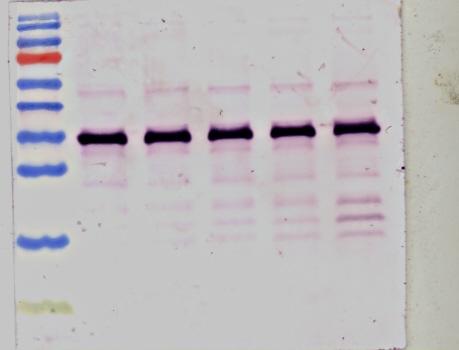
Caspase 3 and Caspase 7: Guardians of cytoprotective Autophagy in Breast Cancer Cells
Recent studies have illuminated the critical roles of caspase 3 and caspase 7 in modulating the delicate balance of cell survival and death in human breast cancer cells. These caspases, traditionally associated with apoptosis, are now recognized as key players in promoting cytoprotective autophagy during periods of non-lethal stress. Under these conditions, they facilitate processes that not only enhance cellular resilience but also orchestrate a robust DNA damage response. By activating autophagic pathways, caspase 3 and caspase 7 help to clear damaged organelles and proteins, ensuring cellular homeostasis and reducing the likelihood of malignant transformations.
In light of their dual functionality, the interplay between these caspases and autophagy presents a fascinating area of research, potentially leading to innovative therapeutic strategies in breast cancer treatment. Current findings highlight the involvement of caspase activation in various stress responses,whereby cancer cells adapt to unfavorable conditions. Notably, integrating these insights could pave the way for a deeper understanding of cancer cell survival mechanisms. As the scientific community investigates more about these processes, key aspects include:
- Mechanisms of caspase activation
- Regulation of autophagy under stress
- Impact on tumor progression
- Potential for targeted therapies
unraveling the Role of Caspases in DNA Damage Response Under Non-Lethal Stress
The emerging research on the dual roles of caspases, especially caspase 3 and caspase 7, highlights their critical involvement in cellular responses to non-lethal stress in human breast cancer cells. under conditions of mild stress, these caspases do not merely function as initiators of apoptosis; instead, they engage in promoting cytoprotective autophagy. This protective mechanism allows cells to manage damaged organelles and misfolded proteins,effectively circumventing cell death and sustaining viability.Furthermore, caspase activity assists in enhancing the DNA damage response (DDR) by modulating key signaling pathways that are crucial for maintaining genomic integrity and cellular homeostasis. The understanding of this non-canonical role could pave the way for innovative therapeutic strategies that exploit autophagy and DDR pathways in cancer treatment.
Recent studies utilizing immunofluorescence staining and Western blot analysis suggest that the activation of caspases in response to genotoxic stress initiates various autophagy-related mechanisms, demonstrating an interconnected network between apoptosis and autophagy processes. Key findings reveal that the interaction between these pathways results in an increase in autophagic flux, leading to a more resilient cellular phenotype. The implications of these findings are significant, prompting further investigation into how targeting caspase-mediated mechanisms could be beneficial in enhancing the efficacy of existing anticancer therapies.Below is a concise summary of the key functions of caspases in the DDR during non-lethal stress conditions:
| Function | Role in Non-Lethal Stress |
|---|---|
| Caspase 3 activation | Induces cytoprotective autophagy |
| Caspase 7 Interaction | Enhances the DNA damage response |
| Autophagic Flux Increase | Facilitates removal of damaged components |
| Cellular Viability maintenance | Prevents unnecessary apoptosis |
In Retrospect
the roles of caspase 3 and caspase 7 in promoting cytoprotective autophagy and bolstering the DNA damage response during non-lethal stress highlight a complex interplay between cellular survival mechanisms in human breast cancer cells. as researchers continue to unravel the intricate pathways involved in cancer biology, these findings pave the way for potential therapeutic strategies that could harness or modulate these processes. By understanding how these caspases contribute to cell resilience, scientists may be able to develop more effective treatments, ultimately improving outcomes for patients battling breast cancer. As the field advances, such insights offer a hopeful glimpse into the future of targeted therapies and personalized medicine in oncology. Stay tuned for further developments in this rapidly evolving area of cancer research.
