
Cardano Hard Fork Implementation and Its Technical Significance
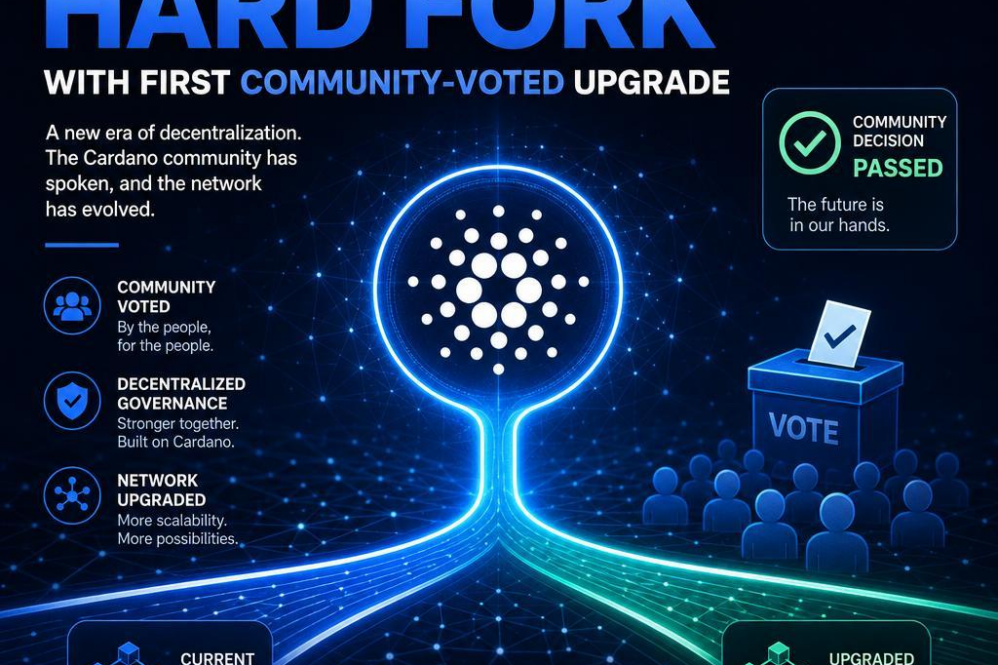
The recent Cardano hard fork stands as a pivotal moment in the blockchain’s evolution, marking the first significant upgrade driven directly by community consensus. This event showcases the robustness of Cardano’s governance model, where stakeholders actively participate in shaping the protocol’s trajectory. The upgrade introduces several technical enhancements aimed at optimizing network efficiency, increasing transaction throughput, and bolstering security measures. At its core, the hard fork exemplifies Cardano’s commitment to decentralized and transparent development, reinforcing trust within its ecosystem.
Key technical aspects include:
- Enhanced consensus protocol: Improvements in the Ouroboros algorithm ensure faster block confirmation times and greater resilience against network attacks.
- Smart contract upgrades: Expanded capabilities and reduced execution costs facilitate more complex decentralized applications.
- Scalability features: Introduction of layer-2 solutions aimed at handling an increased volume of transactions without compromising decentralization.
| Feature | Impact | Benefit |
|---|---|---|
| Consensus Optimization | Reduced Latency | Faster Transactions |
| Smart Contract Enhancements | Lower Costs | Improved dApp Development |
| Scalability Solutions | Higher Throughput | Sustained Network Growth |

Community Governance and the Voting Process Behind the Upgrade
The recent Cardano hard fork marks a pivotal moment not only in the platform’s technical evolution but also in its approach to governance. For the first time, the upgrade was shaped directly by the collective voice of its community. Token holders and network participants engaged in a transparent voting process, casting their ballots on critical protocol changes that will determine Cardano’s trajectory. This democratic methodology ensures that upgrades reflect the diverse interests of stakeholders, fostering greater trust and alignment within the ecosystem.
Key elements of the voting process included:
- Open Proposal Submission: Community members were empowered to propose changes, encouraging innovation from all corners of the network.
- Transparent Deliberation: Proposals underwent rigorous discussion phases, allowing for expert feedback and community input.
- Weighted Voting Mechanism: Votes were weighted according to stake, ensuring proportional influence based on network commitment.
- Final Approval and Implementation: Once a clear consensus emerged, the agreed-upon changes were operationalized through the hard fork event.
This structured governance framework not only embodies Cardano’s commitment to decentralization but also serves as a blueprint for sustainable blockchain evolution driven by its user base.
Impact of the Hard Fork on Cardano’s Network Performance and Security
The recent hard fork event marks a pivotal moment for Cardano, manifesting in significant enhancements across network performance and security. By implementing protocol-level improvements voted on directly by the community, Cardano has introduced optimized transaction throughput and reduced latency. These upgrades bolster the network’s capacity to handle increased user activity, ensuring smoother and faster execution of smart contracts. Key improvements include:
- Enhanced consensus algorithm efficiency for quicker block finalization
- Reduced transaction confirmation times, improving user experience
- Streamlined node synchronization processes, lowering computational overhead
Security fortifications have also been rigorously addressed, reflecting Cardano’s commitment to maintaining a resilient and tamper-resistant ecosystem. The upgrade incorporates hardened cryptographic protocols and fortified validation checks that guard against emerging attack vectors. Community governance has played a crucial role in vetting these changes, ensuring alignment with both technical rigor and decentralized principles. The outcome is a network that not only scales effectively but also sustains the integrity and trust essential to a decentralized platform.
Strategic Recommendations for Stakeholders Post-Upgrade Transition
To effectively navigate the post-upgrade landscape, stakeholders must adopt a proactive approach that prioritizes ongoing engagement and technological vigilance. It is essential for validators, developers, and users to regularly synchronize their nodes with the new protocol parameters, ensuring seamless compatibility with the hard-forked network. Equally important is fostering continuous communication within the community to rapidly identify and resolve any emerging issues, thereby safeguarding network stability and user confidence.
- Validators: Update node software promptly and monitor for irregularities to maintain consensus integrity.
- Developers: Audit and optimize smart contracts for enhanced performance under the upgraded protocol.
- Users: Verify wallet compatibility and confirm transaction finality using updated tools.
- Exchanges & Service Providers: Conduct thorough testing before resuming full transaction processing to mitigate operational risks.
Institutional stakeholders should also consider strategic investments in education and infrastructure to support the network’s long-term scalability. Aligning business models with the upgrade’s capabilities will unlock new opportunities for decentralized applications and DeFi innovation. By embedding flexibility into governance and operational frameworks, organizations can adapt to future upgrades with agility-cementing Cardano’s role as a resilient and community-driven blockchain ecosystem.