
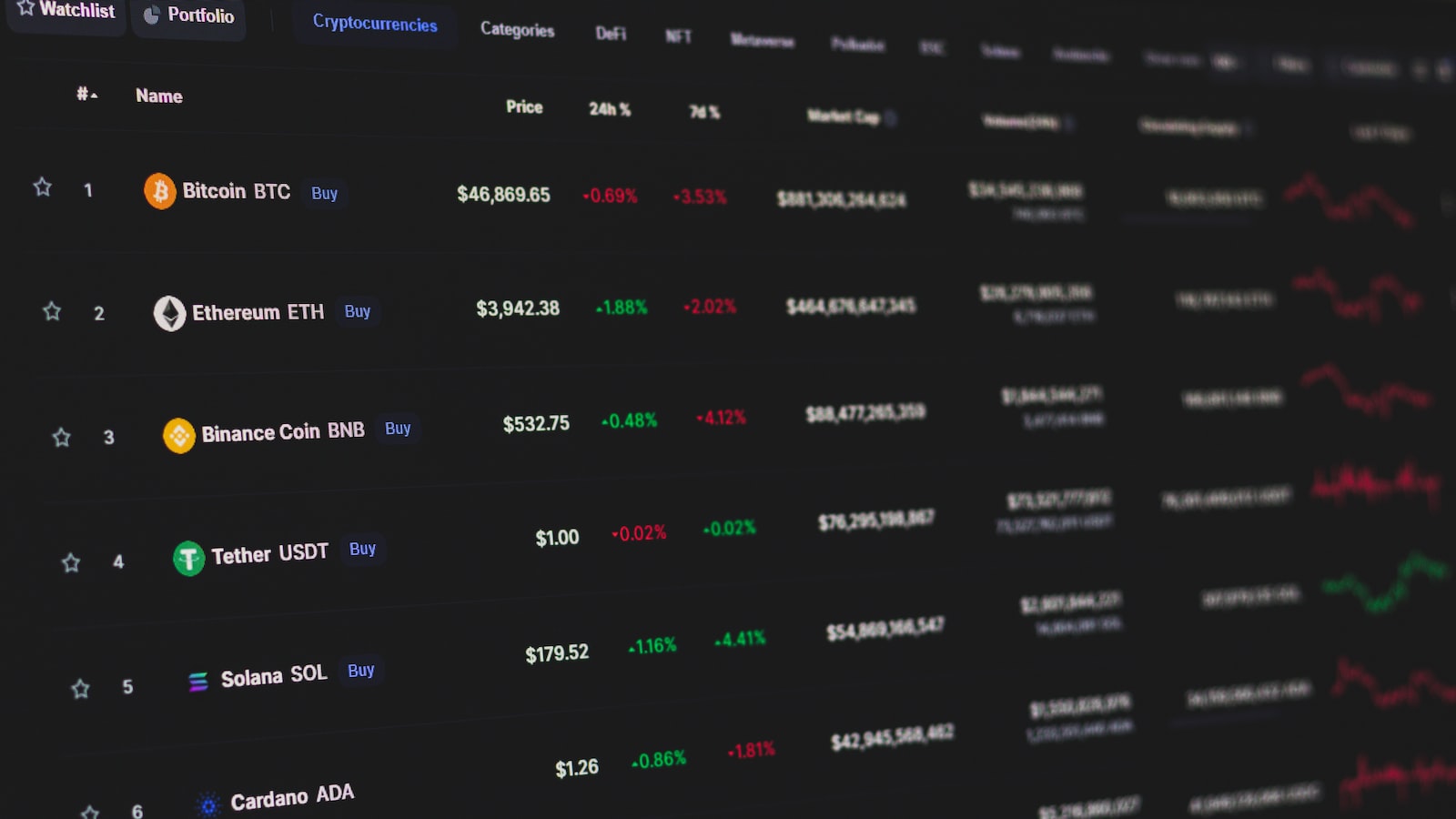
The world is constantly evolving, and one of the more recent evolutions is the rise of digital currencies. It has become increasingly popular over the past few years, and its popularity is only growing. One of the more common digital currencies is Bitcoin, which has been steadily gaining traction. With this in mind, there has been an increased interest in whether or not stores can accept Bitcoin as payment. This article will explore this topic in detail and shed some light on the current situation.
1. What Is Bitcoin and How Can It Be Used as Payment?
Bitcoin is a digital currency, sometimes referred to as a cryptocurrency, that is created and held electronically. It is not backed by any country or government and it relies on cryptography to secure transactions. Transactions are made directly between users, without an intermediary.
It can be used as a payment for goods and services, but it is also popular as an investment due to its wide range of characteristics. Bitcoins can be bought and sold on exchanges, and users can store them online in digital wallets.
Using bitcoin as a payment method is simple and secure. All you need to do is open a digital wallet by installing a wallet app. Once you have your wallet, populate it with some digital currency, say Bitcoin. Then you have the option of exchanging digital currency for goods and services.
Individuals using Bitcoin as payment can benefit from lower fees, increased privacy, protection from identity theft, and no risk of fraud. Instead of relying on traditional payment methods, merchants can offer customers the option of paying for goods and services with Bitcoin, providing access to a global market of customers.
2. Introducing the Future of Currency: Bitcoin
Bitcoin – The Future of Digital Cash
In the 21st century, the concept of traditional money is being gradually replaced by technology. Bitcoin is among the most popular solutions that are currently revolutionizing the world economy. This innovative new digital currency enables users to access global markets with unprecedented ease and low costs.
Benefits of using Bitcoin
Bitcoin offers a number of advantages over traditional banking systems.
- It is digital, meaning it can be sent and received more quickly than with conventional methods.
- The transaction fees are incredibly low due to the absence of middlemen.
- The encryption protocols ensure that all transactions are secure.
Using Bitcoin Safely and Securely
Just like any other online banking system, users of Bitcoin need to pay attention to the security of their accounts. As the use of virtual currencies increases, criminals have started to take advantage of users with their malicious activities. To stay safe, users need to keep the following security practices in mind when using Bitcoin.
Whether you’re buying, selling or transferring Bitcoin, always make sure to use authentic sites and reliable platforms. Additionally, if you’re storing your Bitcoin in a wallet, try to use a multisig wallet where multiple users will have access to the funds.
Breaking Barriers in the Exchange Market
Thanks to Bitcoin, a number of new possibilities have emerged for people to make transactions and exchange funds across geographical borders. This increases the efficiency of the global economy, allowing individuals and businesses to conduct trade much more conveniently.
Furthermore, since Bitcoin is decentralized, transactions are not dependent on central authorities or governments. Therefore, it gives investors and traders more control over their financial activity.
3. Exploring the Benefits of Accepting Bitcoin
As alternative forms of payment become more mainstream, merchants must consider the financial benefits of accepting Bitcoin. With its low, direct fees and ease of integration, the digital currency presents an opportunity to increase profits and reach a global market.
The use of Bitcoin is increasing; an estimated 81 million users worldwide now own some form of cryptocurrency. As these users become more familiar with the currency and its usage, they are likely to search out merchants who add a Bitcoin payment option to their payment forms. By being one of the first companies to add the payment option, companies can gain a competitive edge over those who have not taken the steps to integrate a digital payment.
Integrating Bitcoin into a company’s payment systems is easy. The transaction is verified on the blockchain-based system, which is secure and reliable. Moreover, the fees associated with Bitcoin are much lower than those associated with traditional payment methods such as credit and debit cards. This has the potential to increase profitability, and it may even open the door to new customers who don’t have access to traditional forms of payment.
Accepting Bitcoin also extends the reach of a business, allowing it to access customers in other countries. With no exchange rates or foreign transaction fees, the currency can be used to quickly and easily facilitate payments from customers in any corner of the globe. Reaching new markets creates the potential for increased profits and expanded customer pools.
4. Considering the Risks Involved with Bitcoin Payments
Risks of Fraud
When it comes to making a payment via Bitcoin, there is a risk of fraud. Bitcoin payments are not reversible, unlike credit-card payments, which makes the risk of fraud higher. Furthermore, there is no real way to protect yourself from fraud given the global, decentralized and anonymous nature of Bitcoin. As an individual, you should always take measures to verify the authenticity of any transaction before sending any money.
Risks of Volatility
Another risk of using Bitcoin is its volatility. Bitcoin’s exchange rate is very volatile, meaning that its value can change drastically in a short period of time. This makes it hard to predict how much any Bitcoin transaction is actually worth in real currency. As a result, it is important to consider the current rate of a Bitcoin transaction when making a payment.
Risks of Intermediary Services
Bitcoin payments also involve the potential risk of using intermediary services, such as digital wallets and exchanges. Although these services can provide a convenient way to handle payments, they also come with their own risks. These intermediaries can be targeted by hackers, and if a wallet or exchange is not secure, you could lose your money.
Risks of Security
Finally, it is important to remember the risks of inadequate security when making a Bitcoin payment. As Bitcoin transactions are tracked on the blockchain, there is the potential for someone to access your information and steal your funds if you do not take adequate security measures. As a precaution, it is recommended to use strong passwords, as well as two-factor authentication when possible.
5. What Legal Guidelines Should Businesses Follow When Accepting Bitcoin?
Due to the decentralized nature of Bitcoin, businesses must exercise caution when entering the crypto economy. As with any currency, it is the responsibility of the business to understand the rules and regulations that govern Bitcoin transactions to protect themselves and their customers. Here are some of the main legal guidelines for businesses when dealing with Bitcoin.
Know Your Customer requirements:
It is important for businesses to be aware of their Know Your Customer (KYC) obligations; not just in their domestic jurisdiction, but also taking into account any international requirements. The purpose of KYC is to prevent financial crime such as fraud or money laundering. Therefore, it is important to be aware of the criteria set by the government and to be able to demonstrate that these standards have been met.
Licensing requirements:
Most jurisdictions have some form of cryptocurrency-related licensing requirement, such as a money transmitter license. So businesses should check their local regulations to see what type of license is required. A license is intended to ensure that businesses are following the correct regulatory framework and have appropriate safeguards in place.
Tax obligations:
In many countries, profits earned from Bitcoin transactions need to be declared as part of a business’s income-tax return. Taxes may also be due on any gains made from the sale of Bitcoin and other assets. For businesses accepting Bitcoin, it is also important to recognize the tax consequences associated with such payments, including the need to report any payments made in cryptocurrency.
Compliance with Anti-Money Laundering legislation:
Businesses should be aware of their obligations under the Anti-Money Laundering (AML) regulations applicable to them. This includes having appropriate procedures in place to identify and report suspicious activities, and to implement customer due diligence measures such as KYC. All transactions should be thoroughly documented and accounted for, in accordance with the applicable regulations.
6. Examining the Future of Bitcoin Payments
The technology underlying Bitcoin is commonly referred to as blockchain and marks a significant leap forward in decentralizing trust. Without the need for a third party like banks or similar financial transactions, transactions on the blockchain are entirely open and transparent. Furthermore, Bitcoin offers lightning-fast transaction speeds and low fees.
With these advantages of blockchain technology, experts are predicting that Bitcoin will be a major contributor to the future of digital payments. Not only are organizations already testing out the technology in select markets, but even more companies are likely to follow suit. This holds true for both retail stores and online businesses. According to analysis by Juniper Research, in-store Bitcoin payments are projected to reach $540 billion by 2022.
As Bitcoin continues to grow, retailers and users are becoming more comfortable with its use. This is evidenced by the increasing number of businesses accepting Bitcoin as one of their payment methods. Furthermore, Bitcoin is gaining traction in a variety of industries, such as healthcare and travel. These developments indicate that the prospects of Bitcoin payments are looking bright as we move into the future.
Recent developments and innovative projects are also paving the way for new applications of Bitcoin, such as automated payments, merchant services, and online wallets. All of these will improve the experience for users and make it easier for businesses to take advantage of the benefits of blockchain technology. Furthermore, with the increasing number of businesses accepting Bitcoin, it can be expected that the technology will play an increasingly important role in digital payments.
7. What Merchant Services Will Enable Bitcoin Use?
Although Bitcoin is an effective way to facilitate peer-to-peer payments and process transactions, it has yet to become a universally accepted form of payment. The most convenient way to accept Bitcoin payments at your business is through merchant services. Merchant services, like any other payment processor, will provide the necessary tools and services needed to simplify the process and securely store customer payments.
For starters, the most common form of merchant services is digital wallets, which can be used to send, receive, and store crypto-currencies. Wallets are hosted on smartphones or digital devices, allowing users to quickly and securely access their private keys to purchase goods and services. As with any other payment method, digital wallets are subject to large fees, so it is important to research and compare the different providers. Additionally, many digital wallets require users to verify their identities, which adds an extra layer of security.
In addition to digital wallets, merchants can set up a Bitcoin payment processor to accept payments directly from customers. Bitcoin payment processors are able to securely process transactions and store customer payments in a secure environment. The fees associated with these services vary, so merchants should compare different providers before setting up a processor. Furthermore, the payment processor can provide detailed reports and analytics to help merchants monitor their sales and adjust their pricing accordingly.
Finally, merchants can use a point of sale (POS) terminal to accept Bitcoin payments. POS terminals are a secure setup that allow customers to pay with their crypto-currencies. These terminals are relatively easy to set up and can be integrated with existing systems, such as billing software and inventory software. Merchants can also customize their POS terminals with add-ons, such as QR code readers and gift card readers, to better serve their customers.
In conclusion, the ability to accept Bitcoin as payment is becoming increasingly widespread, with well-known businesses increasingly embracing this digital currency as a payment option. This could potentially revolutionize how people shop, giving them greater flexibility and convenience when it comes to making purchases. With this new payment option comes the potential for an even more diverse range of payment methods and the potential to create a more inclusive consumer experience. No matter what the implications, this is a trend worth watching out for as it begins to gain traction.