

In a world where fast food reigns supreme as a convenient dining option, the question of its place in a healthy diet looms large. As obesity rates continue to rise,many health experts are challenging the conventional wisdom that fast food is solely a dietary villain. Recent discussions in nutrition science suggest that with mindful choices and strategic planning, it is indeed indeed possible to incorporate fast food into a balanced diet. This article explores the latest research and expert insights, revealing how individuals can enjoy the convenience of fast food without sacrificing their health. From understanding nutritional content to making informed menu selections, we’ll uncover practical tips on how to fit fast food into a wellness-oriented lifestyle.
understanding the Nutritional Landscape of Fast Food
Fast food has long been criticized for its nutritional shortcomings, yet understanding its landscape reveals a variety of options that can align with healthier eating habits.While conventional fast food items are often high in calories, saturated fats, and sodium, many restaurants now offer lighter fare, catering to health-conscious consumers. Key considerations when choosing fast food include:
- Opt for grilled options rather of fried.
- Choose whole grain buns or wraps when available.
- Load up on vegetables by adding salads or veggie toppings.
- Watch portion sizes, as many meals are oversized.
- select water or unsweetened drinks to reduce sugar intake.
Some chains provide detailed nutritional information, empowering consumers to make informed choices. Many fast food establishments now offer nutritional guidelines and ”healthier” menu sections, showcasing meals lower in calories and fat. A quick comparison table can illustrate these differences effectively:
| Menu Item | calories | Fats (g) | Sodium (mg) |
|---|---|---|---|
| Grilled Chicken Sandwich | 380 | 10 | 800 |
| Regular Cheeseburger | 300 | 12 | 680 |
| Small garden Salad | 150 | 7 | 150 |
Balancing Convenience with Health: Making Smart Choices
In today’s fast-paced world, fast food often represents a convenient solution for individuals and families on the go.However, integrating fast food into a healthy diet necessitates informed choices. When opting for quick meals, consumers can look for options that prioritize nutrition without sacrificing taste. Consider choosing items that are grilled instead of fried, incorporate fresh vegetables, and are low in added sugars. Many chains now offer customizable meals, allowing patrons to substitute ingredients or request smaller portions of high-calorie items.
Moreover, education on nutritional content is essential for making sound decisions.many fast food restaurants now provide calorie counts and nutritional information openly, enabling diners to balance their meals effectively. To make smarter choices, focus on the following:
- Portion size: Aim for smaller servings and share meals when possible.
- Whole grains: Opt for whole grain breads and wraps.
- Protein: Select protein sources that are lean, such as chicken or fish.
By implementing these strategies, individuals can enjoy the convenience of fast food while maintaining a commitment to their health.

Portion Control and Mindful Eating in Fast Food Settings
Fast food restaurants have made strides toward offering healthier options, but portion sizes often remain excessive, posing challenges for those aiming for a balanced diet. To tackle this issue, individuals can adopt a strategy of portion control that allows them to enjoy their favourite meals without overindulging. When ordering, consider the following tactics:
- Opt for smaller sizes, such as a junior burger or snack-sized items.
- Share meals with a friend to split calories while still enjoying variety.
- Choose sides like salads or fruit instead of fries to reduce calorie intake.
Incorporating mindful eating practices can further enhance this approach, encouraging individuals to savor each bite instead of mindlessly consuming food. This technique involves being present during meals, paying attention to hunger cues, and appreciating flavors. To practice mindful eating in fast food settings, try these methods:
- Take time to enjoy your meal—put down utensils between bites.
- Limit distractions like phones or screens while eating.
- Reflect on your meal’s taste and texture to foster enjoyment.
Incorporating Fast Food into a Well-Rounded Diet
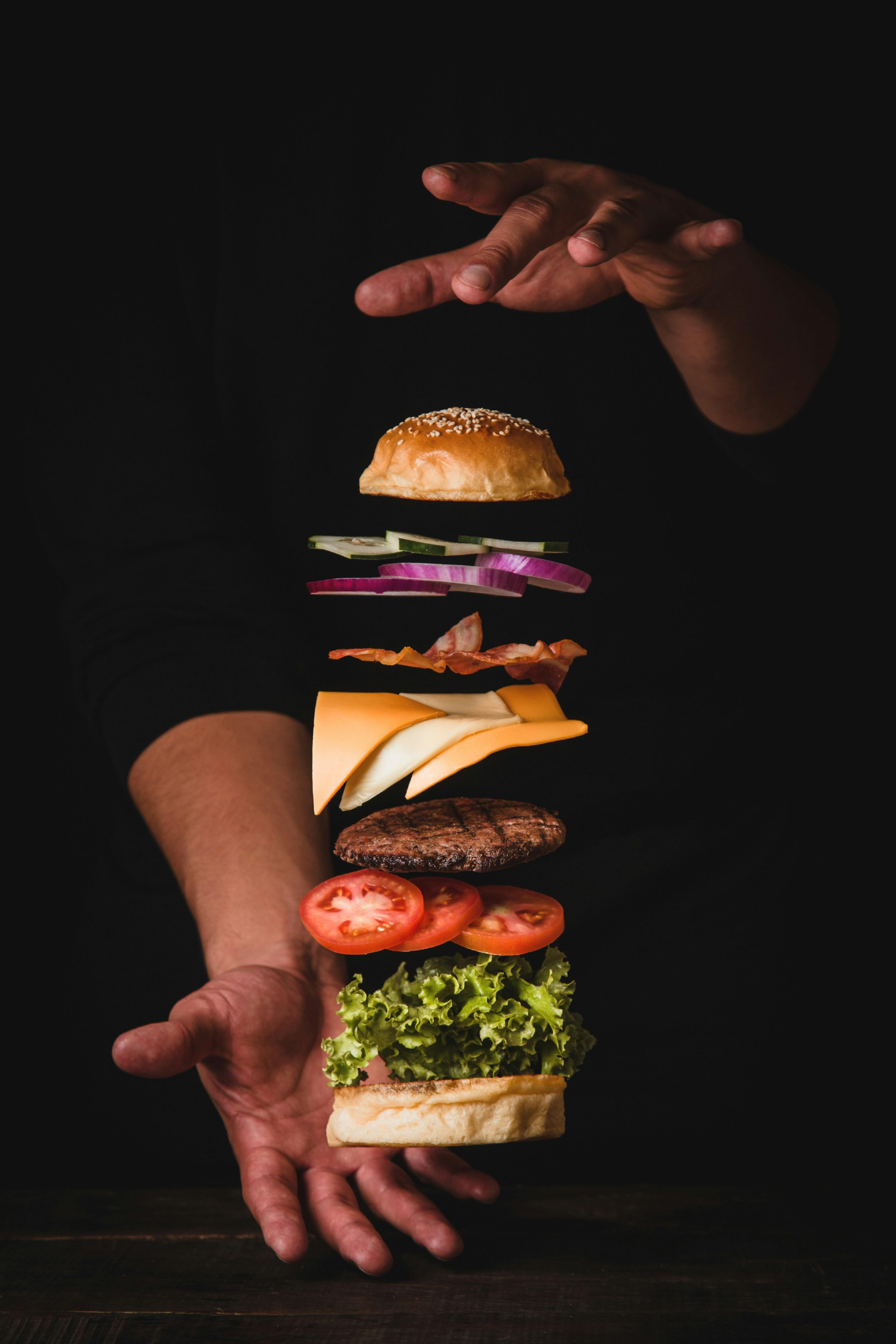
Incorporating fast food into a balanced diet is entirely feasible with a savvy approach.Individuals can enjoy their favorite quick meals while still prioritizing nutrition. The key lies in making informed decisions about portion sizes and menu selections. opting for grilled over fried options, choosing whole grain buns, or opting for smaller servings can substantially cut excess calories without sacrificing taste. When possible, complement your meal with a side of fruits or salads instead of fries to boost fiber and nutrient intake.
Planning is also crucial when it comes to fitting fast food into a well-rounded diet. The following tips can help guide your choices at fast-food establishments:
- Check nutrition information ahead of time
- Prioritize meals with lean proteins
- Limit high-calorie condiments and sauces
- Skip sugary beverages and choose water or unsweetened options
| Menu item | Calories | Protein (g) | Fat (g) |
|---|---|---|---|
| Grilled Chicken Sandwich | 320 | 29 | 7 |
| Veggie wrap | 250 | 10 | 5 |
| Side Salad (no dressing) | 150 | 5 | 2 |
| Small Fries | 230 | 3 | 11 |
To Conclude
the notion that fast food must be avoided in pursuit of a healthy diet is an oversimplification. As we’ve explored, with mindful choices and a thoughtful approach, fast food can indeed have a place in a balanced diet. By opting for healthier menu options, practicing portion control, and maintaining an awareness of nutritional content, individuals can enjoy the convenience of fast food without compromising their health goals.As the conversation around nutrition evolves, it’s crucial to recognize that moderation and informed decisions are key to integrating fast food into a wholesome lifestyle. For those navigating the fast-paced world of dining, these strategies provide a pathway to enjoying meals on the go while still prioritizing well-being.


