
Ethereum Foundation Plans Strategic Downsizing to Optimize Resources
The Ethereum Foundation is embarking on a strategic shift to enhance operational efficiency and resource allocation. key to this change is a purposeful reduction in the size of the Foundation’s team, allowing a sharper focus on core initiatives that promise the greatest impact.Alongside this downsizing, the association plans to scale back its ETH sales significantly, a move aimed at preserving the cryptocurrency’s value and aligning with long-term community interests. This recalibration reflects a commitment to sustainable growth and responsible stewardship of Ethereum’s broader ecosystem.
Central to this strategy is the prioritization of the ‘CROPS’ framework-an acronym representing the foundation’s focal areas: Client development, Research, Organizational scalability, Protocol upgrades, and Security enhancement. Each of these pillars embodies a critical dimension of Ethereum’s future-proofing efforts, balancing innovation with safety and performance.By concentrating resources on these domains, the Foundation seeks to accelerate progress while mitigating risks associated with rapid expansion or unfocused spending.
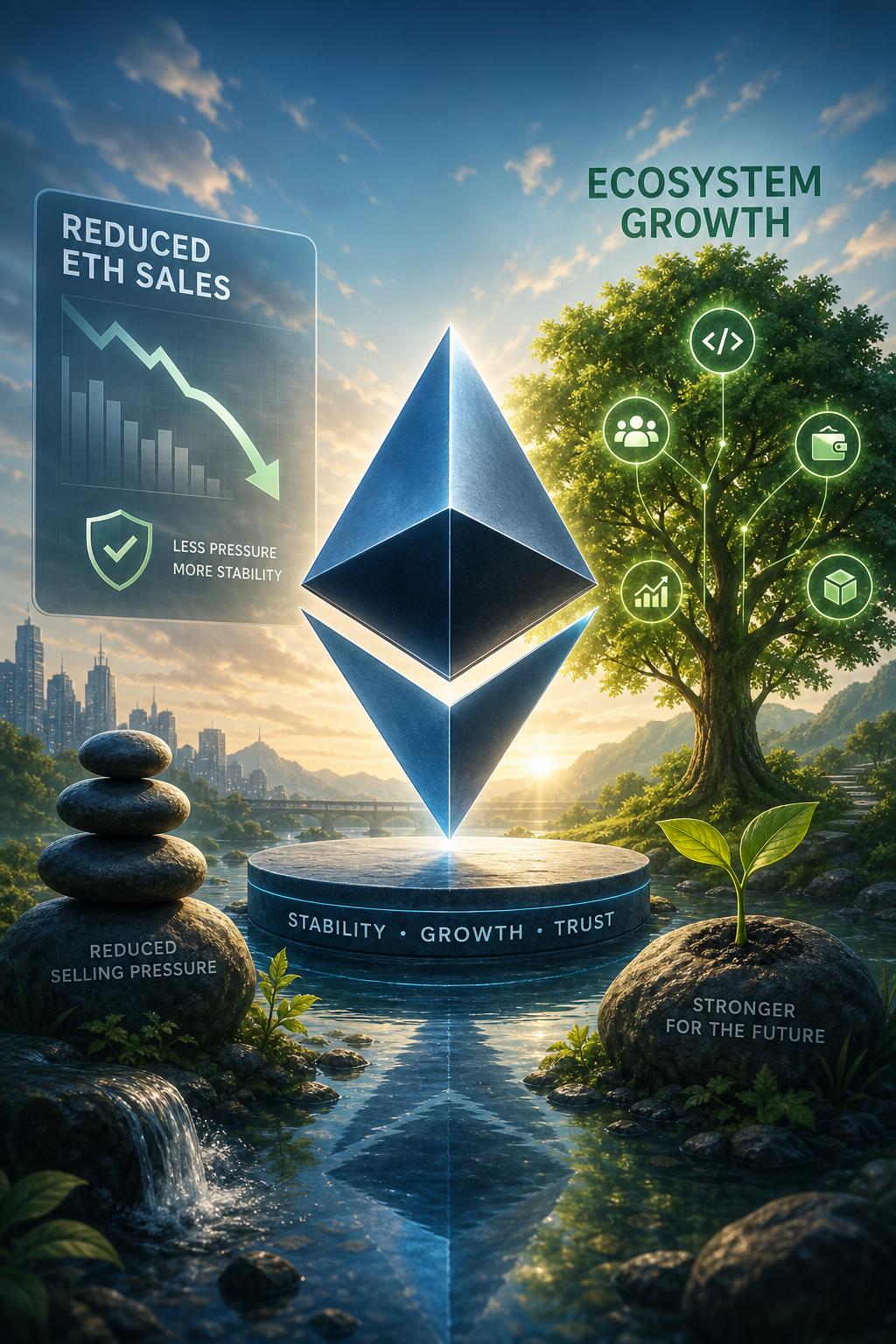
Reduced ETH sales Aim to Stabilize Market and Support Ecosystem Growth
The strategic reduction of ETH sales by the Ethereum Foundation signals a pivotal shift aimed at fostering long-term ecosystem stability.By minimizing the sell pressure traditionally exerted by foundation-held ETH, the market is expected to experience reduced volatility and enhanced investor confidence. This conservative approach enables a healthier price discovery mechanism and aligns with the Foundation’s vision of supporting sustained growth rather than short-term gains.
Central to this initiative is the Foundation’s renewed focus on CROPS-Community,Research,Operations,Partnerships,and Security. emphasizing these pillars facilitates an habitat where innovation and scalability thrive, while also strengthening network resilience.key focus areas include:
- Community Engagement: Empowering developers and end-users through educational programs and obvious governance.
- Research: Accelerating protocol improvements and pioneering novel blockchain solutions.
- Operations: Streamlining processes to ensure efficient resource allocation and project management.
- Partnerships: Fostering collaborations to expand Ethereum’s real-world adoption.
- Security: Prioritizing robustness and safeguarding against emerging threats.
Focus Shift to CROPS Initiative Enhances Sustainable Development Goals
In a meaningful pivot, the Ethereum Foundation’s recent strategic priorities underscore a deeper commitment to the CROPS initiative, directly aligning with global Sustainable Development Goals. This focus shift reflects an understanding that long-term blockchain success requires robust, scalable projects that not only enhance technological infrastructure but also generate tangible environmental and social benefits. By channeling resources and expertise into CROPS, the Foundation positions itself to drive innovation in **carbon reduction, renewable energy integration, open-source ecosystem growth, public good funding, and scalability** enhancements.
The CROPS initiative serves as a multifaceted framework to systematically address pressing challenges within the blockchain space while supporting sustainable, equitable development.Key components include:
- Carbon Reduction: Implementing protocols that minimize Ethereum’s environmental footprint.
- Renewable Energy: Incentivizing clean power use in node operations and mining alternatives.
- Open-source Growth: Expanding developer engagement to foster diverse, community-driven projects.
- Public Good Funding: Aligning treasury resources with initiatives that offer widespread societal benefits.
- Scalability: Enhancing transaction throughput and network efficiency to support global adoption.
| Focus Area | Impact Metrics | Expected Outcome |
|---|---|---|
| Carbon Reduction | GHG Emissions ↓ 50% | Lower environmental impact |
| Renewable Energy | Renewables ↑ 70% | Cleaner infrastructure |
| Open-source Growth | Contributors ↑ 40% | Stronger community resilience |
| Public Good Funding | Grants Allocated ↑ 3x | Broader societal reach |
| Scalability | Throughput ↑ 5x | Enhanced user experience |
Recommendations for Stakeholders Amidst Ethereum Foundation’s New Direction
Stakeholders are encouraged to re-evaluate their engagement with the Ethereum ecosystem considering the Foundation’s decision to streamline operations and reduce ETH liquidity events. Prioritizing long-term value creation over short-term gains,participants should focus on aligning with the Foundation’s pivot towards *CROPS*-a strategic framework emphasizing Consensus,Research,Optimization,Protocols,and Security. This shift signals enhanced protocols designed to boost network resilience and efficiency, underscoring the importance for validators and developers to enhance staking strategies and maintain robust node participation.
Adopting best practices in this evolving landscape involves:
- Optimizing staking mechanisms to capitalize on improved block production protocols and minimize slashing risks.
- engaging actively in governance to influence future decisions under the new direction with a leaner foundation footprint.
- Supporting research and innovation initiatives that directly align with CROPS priorities to foster sustainable ecosystem growth.
- Monitoring ETH supply dynamics carefully as reduced Foundation sales may impact market liquidity and price stability.