

In a world increasingly defined by economic realignments and digital innovation, the BRICS nations are positioning themselves at the forefront of financial evolution. Recently, Russian Finance Minister Anton Siluanov underscored the pivotal role that digital assets will play in shaping the future of this bloc, wich includes Brazil, Russia, India, China, and South Africa. As discussions surrounding the establishment of a BRICS currency and alternatives to customary financial systems like SWIFT gain momentum, Siluanov’s remarks highlight a significant shift in how these emerging economies view digital finance as a tool for fostering greater economic independence and resilience. This article explores the implications of the Russian Finance Minister’s insights and what they mean for the broader international financial landscape.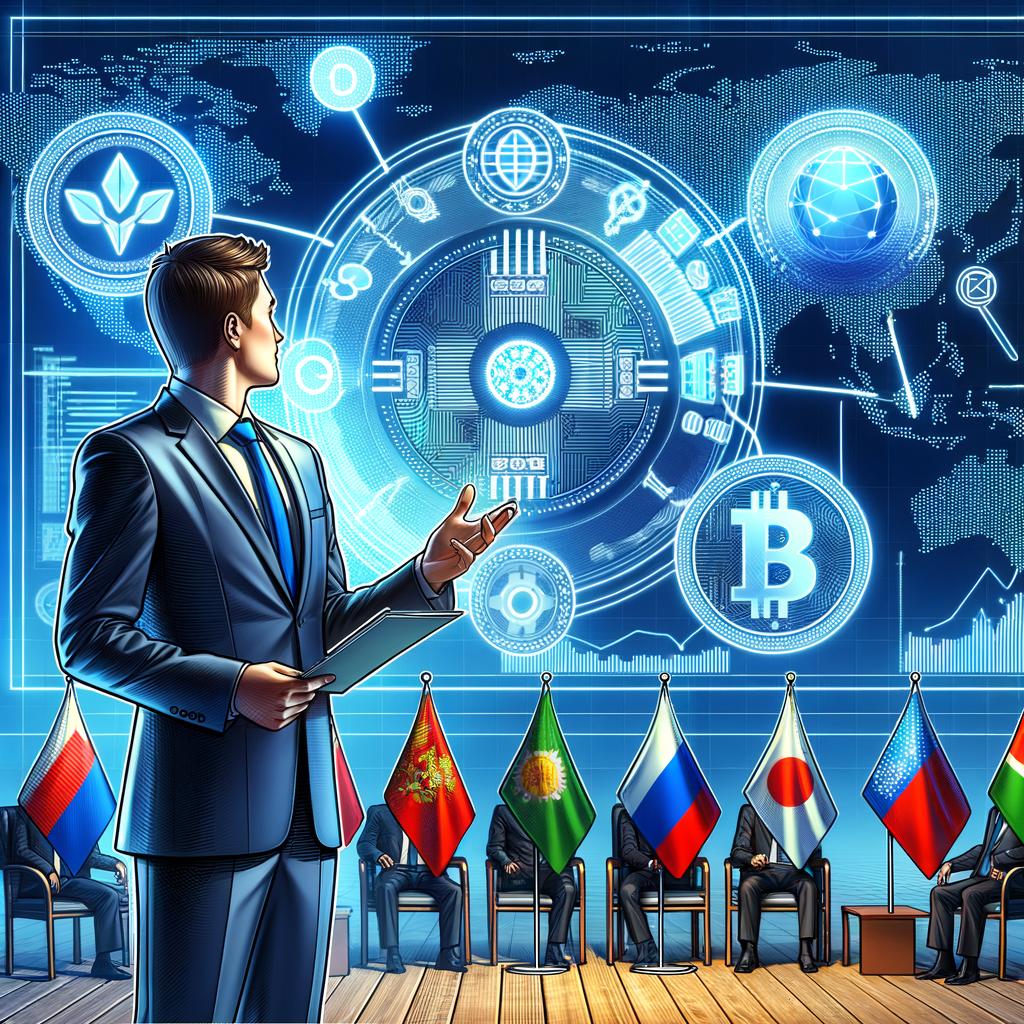
Russian Finance Minister Advocates for Digital Assets in BRICS Economic Strategy
The Russian Finance Minister has made a compelling case for integrating digital assets into the economic strategies of BRICS nations,emphasizing their potential to enhance financial stability and facilitate international trade. With the growing acceptance of cryptocurrencies and digital currencies across the globe, the minister believes that BRICS could benefit significantly from embracing these innovations.This reflects a broader trend among member countries seeking to diversify their financial systems and reduce reliance on traditional banking frameworks.
In his address, the minister outlined several key benefits associated with the adoption of digital assets in BRICS economies, including:
- Increased efficiency: Digital transactions can significantly speed up processes, reducing the time and costs associated with cross-border payments.
- Financial inclusion: Digital assets could provide access to financial services for underbanked populations, notably in emerging markets.
- Resilience against external shocks: By diversifying their assets,BRICS nations can mitigate the impact of global economic fluctuations.
Additionally, the minister acknowledged the need for regulatory frameworks that ensure the safety and security of digital transactions. He stressed that a coordinated approach among BRICS members is essential to harmonize regulations and foster an habitat conducive to innovation. The call to action reflects a growing understanding among BRICS countries of the importance of staying competitive in a rapidly evolving financial landscape,positioning themselves as leaders in the adoption of digital assets.
Exploring the Potential of a BRICS Digital Currency and Financial Integration
The emergence of a digital currency within the BRICS framework presents a novel approach to enhancing financial integration among its member nations. As countries like Brazil, Russia, India, China, and South Africa face economic challenges and fluctuating currencies, a BRICS digital currency could serve multiple purposes. Such a currency may potentially:
- Facilitate smoother cross-border transactions, reducing reliance on traditional reserve currencies like the US dollar.
- Enhance trade efficiency by lowering transaction costs and processing times.
- Provide a unified digital platform for economic cooperation,fostering deeper financial ties among BRICS nations.
The initiative is not without its challenges. Regulatory hurdles, varying monetary policies, and the differing levels of technological infrastructure among the BRICS nations pose significant obstacles. Furthermore, each member’s unique economic landscape may influence their willingness to adopt a centralized digital currency approach. Concerns regarding the implications for national sovereignty and financial stability also require careful consideration as discussions on this topic advance.Despite these challenges,the potential benefits of a unified BRICS digital currency cannot be overstated. It could enhance resilience against external economic pressures and provide a framework for stabilizing the member countries’ economies in times of financial uncertainty.Furthermore, by promoting financial inclusion, a digital currency may alleviate some barriers that underserved populations in these regions face, thereby driving inclusive growth and economic growth.
additionally, the strategic development of a BRICS digital currency could help member states assert their influence on the global financial stage. This initiative might also inspire similar pursuits among other regions, leading to a potential shift towards multipolar monetary systems. As the global economy continues to evolve, the advancement of a BRICS digital currency could mark a significant step in reshaping international finance, challenging the dominance of established currencies and traditional financial institutions.
The Future of BRICS: Digital Assets as a Catalyst for Economic Transformation
The concept of digital assets within the BRICS nations is gaining traction as a viable tool for economic transformation. These emerging markets are exploring the integration of cryptocurrencies and digital currencies into their financial ecosystems, potentially unlocking new avenues for trade and investment. This shift signifies a pivotal change where traditional finance meets the innovative potential of blockchain technology, enabling seamless transactions and enhancing financial inclusion across diverse populations.
Countries within the BRICS coalition are beginning to strategize around digital currencies,aiming to reduce dependency on established reserve currencies like the dollar. Key developments include:
- Central Bank Digital Currencies (CBDCs): Several BRICS nations are in the pilot phases of implementing CBDCs, aimed at modernizing monetary policy and streamlining cross-border transactions.
- Interoperability: Efforts are being made to ensure that digital currencies from different BRICS countries can transact with one another, promoting greater economic collaboration within the bloc.
- Regulatory Frameworks: As the digital asset landscape evolves, BRICS nations are working to establish coherent regulatory frameworks that safeguard users while encouraging innovation.
The potential benefits of adopting digital assets extend beyond mere financial transactions. They can stimulate economic growth by fostering a more dynamic digital economy. Lower transaction costs, faster payment systems, and increased access to financial services can significantly enhance trade relations among BRICS nations. Moreover, the adoption of such technologies can create opportunities for new industries, which may ultimately lead to job creation and investment in technology and infrastructure.
Global Financial Landscape: BRICS’ Push for Innovation Amidst Economic Challenges
As the global economy continues to navigate turbulence, the BRICS nations—Brazil, Russia, India, China, and South Africa—are taking proactive measures to bolster economic resilience through innovation. These countries have recognized that in order to thrive in an increasingly interconnected and competitive world, they must leverage technological advancements and foster a climate of innovation. Initiatives focusing on digital currencies, financial technology, and blockchain applications are at the forefront of their strategy to enhance economic growth and stability.
The push for innovation within these emerging economies is driven by several key factors:
- Diversification of Economies: By investing in new technologies, BRICS nations aim to reduce their dependency on traditional industries and create a more robust economic framework.
- Enhanced Trade Relations: Developing innovative financial systems facilitates smoother cross-border transactions, strengthening economic ties between member states and beyond.
- Addressing Local Challenges: Innovative solutions are being tailored to meet specific regional needs, such as improving access to finance for small and medium enterprises (SMEs).
Despite their commitment to innovation, the BRICS face significant economic challenges that could hinder their progress.Fluctuations in global market conditions, political uncertainty, and disparities in technological advancement among member nations pose risks.Though, these impediments also present opportunities for collaboration and knowledge sharing. By pooling resources and expertise, the BRICS can create a more cohesive approach to innovation, ultimately strengthening their position in the global financial landscape.
the emphasis on digital assets by the Russian Finance Minister underscores a pivotal moment for the BRICS bloc as it seeks to navigate a rapidly evolving global financial landscape. The potential integration of digital currencies not only reflects a response to the increasing digitalization of economies but also positions BRICS member countries to enhance their economic sovereignty and cooperation. As discussions around a common BRICS currency and alternatives to traditional financial systems, such as SWIFT, continue to unfold, the bloc’s approach to digital assets could play a crucial role in determining its future influence and viability in the international arena. Observers will undoubtedly continue to monitor these developments as they hold significant implications for global trade dynamics and economic alliances.