

Bolivia’s Consideration of Tether’s USDT Integration into National Payments Framework
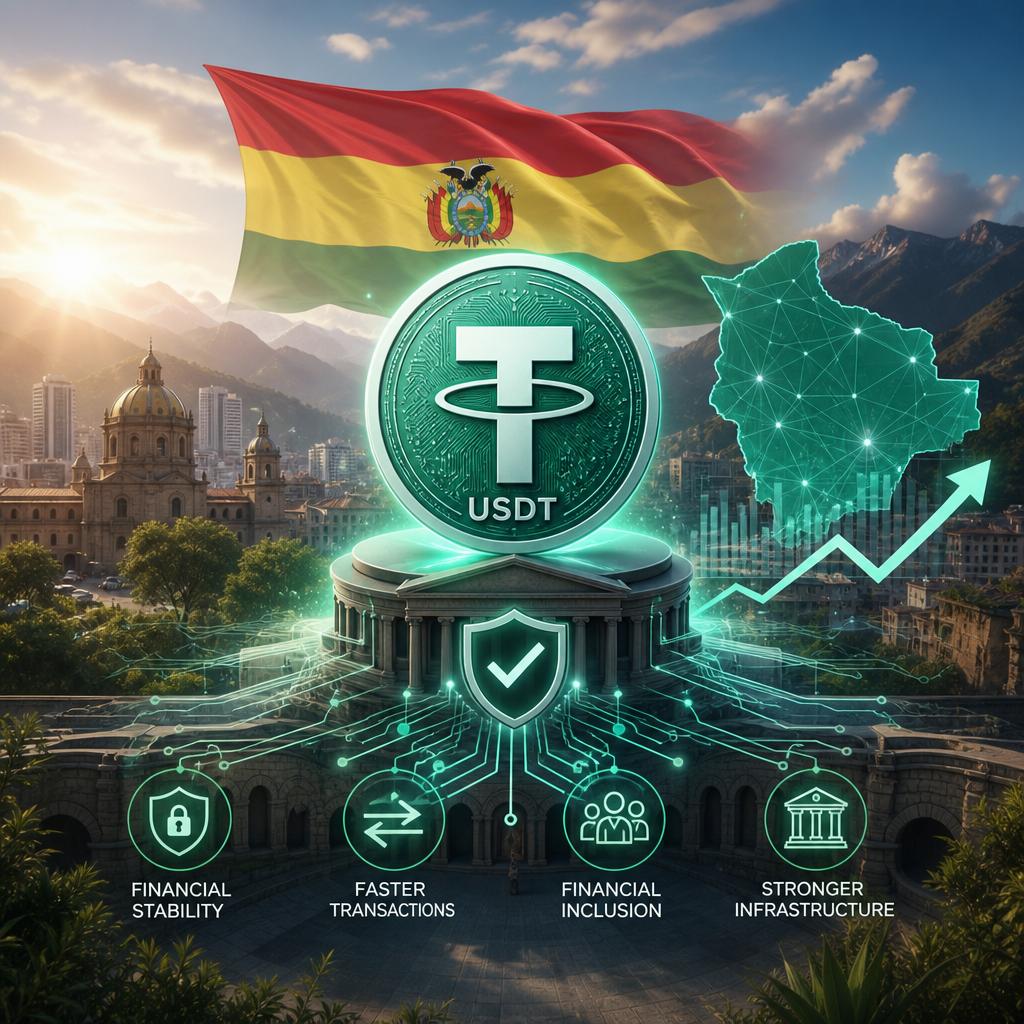
Bolivia is actively exploring the integration of Tether’s USDT stablecoin into its national payments framework, signaling a potential paradigm shift in how digital transactions are processed across the country. This move aims to leverage USDT’s stability and blockchain efficiency to enhance payment speed, reduce transaction costs, and bolster financial inclusion for unbanked populations. By embracing a regulated digital asset like USDT, Bolivian authorities anticipate a streamlined monetary system that could complement the traditional banking infrastructure while introducing greater transparency and security.
Key considerations for this integration include:
- Regulatory compliance to ensure protection against money laundering and fraud.
- Technical infrastructure readiness to support real-time USDT transactions.
- Impact on monetary policy and currency stability within Bolivia’s economy.
- Potential partnerships with fintech companies and blockchain service providers.
| Aspect | Current State | Projected Impact |
|---|---|---|
| Transaction Speed | Minutes to hours | Seconds to minutes |
| Cost Efficiency | Moderate banking fees | Lower fees via blockchain |
| Financial Inclusion | Limited digital access | Enhanced access for unbanked |
Implications of USDT Adoption for Bolivia’s Financial Infrastructure Stability
Integrating Tether’s USDT into Bolivia’s national payments system could signify a transformative leap for the country’s financial infrastructure. As a stablecoin pegged to the U.S. dollar, USDT offers the promise of reduced volatility compared to traditional cryptocurrencies, which may help mitigate currency risk for both consumers and businesses. This adoption could streamline cross-border transactions, lower remittance costs, and increase financial inclusion, particularly in underserved regions with limited access to traditional banking services. However, it also raises critical concerns regarding regulatory oversight, cybersecurity resilience, and the stability of Bolivia’s monetary policy framework. Ensuring robust compliance mechanisms and system safeguards will be essential to maintain trust and stability within this evolving ecosystem.
- Enhanced liquidity: USDT can provide greater access to global markets and digital assets without the traditional banking delays.
- Financial inclusion: Potential to bring more unbanked populations into the formal financial system through digital wallets.
- Regulatory challenges: Necessity for clear frameworks to monitor transactions and prevent illicit activities.
- Monetary impact: Central Bank must evaluate the influence of stablecoin circulation on national currency demand and inflation control.
| Aspect | Potential Benefit | Risk Factor |
|---|---|---|
| Transaction Speed | Near-instant settlements | System outages or network congestion |
| Cost Efficiency | Lower fees compared to traditional remittances | Hidden intermediary fees or exchange rate fluctuations |
| Transparency | Blockchain auditability of transactions | Privacy concerns and regulatory scrutiny |
Regulatory Challenges and Compliance Strategies in Implementing USDT in Bolivia
Introducing Tether’s USDT into Bolivia’s national payments infrastructure confronts multiple regulatory hurdles. The government must navigate anti-money laundering (AML) statutes and counter-terrorism financing (CTF) regulations to ensure that the stablecoin is not exploited for illicit activities. Compliance agencies are increasingly wary of digital assets, emphasizing the need for clear guidelines to monitor transactions effectively without stifling innovation. Furthermore, Bolivia’s financial authorities must harmonize local laws with international regulatory frameworks, including FATF recommendations, to maintain credibility and foster investor confidence.
To address these challenges, Bolivian regulators could implement a multi-tiered oversight approach featuring:
- Robust KYC protocols requiring exchanges and payment gateways to authenticate user identities thoroughly.
- Real-time transaction monitoring systems leveraging blockchain analytics to detect suspicious patterns promptly.
- Periodic audit requirements for institutions handling USDT to ensure transparency and operational integrity.
| Compliance Element | Purpose | Implementation Challenge |
|---|---|---|
| KYC Verification | Prevent fraudulent accounts | Balancing user privacy and regulation |
| AML Monitoring | Detect illicit financial flows | Real-time data integration complexity |
| Regulatory Reporting | Maintain oversight transparency | Ensuring timely and accurate disclosures |
Adopting these strategies will be critical for Bolivia to safely integrate USDT, creating a resilient and compliant digital payments landscape poised for broader adoption and economic inclusion.
Recommendations for Ensuring Secure and Transparent Use of USDT in National Transactions
To guarantee the secure and transparent integration of USDT into national payment infrastructure, it is vital to implement robust regulatory frameworks that clearly define operational standards for all stakeholders involved. Rigorous Know Your Customer (KYC) and Anti-Money Laundering (AML) procedures must be mandated to diminish illicit activities, ensuring that digital transactions maintain traceability and accountability. Additionally, deploying advanced blockchain monitoring tools can provide real-time oversight, enabling swift detection and response to suspicious behaviors without compromising user privacy.
Transparency should be further reinforced through mandatory regular audits and public disclosures by the entities managing USDT reserves and processing transactions. Governments and financial institutions must collaborate to establish
| Key Recommendation | Expected Outcome |
|---|---|
| Comprehensive KYC/AML protocols | Mitigation of fraud and money laundering |
| Blockchain transaction monitoring | Enhanced oversight and real-time alerts |
| Periodic independent audits | Increased reserve accountability |
| Public transparency reports | Strengthened public trust |
standardized reporting guidelines, strengthening trust among users and institutional partners while fostering a secure environment for digital assets in sovereign economic systems.