

Navigating the Labyrinth of Bitcoin’s Market Performance: A Comprehensive Investigation
In the ever-evolving landscape of digital assets, Bitcoin has emerged as a beacon of innovation and a subject of intense market scrutiny. With its meteoric rise and subsequent price fluctuations, Bitcoin has captured the attention of investors, traders, and economic experts alike. In this comprehensive article, we embark on an in-depth analysis of Bitcoin’s market performance, delving into its historical trends, determining factors, and potential implications for the future of digital finance.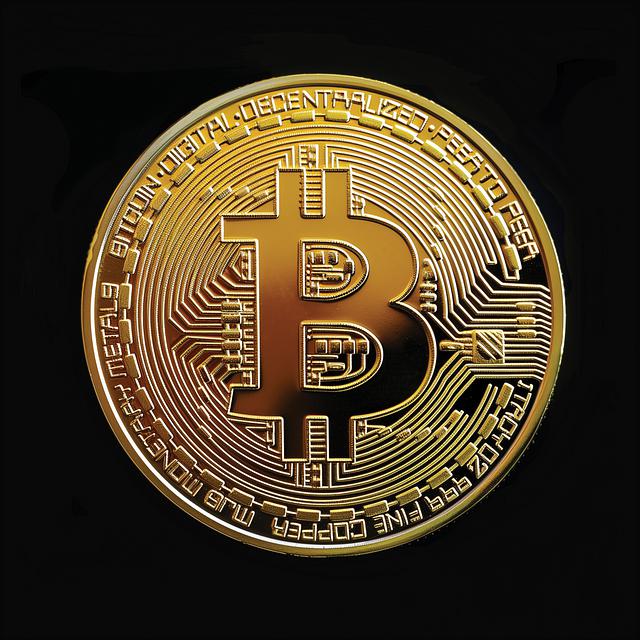
– Bitcoin’s Market Performance: A Comprehensive Overview
Exceptional Volatility:
Bitcoin’s market performance has been characterized by extreme volatility since its inception. Sudden price surges and sharp declines have become common, driven by factors such as regulatory announcements, technological advancements, and global economic conditions. This volatility has attracted both investors seeking high returns and critics who question its stability as a currency or investment.
Market Maturation and Institutional Adoption:
In recent years, Bitcoin’s market has exhibited signs of maturation. Trading volumes have stabilized, and institutions such as investment funds and hedge funds have entered the space. This institutional adoption has lent credibility to Bitcoin and contributed to a more stable price environment, although volatility remains a significant factor. Additionally, the development of regulated exchanges and custodial services has increased confidence among investors, providing a more secure and accessible platform for trading and holding Bitcoin.
– Historical Price Trends and Market Capitalization
Throughout its history, the asset has experienced substantial price fluctuations, driven by a complex interplay of market forces, technological advancements, and global events. Its price trend can be characterized by periods of rapid growth followed by corrections or consolidations, creating a volatile but overall upward trajectory.
The market capitalization, which represents the total value of all outstanding shares, has grown exponentially in recent years, reflecting the asset’s increasing popularity. This surge in market cap is attributed to factors such as institutional adoption, regulatory clarity, and the rise of decentralized finance applications utilizing the asset’s infrastructure.
– Key Drivers of Bitcoin’s Market Value
Supply and Demand: The scarcity and finite supply of Bitcoin create a fundamental driver for its value. Its limited issuance, capped at 21 million coins, coupled with growing demand from institutional and retail investors, provides a foundation for its market value.
Institutional Adoption and Confidence: The growing acceptance of Bitcoin by major financial institutions, such as Fidelity and Grayscale, has played a pivotal role in legitimizing the asset and boosting its credibility. This institutional inflow has fostered increased trust and confidence in Bitcoin, attracting a broader range of investors seeking diversification and exposure to digital assets.
– Future Outlook and Market Predictions
Future projections for the market are largely optimistic, pointing towards continued growth and innovation. A key driver of this expansion is the ongoing demand for advanced technologies, including artificial intelligence, cloud computing, and automation. These advancements are revolutionizing industries, creating new value chains and disrupting existing business models.
Furthermore, the growing adoption of mobile devices and the increasing penetration of the internet globally is expected to fuel market growth. This expansion creates immense opportunities for businesses to engage with consumers and capture new revenue streams. However, market dynamics are subject to unforeseen events, such as economic downturns, changes in government policies, and technological breakthroughs.
In conclusion, Bitcoin’s market performance has been a rollercoaster ride. The digital currency has experienced extreme volatility, with periods of parabolic growth followed by steep declines. While factors such as geopolitical instability, regulatory changes, and institutional adoption have influenced its price trajectory, Bitcoin’s long-term trend remains uncertain. Investors should approach Bitcoin with caution, understanding its inherent risks and rewards. As the digital asset landscape continues to evolve, Bitcoin’s market performance will likely remain a topic of fascination for analysts, investors, and enthusiasts alike.