
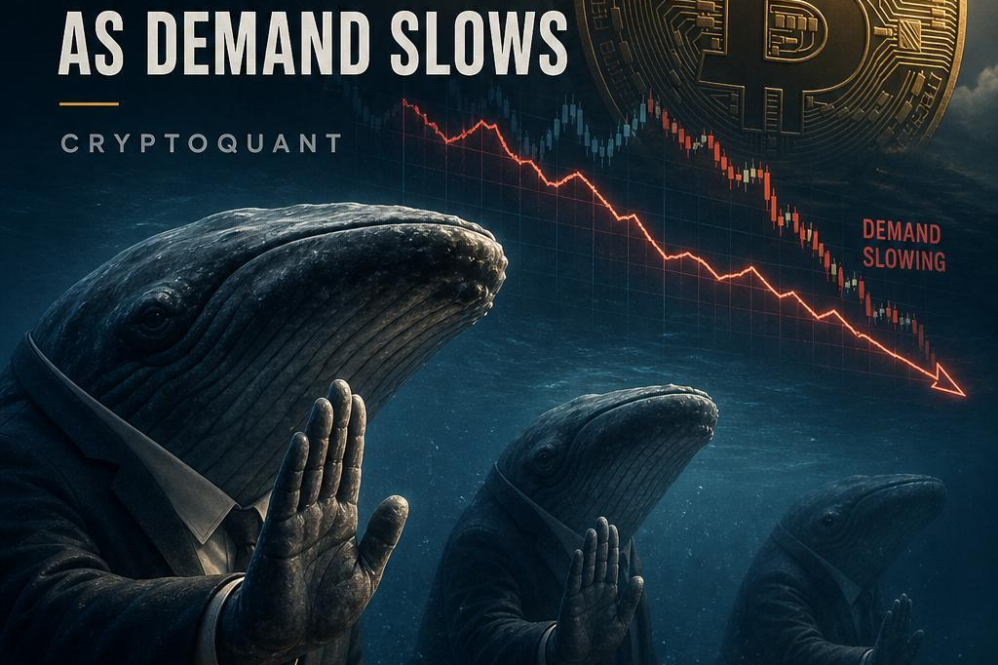
Bitcoin Major Holders pause Purchasing Amidst Declining Market Demand
Recent market observations indicate that major Bitcoin holders-frequently enough referred to as “whales” due to their ample asset volumes-have moderated or paused their purchasing activity amid a phase of declining demand in the market. These entities typically influence price dynamics through large-scale transactions,and their reduced buying interest may reflect current market conditions where the overall demand for acquiring additional Bitcoin has softened. Such a pause can contribute to heightened price stability or further pressure, depending on how other market participants respond in the absence of significant accumulation from these holders.
This progress occurs against the backdrop of broader market forces impacting cryptocurrency trading, including investor sentiment, liquidity levels, and macroeconomic factors. While the pause in acquisitions by major holders highlights a cautious stance, it is indeed vital to understand that this does not necessarily imply a uniform market trend but rather signals a momentary adjustment in behavior. The dynamics between market demand and supply interplay continuously, wiht the actions of large holders forming a significant but not exclusive component of the overall market ecosystem.
Analyzing the Impact of Reduced Buying Activity on Market Dynamics and price Stability
Reduced buying activity in the Bitcoin market can influence overall market dynamics by altering supply and demand balance. When fewer participants enter the market to purchase Bitcoin, this can lead to a decrease in upward price pressure, possibly resulting in more subdued price movements or increased volatility depending on other market factors. The liquidity of the market, which represents how easily assets can be bought or sold without causing drastic price changes, may also be affected. Lower buying volume can constrain liquidity, making the market more sensitive to large trades and contributing to variable price behavior.
It is important to note that the impact of reduced buying activity does not operate in isolation. Other elements, such as selling pressure, macroeconomic conditions, and investor sentiment, play significant roles in shaping Bitcoin’s price stability. Additionally, market participants often adjust their strategies in response to changing activity levels, which can mitigate or amplify effects on price dynamics. Therefore, while diminished buying activity can signal shifts in market momentum, it should be considered within the broader context of multiple interacting factors influencing Bitcoin’s market behavior.
Strategic Recommendations for Investors Navigating a Slowing Demand Environment
In an environment characterized by slowing demand for Bitcoin, investors are encouraged to adopt a measured approach that emphasizes careful analysis and risk management. Understanding market dynamics becomes crucial, as a reduction in trading volume and investor interest can result in increased price volatility and wider bid-ask spreads. Maintaining a diversified portfolio that balances exposure to Bitcoin with other asset classes may help mitigate risks associated with such market conditions. Additionally, staying informed on regulatory developments and technological advancements within the Bitcoin ecosystem can provide valuable context for evaluating investment decisions.
Technical indicators and on-chain metrics serve as essential tools for interpreting shifts in market sentiment and potential future trends. For example, monitoring changes in hash rate, miner behavior, and transaction activity can offer insights into the underlying health and activity of the Bitcoin network.Though, while these indicators add depth to analysis, they do not guarantee specific outcomes, underscoring the importance of combining quantitative data with qualitative assessment. Investors should also remain mindful of liquidity constraints and the broader macroeconomic environment, both of which can influence Bitcoin’s price action and availability during periods of reduced demand.