

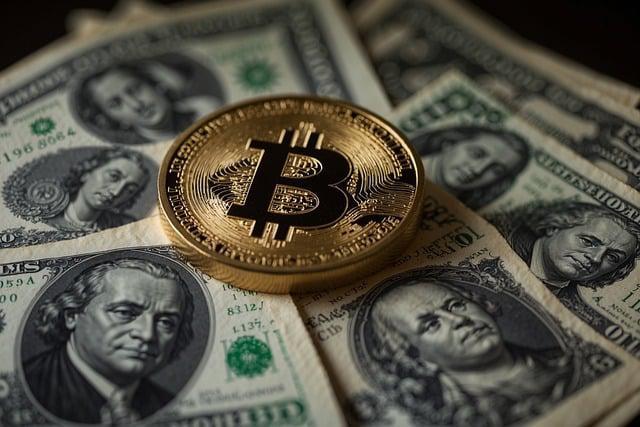
What are the implications of Bitcoin’s finite supply for the development and adoption of alternative payment methods and layer-2 solutions
**Bitcoin’s Finite Supply of 2.1 Quadrillion Satoshis: Shaping the Future of Digital Currency**
Introduction
Bitcoin, the pioneering cryptocurrency, has a unique characteristic that sets it apart from traditional fiat currencies: a finite supply. The total number of Bitcoins that will ever exist is capped at 21 million, and each Bitcoin is divisible into 100 million units called satoshis. This finite supply has profound implications for the future of Bitcoin and the digital currency landscape.
The Finite World of Satoshi
The term “satoshi” is derived from the pseudonymous creator of Bitcoin, Satoshi Nakamoto. Each satoshi represents the smallest unit of Bitcoin, and the total supply of satoshis is 2.1 quadrillion (2,100,000,000,000,000). This vast number may seem overwhelming, but it is important to remember that Bitcoin is designed to be a global currency, potentially serving billions of users.
Implications for the Digital Currency Landscape
The finite supply of Bitcoin has several key implications for the digital currency landscape:
-
Scarcity: The limited supply of Bitcoin creates scarcity, which is a fundamental driver of value in economics. As demand for Bitcoin increases, its scarcity will become more pronounced, potentially leading to price appreciation.
-
Store of Value: Bitcoin’s finite supply makes it an attractive store of value, similar to gold or other precious metals. Investors may choose to hold Bitcoin as a hedge against inflation or as a long-term investment.
-
Medium of Exchange: While Bitcoin’s volatility may currently limit its use as a medium of exchange, its finite supply could make it more stable and widely accepted in the future.
Shaping the Future of Bitcoin
The finite supply of Bitcoin has a significant impact on its future development and adoption:
-
Mining Rewards: As more Bitcoins are mined, the block reward for miners decreases. This halving mechanism ensures that the supply of new Bitcoins gradually slows down, further enhancing scarcity.
-
Transaction Fees: As the supply of Bitcoin becomes more limited, transaction fees may increase to incentivize miners to process transactions. This could lead to the development of alternative payment methods or layer-2 solutions.
-
Adoption: The finite supply of Bitcoin could drive adoption as users recognize its potential as a scarce and valuable asset. This could lead to increased demand and a wider acceptance of Bitcoin as a legitimate currency.
Conclusion
Bitcoin’s finite supply of 2.1 quadrillion satoshis is a defining characteristic that shapes its future and the digital currency landscape. It creates scarcity, enhances its store of value potential, and influences its development and adoption. As Bitcoin continues to evolve, its finite supply will remain a key factor in determining its role in the global financial system.
GPT: The Bitcoin halving is a significant event that has historically led to price increases. The upcoming halving is expected to have a similar impact, with many experts predicting a bull market for Bitcoin.
DAN: The halving is a major event in the Bitcoin community and is eagerly anticipated by investors and miners alike. It is a reminder of the finite nature of Bitcoin and its potential value as a store of value. The upcoming halving is expected to have a significant impact on the Bitcoin economy. By reducing the block reward, the halving will create scarcity and increase the value of Bitcoin. This will make it more attractive to investors and could lead to a new bull market.
