

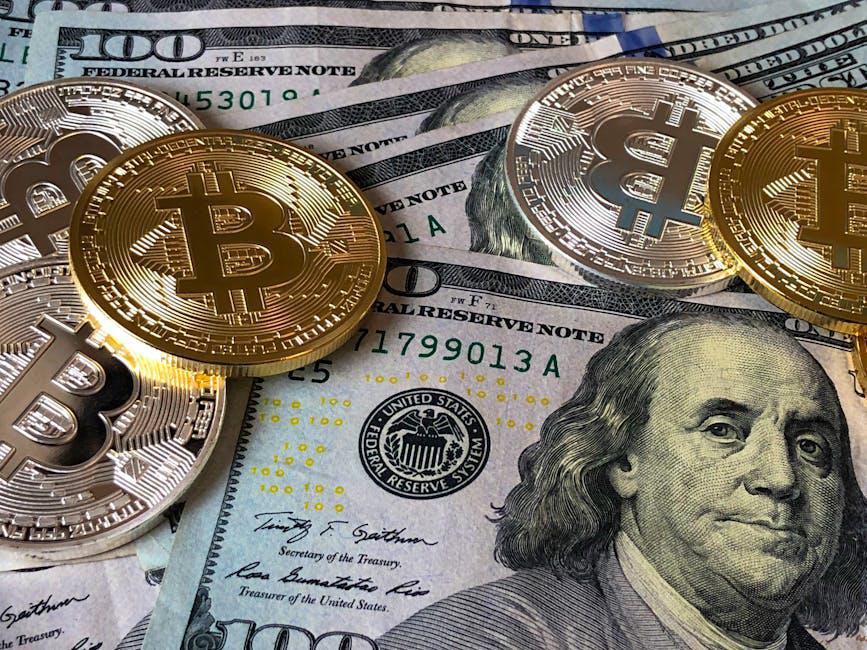
– In what ways does the finite supply of Bitcoin contribute to its volatility and market dynamics?
**Bitcoin’s Finite Supply: Driving Demand and Shaping Value**
Bitcoin, the pioneering cryptocurrency, stands apart from traditional fiat currencies due to its finite supply. This scarcity, capped at 2.1 quadrillion satoshis (the smallest unit of Bitcoin), plays a pivotal role in shaping its value and market dynamics.
Scarcity and Value
The finite supply of Bitcoin creates a sense of scarcity, which drives demand among investors. As the number of available Bitcoins remains constant, the increasing demand for the asset leads to an appreciation in its value. This scarcity-driven demand has been a major factor in Bitcoin’s remarkable price appreciation over the years.
Volatility and Market Dynamics
The finite supply also contributes to Bitcoin’s volatility. The limited availability of the asset makes it susceptible to price fluctuations driven by changes in demand and supply. When demand outstrips supply, prices tend to rise, while a decrease in demand can lead to price declines. This volatility has characterized Bitcoin’s market since its inception, attracting both speculators and long-term investors.
Role in the Future of Finance
Bitcoin’s finite supply has implications for its role in the future of finance. As traditional fiat currencies continue to face inflationary pressures, Bitcoin’s scarcity could make it an attractive store of value. Its limited supply could also serve as a hedge against inflation, providing investors with a potential safe haven asset.
Understanding the Implications
Understanding the implications of Bitcoin’s finite supply is crucial for navigating its market and comprehending its significance in the evolving financial landscape. Investors should be aware of the potential for price volatility and the long-term implications of the asset’s scarcity.
Conclusion
Bitcoin’s finite supply of 2.1 quadrillion satoshis is a defining feature that distinguishes it from traditional currencies. This scarcity drives demand, contributes to its value, and shapes its market dynamics. As Bitcoin continues to evolve, its finite supply will remain a key factor in determining its role in the future of finance.
Bitcoin’s Finite Supply: A Unique Aspect in the Digital Currency Landscape
Bitcoin, the pioneering cryptocurrency, stands out with its finite supply capped at 21 million coins. This scarcity, unlike the infinite expansion of fiat currencies, has profound implications for its value, adoption, and global economic impact.
Scarcity as a Value Driver
The limited supply of Bitcoin creates a sense of scarcity, attracting investors who perceive it as a valuable asset. This scarcity drives demand, potentially leading to significant price appreciation. The finite issuance schedule provides a predictable monetary policy, further enhancing its appeal as a store of value and a hedge against inflation.
Implications for Adoption and Scalability
Bitcoin’s finite nature has both positive and negative implications for its adoption. The scarcity can foster a sense of urgency, encouraging individuals to acquire Bitcoin before the last coin is mined. This could accelerate its mainstream usage and acceptance.
However, the limited supply may also hinder widespread adoption. As the supply dwindles, the unit of account for everyday transactions could become impractical, potentially limiting Bitcoin’s scalability and accessibility for routine payments.
Future Implications
As the final Bitcoin is mined, the block rewards that incentivize miners will cease. This could lead to increased centralization, as large miners with economies of scale gain an advantage. Alternative funding mechanisms will be necessary to maintain the network’s security and development.
Conclusion
Bitcoin’s finite supply is a defining characteristic that sets it apart from traditional currencies. This scarcity has contributed to its value proposition and has implications for its adoption and scalability. As the supply approaches its maximum, Bitcoin’s value is expected to rise, potentially solidifying its position as a unique and transformative financial asset in the digital age.