

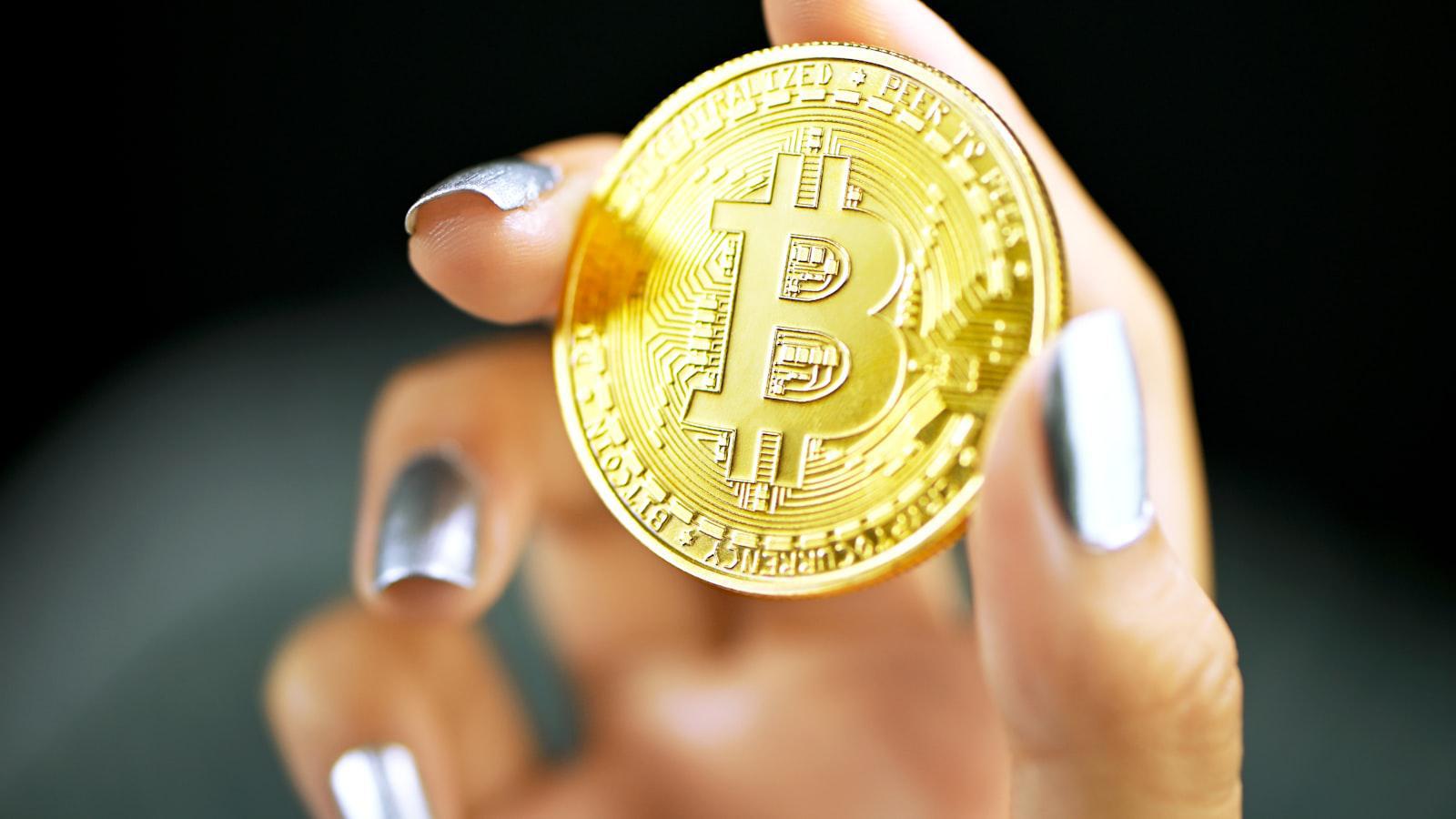
Discuss the similarities and differences between Bitcoin’s finite supply and the finite supply of gold, and how these factors influence their value
**Bitcoin’s Finite Supply: 21 Quadrillion Satoshi, a Digital Treasure Trove**
Introduction
Bitcoin, the pioneering cryptocurrency, has captivated the world with its decentralized nature, anonymity, and potential for financial freedom. One of the most intriguing aspects of Bitcoin is its finite supply, capped at 21 million coins. This scarcity has played a significant role in its value appreciation and has led to comparisons with precious metals like gold.
The Satoshi: The Unit of Bitcoin
The smallest unit of Bitcoin is known as a Satoshi, named after the pseudonymous creator of Bitcoin, Satoshi Nakamoto. One Bitcoin is divisible into 100 million Satoshis, providing a high degree of granularity for transactions. This divisibility allows for micropayments and makes Bitcoin suitable for everyday use.
The Finite Supply of 21 Million Bitcoins
The total supply of Bitcoin is hard-coded into its protocol and cannot be altered. This limit was established by Satoshi Nakamoto and is believed to have been inspired by the finite supply of gold. The finite supply ensures that Bitcoin cannot be inflated by central banks or governments, preserving its value over time.
Scarcity and Value Appreciation
The finite supply of Bitcoin has contributed significantly to its value appreciation. As demand for Bitcoin increases, the limited supply creates scarcity, driving up its price. This scarcity premium has been a major factor in Bitcoin’s remarkable growth since its inception in 2009.
Comparison to Gold
Bitcoin’s finite supply has drawn comparisons to gold, another scarce asset with a long history of value preservation. Gold has been used as a store of value for centuries due to its limited supply and durability. Bitcoin, with its digital nature and finite supply, offers a modern alternative to gold as a safe haven asset.
Implications for Investors
The finite supply of Bitcoin has implications for investors. It suggests that the value of Bitcoin is likely to continue to appreciate over time as demand increases. However, it also means that the supply of Bitcoin is limited, and investors may need to be patient to acquire it.
Conclusion
Bitcoin’s finite supply of 21 million coins is a fundamental aspect of its design. It creates scarcity, drives value appreciation, and positions Bitcoin as a digital treasure trove. As the world continues to embrace cryptocurrencies, the finite supply of Bitcoin will likely remain a key factor in its long-term success.
The Finite Nature of Bitcoin: A Cornerstone of Its Value
Bitcoin’s finite supply, capped at 21 million coins, is a fundamental aspect of its design. This predetermined limit ensures scarcity, enhancing its value as a store of wealth. Unlike fiat currencies, which can be subject to inflationary pressures, Bitcoin’s fixed supply protects against value erosion.
The concept of a finite supply was meticulously engineered by Bitcoin’s founder, Satoshi Nakamoto. By setting a finite limit, Nakamoto aimed to create a digital currency with the monetary attributes of gold and silver. These precious metals have historically been valued for their scarcity, and Bitcoin’s finite supply emulates this characteristic.
The 21 million cap provides a strong foundation for Bitcoin’s long-term appreciation. As adoption grows and demand outstrips supply, the finite nature of Bitcoin will likely drive a price increase in a manner similar to how scarcity has affected the value of physical commodities. This finite supply, a key differentiator and cornerstone of Bitcoin’s design, is a testament to its potential as a durable and valuable asset.
Market Dynamics and Investment Considerations
Understanding the ramifications of Bitcoin’s limited supply is crucial. A total of only 21 million Bitcoin can ever be created, introducing scarcity and uniqueness that significantly influences market dynamics. This supply cap has profound implications for both investors and speculators, creating a dynamic that constantly influences trading strategies.
The fixed supply nature of Bitcoin distinguishes it from fiat currencies or commodities whose supply can be expanded by central banks and governments. This distinction elevates Bitcoin to a distinct asset class, one characterized by its finite quantity. Such scarcity has a direct impact on price discovery, often driving appreciation as demand surges.
Investors seeking exposure to this novel asset class should recognize its distinctive qualities and the potential risks associated with it. Given Bitcoin’s limited supply, market volatility and price movements can be significant. Nonetheless, the inherent scarcity provides a compelling reason for investors to consider Bitcoin as a long-term investment, with its potential for value appreciation in the face of inflationary pressures and economic uncertainties.
Forecasting Bitcoin’s Future Value
The premise of Bitcoin’s scarcity lies in its finite issuance schedule. The total supply is capped at 21 million coins, determined by the algorithm formulated by its creator, Satoshi Nakamoto. This scarcity becomes even more pronounced when considering that each Bitcoin can be further divided into 100 million units, known as Satoshis. This granularity and finite nature amplify Bitcoin’s potential as a store of value.
The growing demand for Bitcoin is another pivotal factor shaping its future value. As more individuals and institutions recognize the advantages of decentralized finance, Bitcoin’s position as a reputable and scarce asset drives its appeal. Its independence from central authorities and potential use as an inflationary hedge fuel its demand.
Adoption plays a significant role in shaping Bitcoin’s trajectory. As its ecosystem expands through advancements like the Lightning Network and the emergence of decentralized applications (dApps) built on the Bitcoin blockchain, its utility and reach increase. This adoption widens Bitcoin’s user base, enhances its functionality, and fosters long-term value appreciation.
Recommendations for Investors
Strategic Allocation and Long-Term Perspectives
For investors, understanding Bitcoin’s finite nature is crucial for developing a sound investment strategy. Limited supply is an inherent attribute of Bitcoin, restricting the number of mineable bitcoins to 21 million. This scarcity provides the asset with intrinsic value, akin to scarce commodities like gold.
Investors should approach Bitcoin as a long-term investment rather than a short-term speculation. Bitcoin’s price may experience significant volatility, but its long-term growth trajectory is supported by its unique monetary properties (i.e., decentralization, scarcity, and verifiability). By allocating a small portion of their portfolio to Bitcoin, investors can diversify risk and benefit from its potential for long-term appreciation.
To maximize returns, investors should adopt a strategic asset allocation approach. This involves combining Bitcoin with other asset classes such as stocks, bonds, and gold. By prudently diversifying assets, investors can reduce overall portfolio volatility while enhancing potential returns.
In conclusion, Bitcoin’s finite nature, capped at 21 quadrillion Satoshis, stands as a unique and intriguing aspect of its design. As the supply gradually approaches this limit, Bitcoin’s scarcity is expected to continue driving its value and solidifying its position as a valuable store of wealth. The limited creation of new bitcoins introduces a deflationary mechanism, creating a potential hedge against inflation and a means for long-term value preservation. While projections and assumptions regarding Bitcoin’s trajectory may vary, its finite nature remains an essential characteristic that sets it apart in the digital currency landscape and continues to captivate the interest of investors, experts, and enthusiasts alike.