
Gold’s Stability Amid Economic Uncertainties
Gold prices have remained steady this week, a trend that underscores the cautious approach of investors in the face of economic uncertainties. Despite the lack of significant price movements, the precious metal continues to serve as a reliable hedge against economic instability. As traditional financial markets watch for signs of economic stability or decline, gold’s resilience in the face of fluctuating market conditions becomes increasingly significant.
The stability of gold can be attributed to a delicate balance between macroeconomic factors and investor sentiment. Economic indicators such as inflation rates and employment figures play a crucial role in shaping investor confidence and predicting market trends. Even though these metrics have not shown any dramatic changes, they are closely monitored by analysts and market participants. This vigilance leads to a conservative investment strategy, where gold is favored as a safe haven asset.
Investors are also closely watching central bank decisions and government policies that could impact economic conditions. Such as, central bank actions regarding interest rates can influence the broader financial market and, by extension, the performance of assets like gold. With ongoing geopolitical tensions and economic policy uncertainties, gold’s stable nature offers a sense of security. However, it’s crucial to note that despite gold’s historical role in providing stability, its performance can still be influenced by broader economic shifts and investor behavior.
Cryptocurrency Market Sentiment Fluctuates Amid Stable Economic Metrics
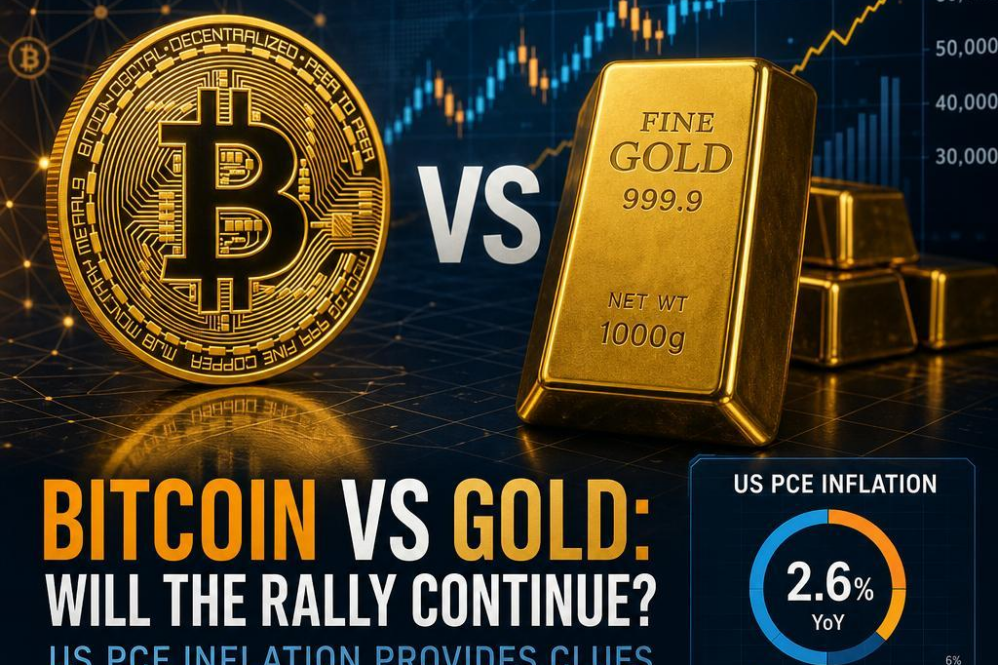
The cryptocurrency market has experienced a range of sentiment swings this week, despite relatively stable conditions in broader economic metrics such as the Personal Consumption Expenditures (PCE) index. This index, which is closely watched for signs of inflation, showed no significant changes from the previous period, indicating that the current moderate inflation levels remain consistent. Such stability can provide some comfort to investors but also underscores the need for caution in a market known for its volatility.
Understanding the interplay between macroeconomic factors and cryptocurrency performance is crucial for long-term investors. Steady inflation rates can suggest a more predictable economic habitat, which might attract investors seeking stability alongside potential for growth. Though, the volatile nature of cryptocurrencies means that shifts in other economic indicators or investor sentiment can still lead to pronounced market movements. Therefore, while the stability of the PCE inflation rate might ease some concerns, it does not eliminate the inherent volatility of the crypto market entirely.
Moreover, it’s important to recognize that the relationship between macroeconomic data points and crypto asset prices isn’t straightforward.For instance, while a stable inflation rate might generally be positive for traditional assets, it can also lead to divergent interpretations within the crypto community. Some might view it as an opportunity for long-term investment, while others might perceive it as a lack of immediate price drivers, leading to short-term fluctuations. As always, the best approach is to stay informed, diversify investments, and be prepared for unexpected market reactions.
Strategic Guidelines for Navigating Cryptocurrency and Gold Investments
Strategic recommendations for navigating the intersection of cryptocurrency and gold markets often involve a careful balance of diversification and risk management. As Bitcoin and other digital currencies face increasing regulatory scrutiny,investors are looking for ways to hedge against potential market fluctuations. Gold, known for its historical role as an inflation hedge and store of value, complements the volatile and high-growth potential of cryptocurrencies. By incorporating both into a diversified portfolio, investors might achieve a better risk-reward ratio, but this requires a deep understanding of both asset classes.
One key consideration is the timing and allocation between Bitcoin and gold. Over the short term, the correlation between Bitcoin and gold can fluctuate, sometimes moving in tandem as a safe haven against broader economic instability and at other times diverging as digital currencies attract speculative interest. Long-term investors might find it more advantageous to hold both for their inherent value and stability during economic uncertainties. However, the exact blend of Bitcoin and gold in a portfolio would depend on an investor’s risk tolerance and financial goals, underscoring the need for thorough research and analysis.
Another aspect to consider is the evolving regulatory environment. Governments worldwide are beginning to take notice of cryptocurrencies, impacting investor sentiment and market confidence. Understanding the potential risks and benefits associated with new regulations is crucial. For instance, some regions might impose strict controls or taxes on digital assets, potentially reducing their appeal as an investment. Conversely, supportive policies can enhance the stability and acceptance of cryptocurrencies, aligning them more closely with traditional financial instruments. Keeping abreast of these developments and their implications is vital for investors trying to navigate the complex interplay between cryptocurrency and gold markets.