
—
Bitcoin ETFs Soar with Record Inflows Despite Market Turbulence
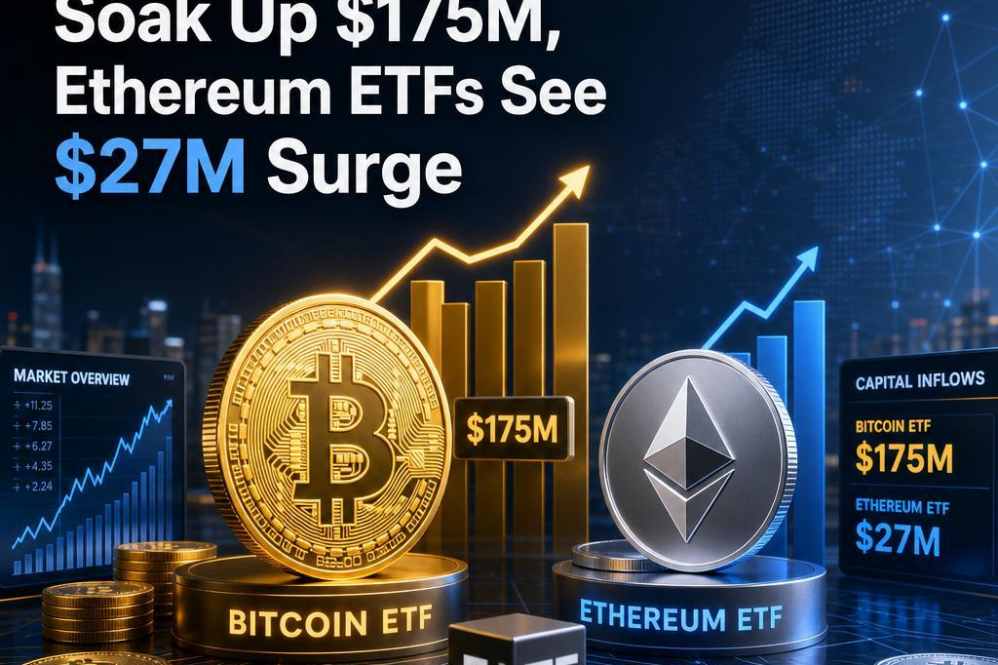
Recent financial trends indicate a important surge in capital inflows into Bitcoin ETFs, amounting to $175 million, even as market uncertainties persist. This influx of investment underscores the growing appeal of Bitcoin ETFs as a means for investors to gain exposure to the cryptocurrency through a familiar investment vehicle. By investing in an ETF that tracks Bitcoin, investors can buy and sell shares representing ownership in a basket of Bitcoin, making it a more accessible option compared to direct crypto ownership.
During times of market instability, investors are increasingly turning to Bitcoin ETFs, which could be interpreted as a sign of growing confidence or a hedging strategy to navigate uncertain conditions. However, it is crucial to acknowledge that while ETFs provide a way to invest in Bitcoin indirectly, they also come with their own set of risks and fees. These include management fees, potential tracking errors, and market liquidity constraints that could affect the ease of buying or selling ETF shares.
The regulatory surroundings significantly influences the progress and acceptance of Bitcoin ETFs. Different regions have varying levels of openness to approving such products, impacting investor access and market dynamics. Despite these complexities, the continued growth in ETF inflows highlights the evolving role of institutional investment in the crypto market. As more players enter the field, the landscape is likely to remain dynamic, necessitating investors to stay informed and cautious as they navigate the intersection of customary finance and digital assets.
Ethereum ETFs Emerge, Attracting Significant Investor Interest
Following the prosperous launch of Bitcoin ETFs earlier this year, the crypto market has seen Ethereum ETFs make a notable entry, attracting $27 million in new investments. The introduction of these financial instruments marks a critical milestone for Ethereum, as it allows a broader demographic of investors to participate easily in the Ethereum market. This influx of capital signals growing mainstream interest in Ethereum and the broader blockchain sector.
The launch of Ethereum ETFs offers institutional and retail investors a regulated and transparent means to gain access to the Ethereum network. Unlike direct ownership of Ethereum, ETFs provide the security and oversight that many investors find appealing. The ability for Ethereum to be commoditized through ETFs underscores the growing recognition of the cryptocurrency as a legitimate investment asset, rather than strictly a speculative instrument.
While the arrival of Ethereum ETFs opens up numerous opportunities, it’s also worth noting that the ecosystem still faces certain regulatory hurdles and market dynamics unique to the crypto world. The ongoing dialogue between regulators and the crypto community aims to strike a balance between innovation and security. As the ecosystem evolves, Ethereum ETFs are poised to play an increasingly pivotal role in bridging traditional financial markets with the nascent world of decentralized finance.
Investor Attitude Indicates Growing Desire for Cryptocurrency Exposure
The recent shift in market dynamics reflects a growing interest among traditional financial investors in diversifying their portfolios with cryptocurrencies. This trend highlights a significant shift in investor sentiment as more individuals and institutions recognize the potential of digital currencies to offer unique financial opportunities. As institutional investors increasingly view cryptocurrencies as a viable asset class, the broader acceptance and utility of these digital assets in the financial markets could expand.
This movement is not isolated and mirrors broader technological and economic trends, such as increasing global adoption and regulatory clarity. As more countries develop clearer guidelines for digital currencies, the risks associated with cryptocurrency investments may become less daunting for mainstream investors. The surge in venture capital funding directed towards blockchain and cryptocurrency startups indicates a growing belief in the long-term value and potential of this technological innovation within traditional finance.
While the expansion of cryptocurrency investment in the financial ecosystem holds promise, it’s vital to acknowledge the inherent risks and uncertainties that come with this evolution. Market volatility, regulatory changes, and technological challenges continue to impact the landscape. Investors should approach this nascent sector with caution,understanding the need for thorough research and a robust risk management strategy. The increasing appetite for cryptocurrency exposure signifies a critical moment in the maturation of digital assets within the global financial framework.
Experts Advise Balanced Allocation to Bitcoin and Ethereum ETFs
Financial analysts are recommending a balanced approach for investors looking to allocate their portfolios to Bitcoin (BTC) and Ethereum (ETH) exchange-traded funds (ETFs). This advice is grounded in the idea that diversification is key, especially in the volatile world of digital currencies. Both BTC and ETH-based ETFs offer a way for investors to gain exposure to these assets without the need for a cryptocurrency wallet or the complexities of trading directly on decentralized exchanges.
The reasoning behind this recommendation stems from the growing acceptance of Bitcoin and Ethereum in mainstream financial markets. ETFs are seen as a bridge between traditional and cryptocurrency investments,allowing investors to incorporate the potential growth of these digital assets into their broader financial plans. Though, it’s critically important to note that ETFs also come with their own set of risks, such as management fees and the potential for regulatory changes that could impact the performance of these funds.
For those who are new to cryptocurrency ETFs, understanding how they work is crucial. These funds typically hold the underlying cryptocurrency and are priced based on the total assets divided by the number of units in circulation. They provide a mechanism for regular investors to participate in the crypto market without the need for technical expertise or direct ownership of the coins. Yet, as with any financial instrument, it’s essential to carefully review the fund’s objectives and strategies before making investment decisions.
—