
—
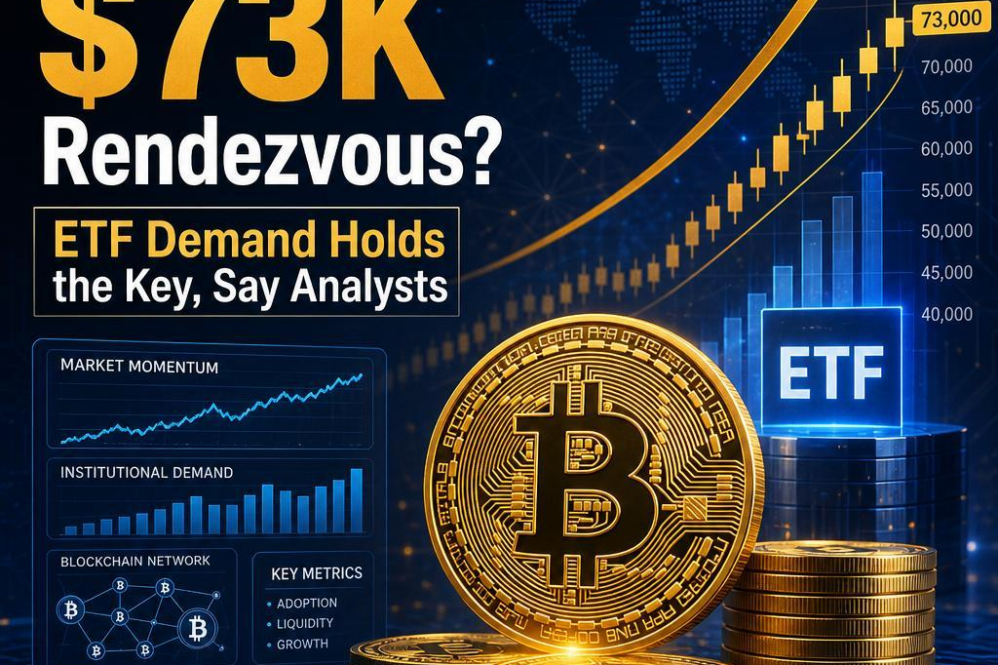
Bitcoin Approaching the $73K Mark: Analysts Link Rising Tide to ETF Interest
Financial analysts are predicting a significant surge in Bitcoin’s value, potentially reaching an notable milestone of $73,000. This forecast is largely attributed to growing interest in exchange-traded funds (ETFs) that focus on cryptocurrencies. These financial instruments offer investors the possibility to gain exposure to Bitcoin without having to manage or hold the digital asset directly.
The entry of customary institutional players into the cryptocurrency market could bring about new dynamics, introducing both stability and legitimacy while potentially tempering speculative tendencies that have been characteristic of crypto markets in recent years. For existing enthusiasts, this influx might dilute their stake as retail participation increases.
With regulatory frameworks for Bitcoin ETFs evolving both domestically and internationally, any news regarding approval or rejection can substantially impact market volatility. Investors must remain vigilant to these developments, which will shape investment strategies across various profiles.
The Impact of ETFs on Bitcoin’s Price Fluctuations
The emergence of ETFs dedicated to Bitcoin has revolutionized the way institutional investors engage with the digital currency market. These instruments provide a familiar avenue for traders to gain exposure through traditional stock-like mechanisms on regulated exchanges,thereby broadening access beyond crypto-specific platforms.
As an ETF gains popularity, it often attracts new investors who might be hesitant about direct cryptocurrency holdings due to security and regulatory concerns. This influx of capital can drive prices up but also introduces volatility that requires careful monitoring by both seasoned and novice traders alike. Despite their benefits in bringing a broader audience into the Bitcoin community, ETFs typically track an index rather than holding actual digital assets.
The interplay between traditional financial markets and Bitcoin through ETFs blurs the lines between conventional investment vehicles and speculative crypto realms. As institutions grow more confident in Bitcoin’s stability as a store of value and hedge against inflationary pressures, ETFs may continue to play a pivotal role in shaping market sentiment and price movements.
The Institutional Factor: How Investor Activity Affects Bitcoin Prices
The relationship between institutional investment and Bitcoin prices is vital for understanding the cryptocurrency market’s health. When institutions allocate portions of their portfolios to Bitcoin, they bring substantial capital and established trading strategies that can influence broader trends.
Institutional investors often operate on longer timelines than retail traders, leading to more stable demand under certain conditions. This prolonged interest helps stabilize and sometimes elevate Bitcoin’s price during volatile periods. However, it’s important not to assume that institutional investment alone will drive prices upward indefinitely without supporting factors like widespread adoption or technological advancements.
When large institutions enter the market, they often need to comply with strict regulations concerning risk management and financial reporting. While this can create challenges, it also fosters greater clarity, potentially encouraging a broader audience to view Bitcoin more favorably as an investment asset.
Exploring the Factors Behind Bitcoin’s Market Dynamics: How ETFs Shape Investor Activity
Exchange-Traded Funds (ETFs) have become a focal point in discussions about how institutional and retail investors interact with cryptocurrencies like Bitcoin.An ETF allows traders to buy and sell a basket of assets using a single trade, similar to trading shares or commodities on an exchange.
The introduction of such products aims to provide a regulated habitat where traditional finance players can gain exposure without dealing directly with digital currency exchanges. This integration has significant implications for market behaviour and liquidity. ETFs frequently attract institutional money due to their perceived lower risk and ease of use, potentially driving up demand and volatility as traders capitalize on new trends.
However, it’s important not to overstate the impact of ETFs alone. While they can bring substantial amounts of capital into the market, their effects are also shaped by broader macroeconomic factors and investor sentiment. Regulatory approval and implementation details in different jurisdictions play a crucial role in determining accessibility for various types of investors around the world.
—