

In recent years, Bitcoin has become a significant player in the global economy, carrying remarkable potential to reshape economic networks and provide a viable alternative to traditional currencies. By disrupting the financial industry, Bitcoin promises to redefine factors such as transaction security and currency stability. This article seeks to explore the potential implications of Bitcoin on the economy as it continues to gain recognition and acceptance.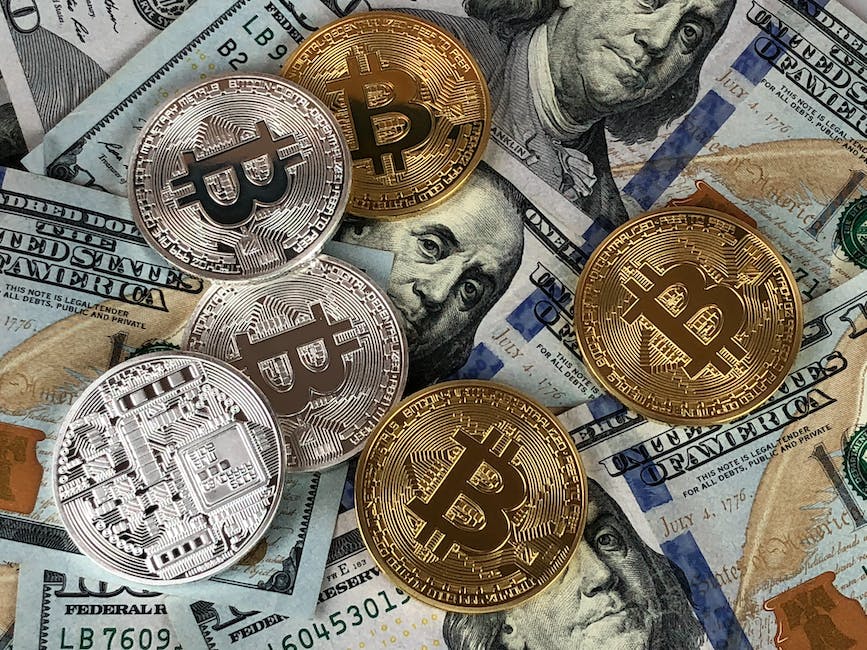
I. Introduction to Bitcoin
Bitcoin is an innovative peer-to-peer digital currency that has revolutionized the world of finance since it was created in 2008. It was the first decentralized currency and it is not backed by a government or commodity. Bitcoin operates on a distributed ledger system known as Blockchain where all transactions are recorded and distributed across a network of computers, making it secure and virtually tamper-proof.
Through Bitcoin, people can securely transfer value at a lower cost than traditional payment methods. Bitcoins are stored in an encrypted wallet, digitally signed with private keys, protecting them from unauthorized access. Bitcoin is the ideal platform for conducting secure, global transactions.
- Advantages:
- Low cost
- Secure
- Global access
- Disadvantages:
- Volatility
- Legal risks
- Lack of adoption
II. Benefits of Bitcoin for the Economy
Reduced Transaction Costs
Bitcoin offers a much faster and more cost-effective way to transfer funds, compared to traditional methods of money transfer. Transactions using Bitcoin are generally completed within minutes, while traditional methods of payment such as wire transfers and bank transfers can take days. Furthermore, unlike bank fees, Bitcoin transactions only incur a minimal fee which is usually a fraction of the cost of traditional transactions. This reduced cost makes transferring funds easier, especially for businesses operating in different countries.
Increased Accessibility
Bitcoin provides a secure platform for a worldwide userbase, regardless of geographical location. With no geographic or currency-related constraints, it has the potential to enable individuals to buy, sell, trade, and invest in assets using the cryptocurrency. This improved access to global markets has tremendous potential to drive economic growth by opening up opportunities for individuals to access capital markets without the need for a bank account. Additionally, its decentralized nature reduces the risk of financial manipulation, thereby encouraging confidence in the financial sector.
III. Risks of Bitcoin for the Economy
Bitcoin has the potential to disrupt systems of currency and payment proceedings like we’ve never seen before. As it gains traction in the mainstream, it’s important to weigh its risks on the global economy.
- Fluctuating Value: Bitcoin is a highly volatile asset, and its value can change drastically over short periods of time. This renders it a poor form of currency and could deter investors who are seeking a secure currency to invest in.
- Regulation: Currently, Bitcoin faces little regulation in place to protect users from hacking, scamming and stolen cryptocurrency. With risk of fraud comes a lack of trust, lack of trust leads to a lack of value, and a lack of value leads to difficulties in adoption.
The potential for Bitcoin in the future of currency is great, but its risks and consequences for the economy must also be considered. The general public must be educated about the potential risks of investing in the digital asset, so they can make informed decisions.
IV. Results of Bitcoin on the Economy
The impact of Bitcoin on the economy has been and continues to be significant. Since its introduction to the world in 2009, its acceptance among global markets as a form of transaction has only increased in volume.
The following points highlight the positive contributions of Bitcoin to the economy:
- Elimination of Middlemen: To transfer funds to different geographic locations, the need for a third party, typically a bank, is eliminated, making Bitcoin transactions more efficient and cost-effective.
- The Mobility of Money: Since Bitcoin is digitally-based, it is easier to move funds from one functioning economy to another, thus increasing the reach of money.
- Increased Transparency: Since all Bitcoin transactions are publicly recorded, the platform emphasizes transparency in the conduct of the business.
In conclusion, Bitcoin has already had a positive impact on global economies in terms of increased efficiency, mobility, and transparency. Despite its volatility, the currency has proven to be resilient against financial shocks by minimizing restrictions and costs elsewhere. It is estimated that alongside its traditional economic counterparts, this cryptocurrency will continue to shape the future economies.
It is clear that Bitcoin has made a significant impact on the economy, and its future implications are exciting. With higher economic security and greater scalability due to its decentralized nature, Bitcoin is sure to continue to shape the financial ecosystem. It will be intriguing to observe the further implications of this revolutionary new currency on the future of the economy.