
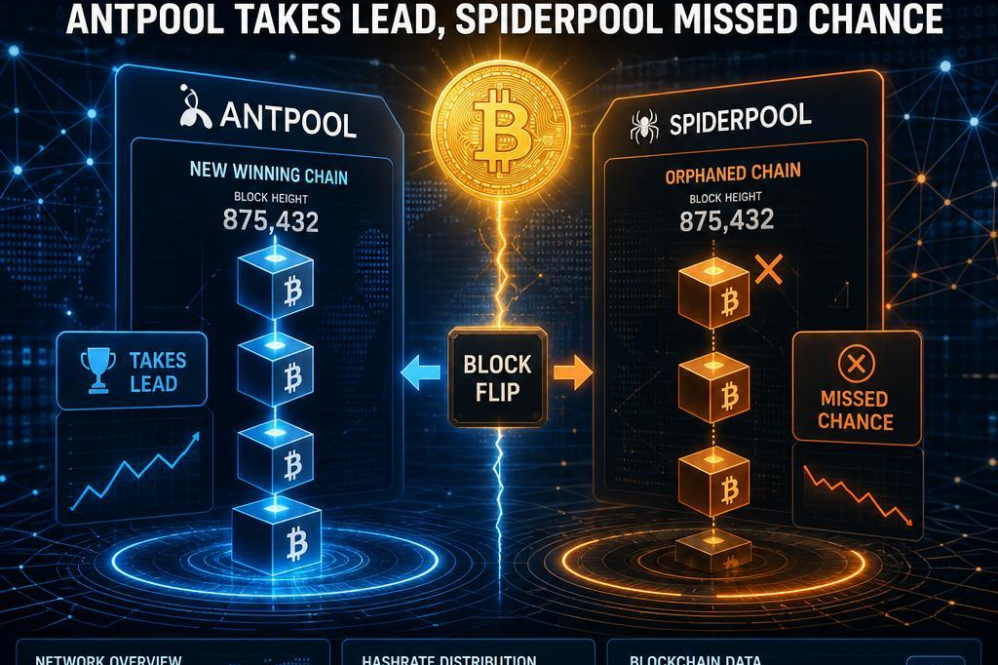
The Dynamics of Block Reorganizations in Bitcoin
Block reorganizations in the Bitcoin network represent a distinctive feature of how transactions are validated and recorded.When a miner successfully solves a cryptographic puzzle to add a block to the blockchain, it becomes part of the chain’s history. Though,if another miner discovers a block with a higher difficulty level and more transaction fees,it can trigger a block reorganization. In such cases, the network adopts the new, longer chain, effectively nullifying the earlier blocks and any transactions within them. This process ensures the Bitcoin network operates securely and prevents double-spending.
Understanding block reorganizations is essential for all participants in the Bitcoin network, including miners, merchants, and individual users. Although these reorganizations are infrequent, especially on chains with multiple confirmations, they underscore the dynamic nature of blockchain validation.Participants must remain vigilant about confirming transactions, as an earlier block confirmation does not guarantee finality. The necessity of waiting for multiple confirmations is crucial to mitigate the risk of a reorganization reversing transactions. For instance, a transaction with six confirmations is highly unlikely to be reversed, as it would require an remarkable amount of computational power to compete with the cumulative work done by the network.
Despite their rarity, block reorganizations highlight critical aspects of how the Bitcoin network maintains its integrity. They remind us that while multiple confirmations offer a strong guarantee, they do not eliminate all risks, making continuous network monitoring an essential practice for participants.
The Influence of Mining Pools on Blockchain Integrity
Decentralization is a basic principle of blockchain technology, ensuring network resilience and security. However, mining pools introduce a layer of complexity to this structure. By aggregating computational power, these pools enable faster block finding for participants. This aggregation, though, can sometimes lead to the concentration of hashing power, which might undermine the decentralized nature intended by blockchain design. The challenge for the cryptocurrency community lies in balancing the benefits of mining pools with the preservation of blockchain integrity.
Mining pools centralize some control within these platforms, possibly concentrating influence over the network’s operations. Despite the risks this concentration might pose, participation in mining pools remains popular due to the enhanced rewards and stability they provide to individual miners. The real concern arises when a single mining pool or a coalition of pools gains too much dominance,threatening the decentralized ethos that underpins the trust in blockchain networks.Understanding and managing these dynamics are crucial for maintaining the health and resilience of blockchain systems.
To mitigate risks associated with mining pool concentration, various solutions are being explored. Promoting smaller, autonomous pools to distribute network control more broadly is one approach. Developers are also refining consensus mechanisms to be more resilient against centralized threats. These efforts serve to safeguard the decentralized framework of cryptocurrencies, ensuring they remain a force for innovation and security in the digital economy. Clarity and ongoing scrutiny of mining pool activities are essential to fostering trust and stability in blockchain ecosystems.
Best Practices for Miners and Nodes in the Bitcoin Network
Maintaining reliability and security in Bitcoin transactions is paramount for miners and nodes operating within the network. Miners play a critical role in validating and recording transactions on the blockchain. This process, known as mining, involves solving complex mathematical puzzles to add new blocks to the chain, a task that demands significant computational power. By doing so, miners not only secure the network but also help maintain its integrity.
To protect the network, miners must adhere to best practices, such as regularly updating their software to patch vulnerabilities and ensuring they operate on a reliable and stable internet connection. Maintaining robust hardware and a healthy mining pool habitat is also crucial. A mining pool comprises multiple miners working together to increase processing power and share mining rewards, thereby enhancing the security and efficiency of the network.
Nodes contribute to the security and reliability of Bitcoin by storing and verifying the blockchain ledger. Nodes must stay up to date with the latest version of the software to participate in consensus mechanisms effectively. This ensures that nodes can accurately verify transactions and block creation without falling victim to security breaches or becoming outdated. Both miners and nodes play indispensable roles in safeguarding the Bitcoin network against potential threats and ensuring its longevity.