

– The Potential Impact of Bitcoin Acceptance in Retail Stores: An Analysis
With the increasing popularity of Bitcoin as a form of digital currency, the potential impact of its acceptance in retail stores is a topic of significant interest and debate. One of the primary advantages of accepting Bitcoin in retail stores is the ability to attract a new customer base that prefers using digital currency for transactions. By catering to this demographic, retailers can potentially increase their customer market and boost sales.
Additionally, accepting Bitcoin can provide retailers with a competitive edge in the market. As more consumers become familiar with and interested in using Bitcoin, retailers that accept this form of payment stand out as forward-thinking and tech-savvy. This can help retailers differentiate themselves from competitors and enhance their brand image in the eyes of consumers.
Moreover, integrating Bitcoin into retail stores can also streamline payment processes and reduce transaction costs. Unlike traditional payment methods that involve intermediaries such as banks, Bitcoin transactions are peer-to-peer and do not require third-party involvement. This can result in faster transaction times, lower fees, and increased efficiency for both retailers and customers.
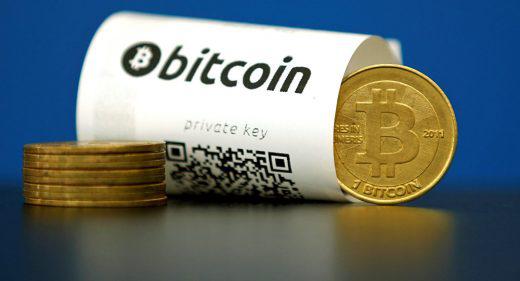
– Factors Influencing the Feasibility of Implementing Bitcoin Payments in Retail Settings
One of the key factors that influence the feasibility of implementing Bitcoin payments in retail settings is the level of technical expertise required. Retailers need to have a strong understanding of how Bitcoin transactions work, as well as the necessary infrastructure to support these transactions. This includes having secure digital wallets, reliable internet connections, and the ability to quickly verify transactions on the blockchain. Without this technical knowledge and infrastructure in place, retailers may struggle to effectively implement Bitcoin payments.
Another factor that can impact the feasibility of Bitcoin payments in retail settings is the regulatory environment. Since Bitcoin is a relatively new form of currency, many governments have yet to establish clear regulations around its use. This lack of regulatory clarity can make retailers hesitant to accept Bitcoin payments, as they may be unsure of their legal obligations and potential liabilities. Additionally, regulatory changes could introduce new costs or requirements for retailers looking to accept Bitcoin, further complicating the feasibility of implementation.
One final factor to consider when assessing the feasibility of implementing Bitcoin payments in retail settings is the level of customer demand. While there is a growing interest in using Bitcoin for transactions, not all consumers are comfortable with or even aware of this payment option. Retailers must consider whether their target customers are likely to use Bitcoin, and whether the potential benefits of accepting this form of payment outweigh the costs and risks associated with implementation. Educating consumers about the benefits of using Bitcoin and providing incentives for using it could help drive demand and make implementation more feasible for retailers.
– Examining the Practicality and Challenges of Retailers Embracing Bitcoin as a Payment Method
In the realm of retail, the integration of Bitcoin as a payment method presents both practical advantages and unique challenges. One practical benefit of utilizing Bitcoin is the potential to attract tech-savvy customers who are seeking alternative payment options. Additionally, accepting Bitcoin can broaden the customer base by appealing to a global audience, as the digital currency transcends geographical boundaries.
On the other hand, there are several challenges that retailers may face when incorporating Bitcoin as a payment method. The volatility of Bitcoin prices poses a significant risk for businesses, as sudden fluctuations in value can impact profit margins. Moreover, the lack of regulatory clarity surrounding Bitcoin raises concerns regarding legal compliance and consumer protection.
- Practicality Considerations:
- Enhanced security features
- Lower transaction fees
- Challenges Faced:
- Price volatility
- Regulatory uncertainty
Overall, the decision for retailers to embrace Bitcoin as a payment method requires a thoughtful assessment of its practicality and challenges. While there are potential benefits such as improved security and cost efficiency, retailers must also navigate the risks associated with price volatility and regulatory ambiguity. By carefully weighing these factors, retailers can determine the feasibility of integrating Bitcoin into their payment systems.
In conclusion, the feasibility of Bitcoin acceptance in retail stores is a complex and multifaceted issue that requires careful consideration of various factors. While there are challenges such as price volatility, regulatory uncertainty, and technical barriers, there are also potential benefits such as lower transaction fees, increased security, and access to a global customer base. Moving forward, further research and analysis are needed to better understand the implications of adopting Bitcoin as a form of payment in the retail sector. By carefully weighing the risks and rewards, retailers can make informed decisions about whether or not to accept Bitcoin, ultimately shaping the future of the digital economy.