
—
Bitcoin ETFs Experience Record Inflows Amid Revived Investor Confidence
Bitcoin exchange-traded funds (ETFs) have recently witnessed a notable surge, with inflows exceeding $380 million in a single week. This marks a notable resurgence following a period of subdued activity, reflecting a renewed sense of optimism among both institutional and retail investors. The influx of funds underscores the growing perception of Bitcoin as a viable financial asset.
ETFs provide a streamlined avenue for investors to engage with Bitcoin without the intricacies of managing a digital wallet or navigating cryptocurrency exchanges. These financial instruments serve as a bridge between traditional finance and the crypto market, broadening access to Bitcoin for a wider audience.
Despite the positive inflows, it’s essential to acknowledge that Bitcoin ETFs come with inherent risks. Market volatility and regulatory uncertainties can substantially impact the appeal of these instruments. Investors must remain vigilant regarding broader economic conditions and regulatory developments, as these factors can influence the trajectory of all crypto-based financial products.
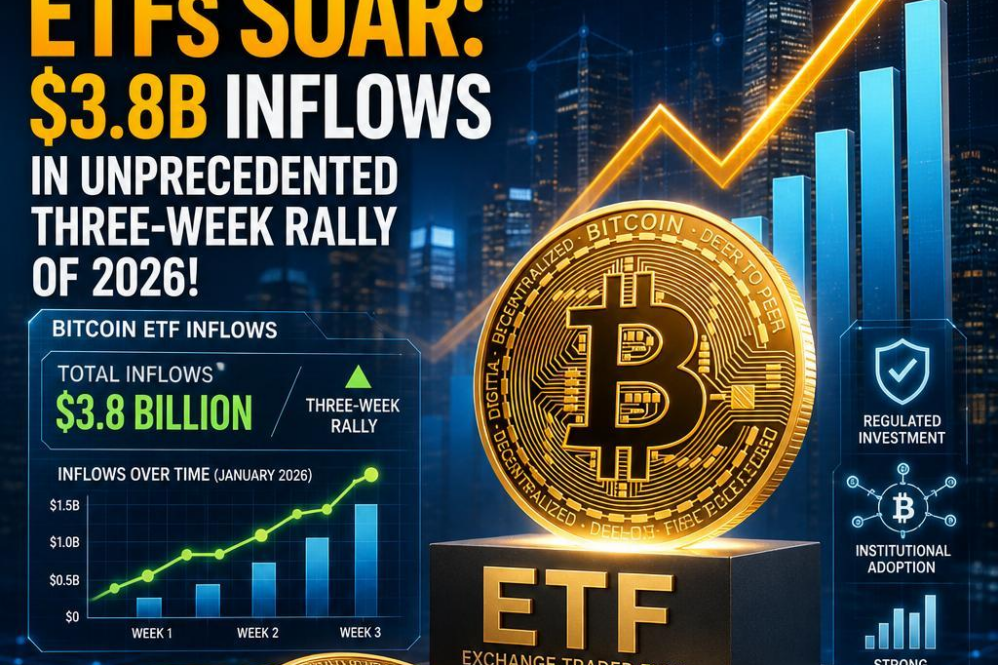
Institutional Interest Fuels Strongest Three-Week Period for Bitcoin ETFs Since 2022
Bitcoin ETFs have recently seen a significant increase in institutional investment, marking the most robust three-week period since late 2022. This uptick highlights a growing preference among institutional players for regulated and accessible investment vehicles to participate in the crypto market. ETFs offer a familiar and reliable way for traditional investors to gain exposure to cryptocurrency pricing without the complexities of directly buying or storing Bitcoin.
The surge in institutional interest in Bitcoin ETFs is part of a broader trend of regulatory approval and public recognition of cryptocurrency as a legitimate asset class. As more countries and financial authorities establish clear guidelines for crypto assets, institutional investors find it easier to incorporate cryptocurrencies into their portfolios. This regulatory shift is pivotal for broader acceptance and future growth, as it introduces a level of oversight that reassures both new and existing market participants.
However, it’s significant to note that regulatory frameworks can vary widely, and the landscape remains complex and evolving. While the surge in Bitcoin ETF interest is encouraging, investors must be aware of the limitations and ongoing challenges, such as fluctuating institutional investment patterns based on broader economic conditions and market volatility.
Strategic Insights for Navigating the Bitcoin ETF Market
As the Bitcoin ecosystem continues to evolve, the recent surge in its value has captured the attention of many investors, including those interested in Bitcoin exchange-traded funds (ETFs). These financial instruments offer a way to gain exposure to Bitcoin without the technical challenges of buying, storing, or using digital currency directly.
Understanding the market dynamics surrounding Bitcoin ETFs is crucial. While ETFs provide a means to access Bitcoin without owning the asset itself, it’s essential for investors to analyze market trends and broader economic factors that influence Bitcoin prices. Key announcements from major exchanges, regulatory developments, and shifts in investor sentiment can all impact the attractiveness and performance of Bitcoin ETFs.
Given the volatility inherent in the cryptocurrency market, strategic insights can make a significant difference in managing risk and maximizing returns. Investors should consider diversifying their portfolios by examining correlations between different financial instruments, including other cryptocurrencies and traditional assets. Understanding the liquidity and fees associated with Bitcoin ETFs is also crucial for effective risk management.
Bitcoin ETFs Attract Record Inflows Amid Market Uncertainty in January
Throughout January, Bitcoin exchange-traded funds (ETFs) experienced unprecedented inflows, a trend that emerged as markets navigated various uncertainties. These ETFs provide a more accessible entry point for investors who may not wish to directly manage and secure their own bitcoins.Essentially, Bitcoin ETFs are financial products that track the price of Bitcoin without the need to hold the underlying asset, making them appealing to a broader investor base, notably institutional investors who value liquidity and regulated markets.
The surge in Bitcoin ETF investment reflects a growing trend where traditional financial institutions and retail investors are shifting towards regulated products for cryptocurrency exposure. This shift is partly driven by the perceived stability and regulatory oversight associated with ETFs,making them a safer option for many in a volatile market. This trend also highlights the evolving maturity of the cryptocurrency market, where traditional finance and digital assets increasingly intersect.
While the inflows into Bitcoin ETFs suggest a rising confidence in the Bitcoin ecosystem among wider investor groups, it’s crucial to note that this trend is not without risks. Regulation in the crypto space varies widely across jurisdictions, complicating investment strategies.Additionally, the performance of ETFs can sometimes diverge from the underlying asset due to factors like management fees and market liquidity. Nonetheless, the robust interest in Bitcoin ETFs points towards an expanding role for cryptocurrencies in mainstream financial portfolios, signifying a potential new era for Bitcoin adoption and integration into conventional finance.
—