

For years, Bitcoin has been lauded as a revolutionary and profitable investment. But in early 2021, the digital currency has once more taken a significant hit, with its value decreasing further all over the world. This begs the question: Is it now time to write off Bitcoin and move on from it?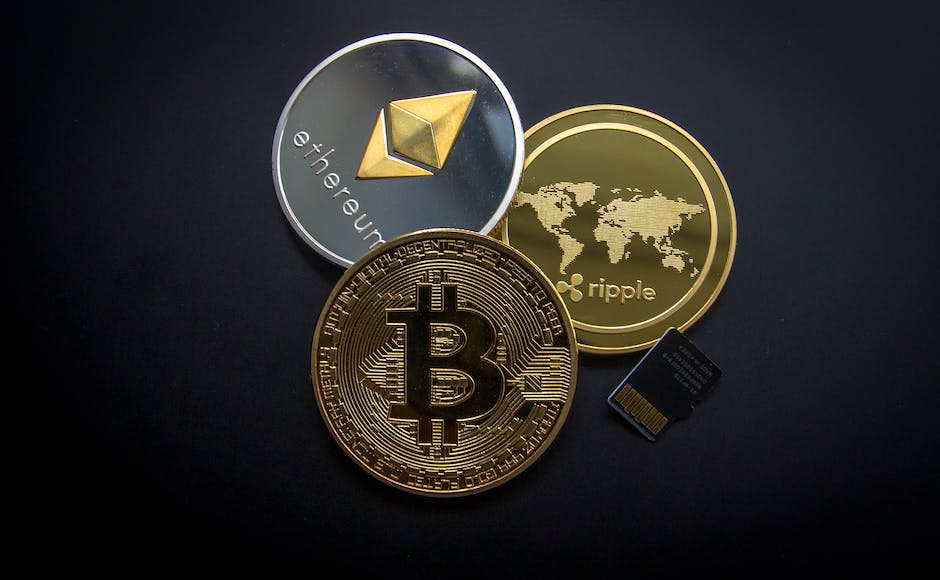
1. Bitcoin Under Fire: Is Cryptocurrency Dying in Its Infancy?
The cryptocurrency market has shown alarming signs of distress in recent weeks, with Bitcoin – the market’s flagship – shedding billions of dollars in market capitalization. The price per Bitcoin token, which had stayed above the $6,000 mark last spring, has since tumbled to around $3,500 at press time.
Analysts have offered a range of explanations for Bitcoin’s crash. Some say that the market has been subject to manipulation, and that Bitcoin’s price increase last year was artificially inflated. Others suggest that the market is simply going through a natural correction, and the price will eventually rebound. Market sources point to major exchange hacks and exit scams as potential sources of instability.
- Regulatory uncertainty – Several governments have cracked down on cryptocurrency exchanges in recent months, leaving investors concerned and confused.
- The emergence of competing coins – In 2017, new tokens and projects began to gain traction, with many offering features that Bitcoin does not.
- Increasing complexity – As Bitcoin has grown, so too has the complexity of buying, selling, and using it.
2. Exploring What Factors Contribute to Bitcoin’s Sudden Decline
The value of the world’s first digital currency took a massive hit as investors panicked and Bitcoin’s market cap decreased by more than US$12 billion over a 24-hour period recently. While the digital currency achieved all-time-highs of over US$58,000 earlier in the year, its value has since declined by a staggering 20%.
As with any dip, the question now is, “What is driving this sudden slide?” Different theories have been presented which include:
- Regulation: Bitcoin’s value has been under pressure since Turkey announced that it will block cryptocurrency-related payments from April 2021.
- Confidence: While many investors previously jumped onto the Bitcoin bandwagon in the hopes of making a profit, the latest crash has perhaps served to shake their confidence in the digital currency, leading them to pull out.
- Max Supply: The rate at which new Bitcoin is mined is slowing down, with just 900 units added to the circulating supply from February to March. As the supply of Bitcoin goes, so does its value.
Ultimately, the effects and extent of each of these factors on Bitcoin remains to be seen. Investors are exploring every avenue to try to understand the volatility of the digital currency and should continue to be aware of news reports and developments in order to protect their investments.
3. Analyzing the Impact of Bitcoin’s Volatility on Cryptocurrency Communities
Cryptocurrency distributions have quickly expanded over the past few years, rapidly becoming more popular and accepted among the mainstream. With new types of digital assets emerging and the turning tides of the markets, it’s important to analyze the impact of Bitcoin’s volatility on cryptocurrency communities.
Since the inception of Bitcoin, its value has undergone vast fluctuations. This has had a major influence the entire crypto market and the way in which investors view it:
- Low prices may lead to a decrease in public interest as fewer people want to buy in.
- High prices may make people think the market is in a bubble and people become more reluctant to invest.
- In both cases, investors will tend to stay away from entering the crypto markets.
The volatile market also affects cryptocurrency communities, which are open and independent networks of people that exchange ideas about the technology. These communities may be more sensitive to the market, as the relatively unregulated nature of cryptocurrencies make it difficult to protect investors from losses. Furthermore, the fluctuating prices of cryptocurrencies can easily lead to disputes over payouts for workers.
This issue of Bitcoin remains as pertinent as ever, with no clear indication of when this situation may resolve itself. It is clear that this issue will be further explored in the future, as Bitcoin remains a prominent staple in the financial technology revolution.