

Bitcoin: A Disruptive Digital Asset and Investment Opportunity
In the realm of finance and technology, Bitcoin has emerged as a transformative force. As a decentralized digital currency and blockchain protocol, it has revolutionized the financial landscape, challenging traditional monetary systems and creating unprecedented investment opportunities. In this article, we delve into the multifaceted aspects of Bitcoin, exploring its disruptive nature, its role as a digital asset, and its potential as a lucrative investment vehicle. We examine its key characteristics, regulatory environment, market dynamics, and long-term implications, providing insights for investors and stakeholders alike.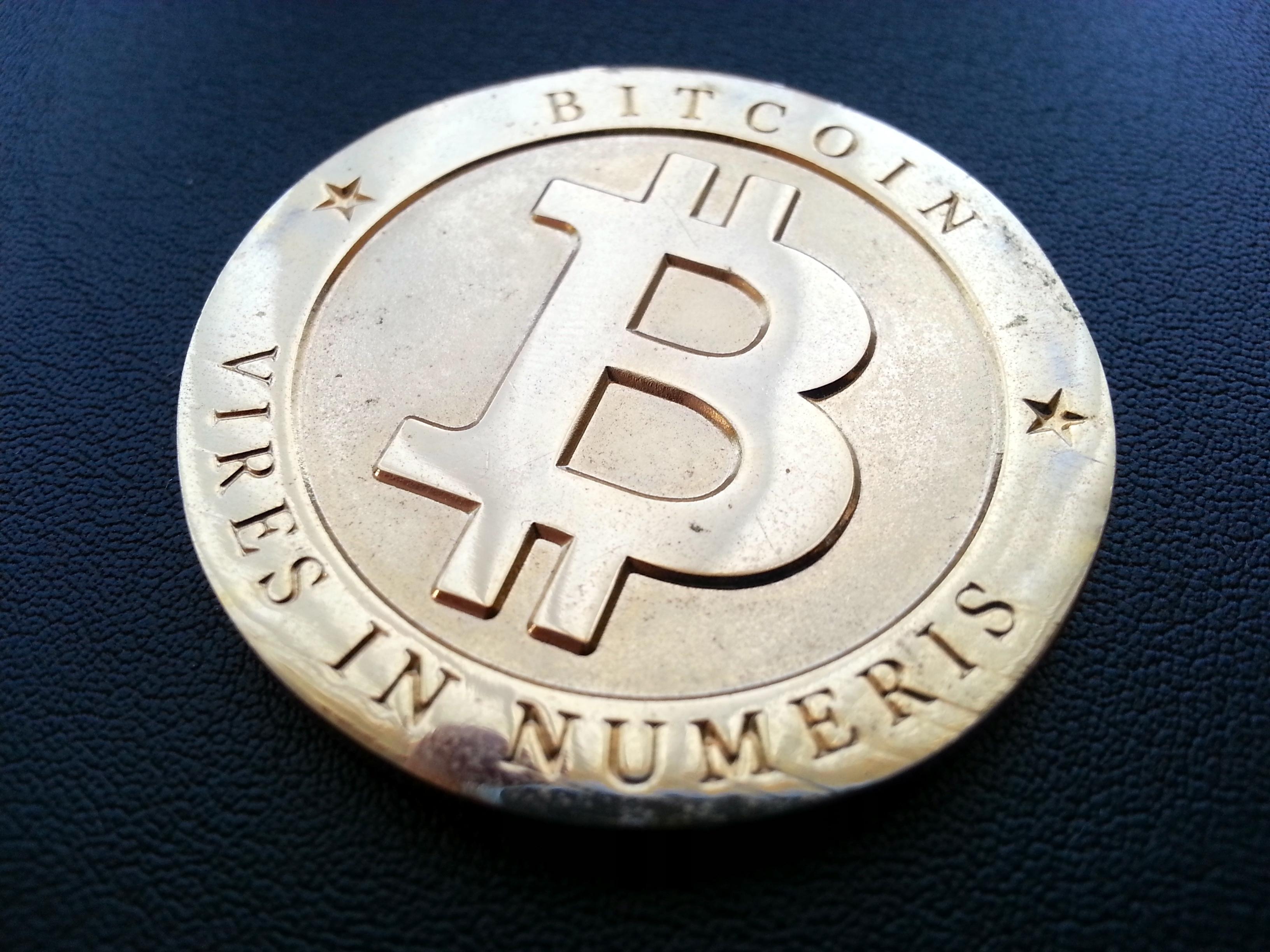
1. The Rise of Bitcoin: A Paradigm Shift in Digital Finance
Paving the Way for a Revolutionary Financial Landscape
The advent of Bitcoin has heralded a transformative era in the world of finance. As the first decentralized digital currency, Bitcoin eliminates the need for intermediaries, empowers individuals with financial autonomy, and challenges the very foundations of traditional financial systems.
Unprecedented Accessibility and Inclusivity
Unlike traditional currencies, Bitcoin is accessible to anyone with an internet connection. It transcends geographical boundaries, democratizing access to financial markets and providing opportunities for the underbanked and unbanked populations. This inclusivity fosters economic growth and financial equity on a global scale.
Enhanced Security and Transparency
Bitcoin’s decentralized architecture and blockchain technology provide unparalleled security. All transactions are recorded on the immutable blockchain, making them virtually unhackable and fraudulent. Additionally, the transparency of the blockchain allows for easy verification and audit, fostering trust and accountability in financial dealings.
Challenging Financial Institutions and Regulation
The rise of Bitcoin has ignited a debate on the role of central banks and financial institutions in the digital age. As Bitcoin operates independently of these entities, it challenges their monopoly on monetary policy and financial regulation. This has led to a reevaluation of the existing regulatory frameworks and sparked discussions on how to adapt to the changing landscape.
2. Understanding Bitcoin’s Unique Characteristics and Investment Potential
Unique Characteristics of Bitcoin
Bitcoin distinguishes itself from traditional financial assets with its inherent technological advancements:
- Decentralized Nature: Unlike fiat currencies controlled by central banks, Bitcoin is maintained by a decentralized network of nodes. This eliminates single points of control and enhances resilience.
- Scarcity: The limited supply of 21 million Bitcoins, combined with its increasing adoption and demand, contributes to its perceived investment value.
- Immutability: Transactions recorded on the Bitcoin blockchain are permanent and tamper-proof, providing a high level of security and assurance.
Investment Potential
Bitcoin’s unique characteristics have attracted attention as a potential long-term investment:
- Growth Potential: The limited supply and growing adoption have spurred enthusiasm for Bitcoin’s price appreciation.
- Diversification: Diversifying portfolios with Bitcoin can potentially reduce risk due to its low correlation with traditional markets.
- Inflation Hedge: Some investors believe Bitcoin’s limited supply and digital nature may protect against inflation.
In conclusion, Bitcoin continues to disrupt the financial landscape as a transformative digital asset with groundbreaking possibilities. Its decentralized nature, security, and investment potential have positioned it as a formidable force in the financial ecosystem. Embracing Bitcoin and its underlying blockchain technology presents investors with an opportunity to participate in the ongoing digitization and democratization of finance. As Bitcoin matures and gains wider acceptance, its revolutionary impact on global economies and everyday transactions is likely to become even more pronounced.