

Bitcoin: A Disruptive Innovation in the Financial Landscape
In the ever-evolving realm of finance, Bitcoin has emerged as a transformative force, challenging the established norms and etching its mark as a disruptive innovation. This peer-to-peer decentralized digital currency has paved the way for a paradigm shift in monetary transactions, reshaping the financial ecosystem at its core. As Bitcoin garners mainstream attention and adoption accelerates, it becomes imperative to explore its multifaceted impact on the financial sector and assess its transformative potential. This article delves into the anatomy of Bitcoin, its disruptive attributes, and its far-reaching implications for the future of finance.
1. Bitcoin’s Impact on Traditional Financial Systems
Bitcoin, as a decentralized digital currency, poses significant challenges to the existing infrastructure and regulatory frameworks of traditional financial systems. Firstly, it disrupts the role of central banks and governments in controlling the money supply and setting interest rates. Bitcoin’s decentralized nature means that its value is determined by market forces, potentially diminishing the ability of central authorities to influence economic conditions.
Furthermore, Bitcoin challenges the dominance of traditional financial intermediaries, such as banks. Without the need for intermediaries to facilitate transactions, Bitcoin allows users to send and receive funds directly, bypassing the fees and regulations associated with traditional banking services. This shift has the potential to disrupt the revenue models and operations of incumbent financial institutions.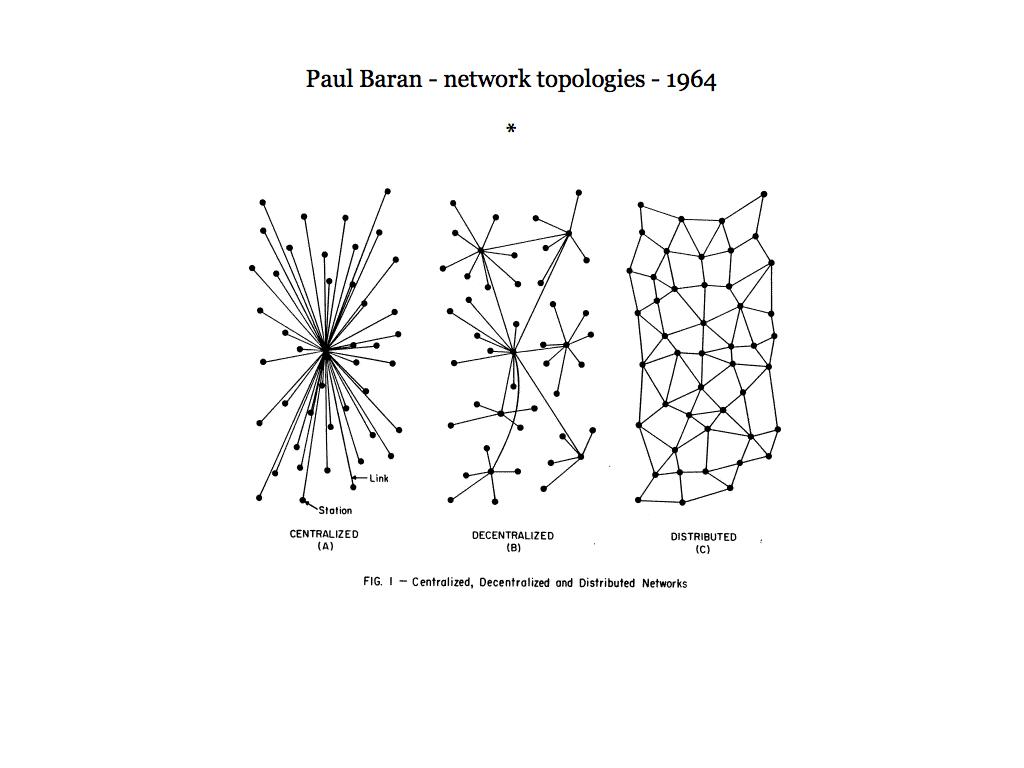
2. The Decentralized Revolution: Bitcoin and Blockchain Technology
The Dawn of Decentralization
The emergence of Bitcoin and blockchain technology has sparked a profound technological revolution that challenges the traditional centralized financial systems. This decentralized architecture distributes control and record-keeping among a network of computers, eliminating the need for third-party intermediaries. This paradigm shift has the potential to transform industries, empowering individuals to take ownership of their data and assets.
Key Features and Applications
Blockchain technology offers several key benefits, including transparency, immutability, and security. Transactions are recorded on a public ledger, providing auditable traceability. The decentralized nature of the blockchain makes it nearly impervious to tampering, protecting data integrity. These features have spurred the adoption of blockchain in various applications, from supply chain management to digital identity verification. By leveraging the power of decentralization, businesses and individuals can optimize efficiency, reduce fraud, and foster greater trust within their ecosystems.
3. Bitcoin’s Potential for Financial Inclusion
The ability of Bitcoin to increase financial inclusion is one of its main advantages. More than 1.7 billion individuals worldwide lack access to conventional banking services. Bitcoin offers a solution by enabling people to manage their finances without the need for traditional financial institutions. Individuals may establish a Bitcoin wallet with just an internet connection and a mobile phone, allowing them to send, receive, and store money.
Additionally, Bitcoin may lower the cost of remittances. Traditional money transfers frequently come with high fees, which can be a substantial financial burden for migrant workers and their families. Bitcoin transactions, on the other hand, are often less expensive, making it easier for individuals to send money across borders. By removing obstacles to financial inclusion and lowering remittance fees, Bitcoin has the potential to improve the lives of millions of people worldwide.
In conclusion, Bitcoin’s journey as a disruptive force in finance has been marked by both triumphs and challenges. Its potential to decentralize and democratize financial systems remains a transformative force. However, regulatory uncertainty and concerns over its volatility continue to be areas requiring careful consideration. As the digital currency landscape evolves, it will be integral to strike a balance between fostering innovation and protecting investors. The future of Bitcoin remains uncertain, but its impact on the financial industry will undoubtedly continue to be felt in the years to come.