

Bitcoin: A Digital Revolution or a Speculative Bubble?
In the ever-evolving landscape of finance, the emergence of Bitcoin has sparked both exhilaration and skepticism. As the first decentralized digital currency, Bitcoin has captivated the imagination of investors and economists alike, promising both disruptive innovation and unprecedented financial freedom. Yet, its meteoric rise has also raised concerns about its inherent volatility and potential for exploitation. This article delves into the complexities of Bitcoin, exploring its core principles, market dynamics, and the ongoing debate surrounding its true nature: a genuine digital revolution or a speculative bubble destined to burst
– Bitcoin: A Digital Revolution or a Speculative Bubble?
Understanding the True Nature of Bitcoin
The polarizing nature of Bitcoin’s existence is rooted in the perception of its intrinsic value. Advocates tout it as a revolutionary digital currency that challenges traditional finance, while skeptics dismiss it as a speculative bubble driven by hype. discerning the truth requires a nuanced understanding of both perspectives.
While Bitcoin’s decentralized and immutable nature offers significant advantages over centralized banking systems, its value is not derived from any tangible assets or cash flows. Instead, it relies solely on market demand and perceived future value. This inherent volatility makes it prone to sharp fluctuations and potentially speculative trading. Whether Bitcoin’s trajectory represents a legitimate economic revolution or a short-lived bubble remains to be seen.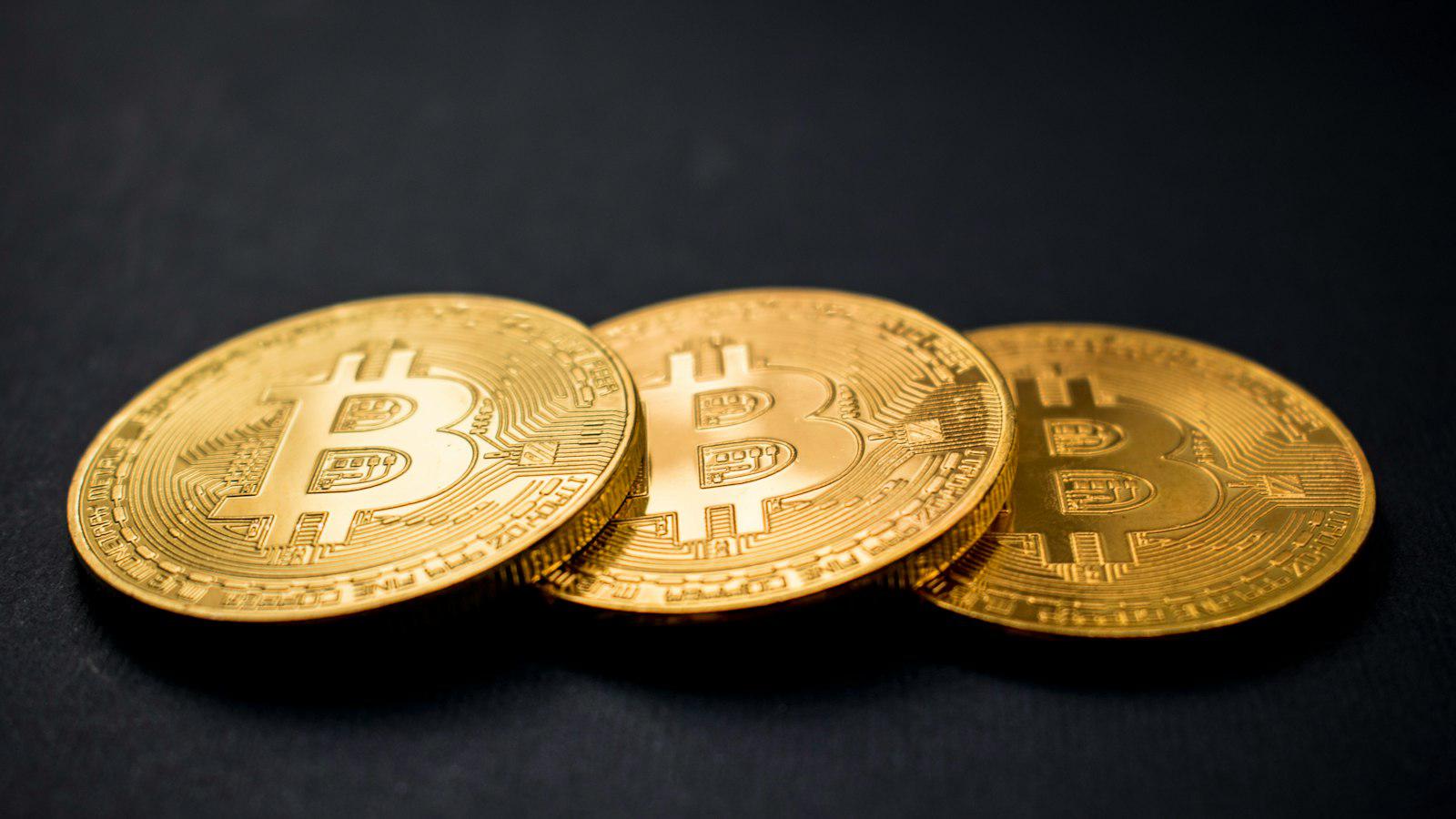
– Exploring the Legitimacy of Bitcoin as a Currency
Legitimacy as a Medium of Exchange:
Bitcoin’s viability as a currency hinges on its ability to facilitate transactions effectively. While it has gained traction as a payment option at some businesses, its acceptance remains limited. Critics argue that its volatility and high transaction fees make it impractical for everyday use. Additionally, the decentralized nature of Bitcoin can make it challenging to resolve disputes or protect consumers from fraud.
Legal Recognition and Regulation:
The legal status of Bitcoin varies worldwide. In some jurisdictions, it is recognized as a legitimate currency or asset, while in others, its status is unclear or ambiguous. The lack of consistent regulation has hindered the widespread adoption of Bitcoin, as businesses and individuals are reluctant to embrace a currency without clear legal protections. Moreover, the potential for illicit activities, such as money laundering or tax evasion, has raised concerns among regulators, leading to scrutiny and investigations.
– The Future of Bitcoin: Sustainable Innovation or a Passing Fad
As the world grapples with environmental concerns, the sustainability of Bitcoin has come under scrutiny. Critics argue that its energy-intensive mining process poses a significant threat to the planet. However, proponents counter that innovative advancements, such as the adoption of renewable energy sources and the development of more efficient mining algorithms, are paving the way for a greener Bitcoin future.
Moreover, the potential benefits of Bitcoin as a currency cannot be overlooked. Its decentralization and the absence of traditional intermediaries could revolutionize financial transactions, particularly in unbanked and underbanked regions. Additionally, Bitcoin’s growing acceptance by mainstream institutions suggests a shift in its status from a speculative asset to a legitimate investment option. The future of Bitcoin remains uncertain, but its potential for both transformative innovation and environmental sustainability should not be dismissed out of hand.
In conclusion, Bitcoin’s trajectory remains uncertain. While its decentralized nature and the underlying blockchain technology hold promise for innovation, the market’s volatility and regulatory landscape present significant challenges. As an investment, Bitcoin’s speculative qualities cannot be ignored, and investors should proceed with caution. Only time will tell whether Bitcoin will emerge as a transformative digital currency or a fleeting speculative bubble.