

Introduction
Bitcoin is a decentralized digital currency, created in 2009 by an unknown individual or group using the pseudonym Satoshi Nakamoto. Unlike traditional currencies issued by central authorities, Bitcoin operates on a distributed peer-to-peer network, enabling transactions to occur without the need for intermediaries. This innovative concept has sparked significant interest and scrutiny, making it a subject of intense research and analysis.
This article aims to provide a comprehensive examination of Bitcoin as a decentralized digital currency. Drawing upon peer-reviewed literature and empirical evidence, it will explore the technical underpinnings of Bitcoin, its macroeconomic characteristics, and the potential implications of its widespread adoption.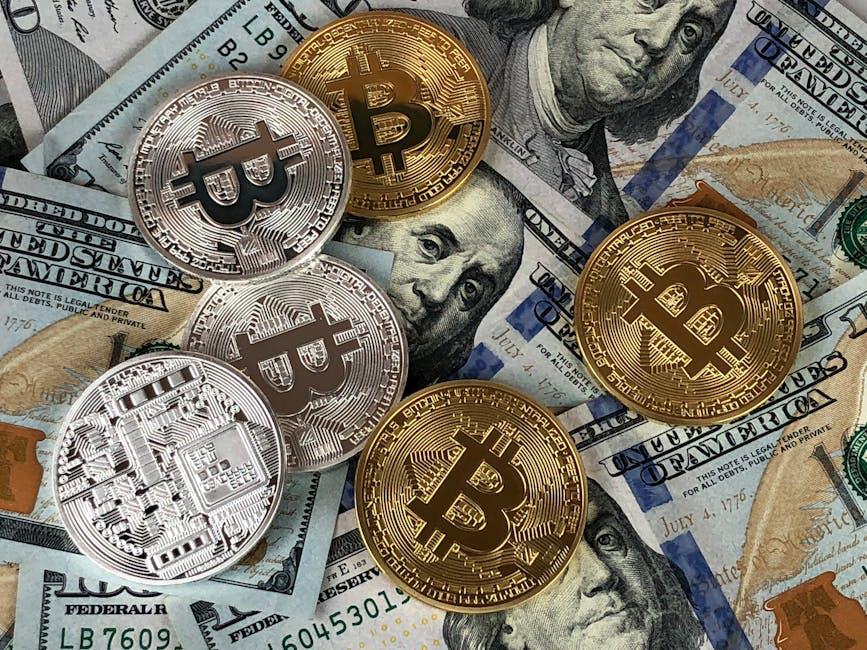
## Understanding Bitcoin’s Decentralized Architecture
One of the key distinguishing characteristics of Bitcoin is its decentralized architecture. Unlike centralized systems where a single entity or group of entities controls the network, Bitcoin’s decentralized structure means that no single entity has the sole power to alter or manipulate the system. This characteristic is achieved through the distribution of power and decision-making across a vast network of participants.
The decentralization of Bitcoin is supported by several key elements. Firstly, the Bitcoin network operates on a peer-to-peer architecture, where each participant maintains a complete copy of the blockchain. This ensures that the network is not reliant on a central database or server, which could be a point of failure or manipulation. Secondly, Bitcoin’s consensus mechanism, known as Proof-of-Work, ensures that no single entity can control the network’s decision-making process. Instead, the collective computational power of the network is used to validate and add transactions to the blockchain, ensuring both security and fairness.
## The Benefits and Challenges of Bitcoin’s Blockchain Technology
### Benefits of Blockchain Technology
Blockchain technology offers substantial benefits that have revolutionized the financial sector and beyond. Firstly, it enhances security and immutability through its decentralized nature. The absence of a central authority makes it highly resistant to fraud, tampering, and unauthorized access. Additionally, blockchain’s transparent and immutable ledger ensures that all transactions are permanently recorded and verifiable, providing a high level of trust and confidence among participants.
Challenges of Blockchain Technology
Despite its transformative potential, blockchain technology is not without its challenges. One major concern is scalability. Current blockchain systems can struggle to manage high transaction volumes, resulting in slow transaction times and increased costs. Another challenge lies in interoperability, as different blockchain protocols and platforms often operate independently, hindering the seamless flow of data and applications across networks. Furthermore, blockchain technology requires significant computational resources, which can be energy-intensive and pose environmental concerns.
## Analyzing Bitcoin’s Market Dynamics and Regulation
Bitcoin’s market dynamics are characterized by high volatility, speculative trading, and the influence of macroeconomic factors. Volatility: Bitcoin’s price is subject to large fluctuations, driven by factors such as:
- News events and regulatory announcements
- Supply and demand imbalances
- Market manipulation and speculation
Speculative Trading: A significant portion of Bitcoin trading is driven by speculative motives, with investors seeking short-term gains rather than long-term investment. This contributes to market volatility and price bubbles.
Regulation of Bitcoin is an evolving landscape. Governments and regulatory bodies are grappling with how to approach this decentralized asset. Regulatory Landscape:
- Countries have adopted varying approaches, ranging from outright bans to recognition as a legitimate asset class.
- Regulations often focus on:
- Anti-money laundering (AML) and countering the financing of terrorism (CFT)
- Consumer protection
- Market stability
In conclusion, Bitcoin presents a unique and groundbreaking financial instrument that has garnered significant attention as a decentralized digital currency. Its distributed ledger technology, innovative blockchain architecture, and anonymity features have made it an attractive solution for a range of financial transactions and applications. However, the concerns and challenges highlighted in this analysis necessitate further research, regulation, and development to ensure Bitcoin’s long-term viability and widespread adoption. As the digital currency landscape continues to evolve, Bitcoin’s contributions and influence on the future of finance remain to be seen.